Audiences in 2026 are sending a clear message to filmmakers: We want movies to look real – and for you to sweat while making them. This year has witnessed a profound shift in cinematic preferences, with moviegoers flocking to projects that prioritize tangible effects, on-location shooting, and a visible commitment to craft. The most exciting box office hits so far have been distinguished by their emphasis on analog filmmaking techniques, where directors have gone the extra mile to create original cinematic worlds that feel genuinely grounded and tactile. This trend stands in stark contrast to the reception of several high-profile franchise films, which despite built-in audiences and significant marketing muscle, have faced widespread criticism for their overtly artificial aesthetics.
The Resurgence of Tangible Storytelling: Box Office Triumphs
The financial successes of films like The Odyssey (grossing $264 million and counting), Project Hail Mary ($683 million), Backrooms ($384 million), and Obsession ($442 million) underscore this burgeoning demand for authenticity. These films not only heavily relied on practical effects but strategically communicated their old-school moviemaking efforts in their marketing campaigns. This approach appears to have resonated deeply with a public increasingly weary of perceived visual shortcuts.
Project Hail Mary, directed by Phil Lord and Christopher Miller, particularly captured public imagination. Their viral promotion highlighted the film’s minimal use of green screens and extensive integration of puppetry and bespoke physical sets. While computer-generated imagery (CGI) undoubtedly played a supporting role, the emphasis was firmly placed on the tactile, the visible effort. This marketing strategy tapped into a growing sentiment among viewers that a film’s "making-of" story is almost as compelling as the narrative itself, especially when it showcases genuine creative struggle and innovation.
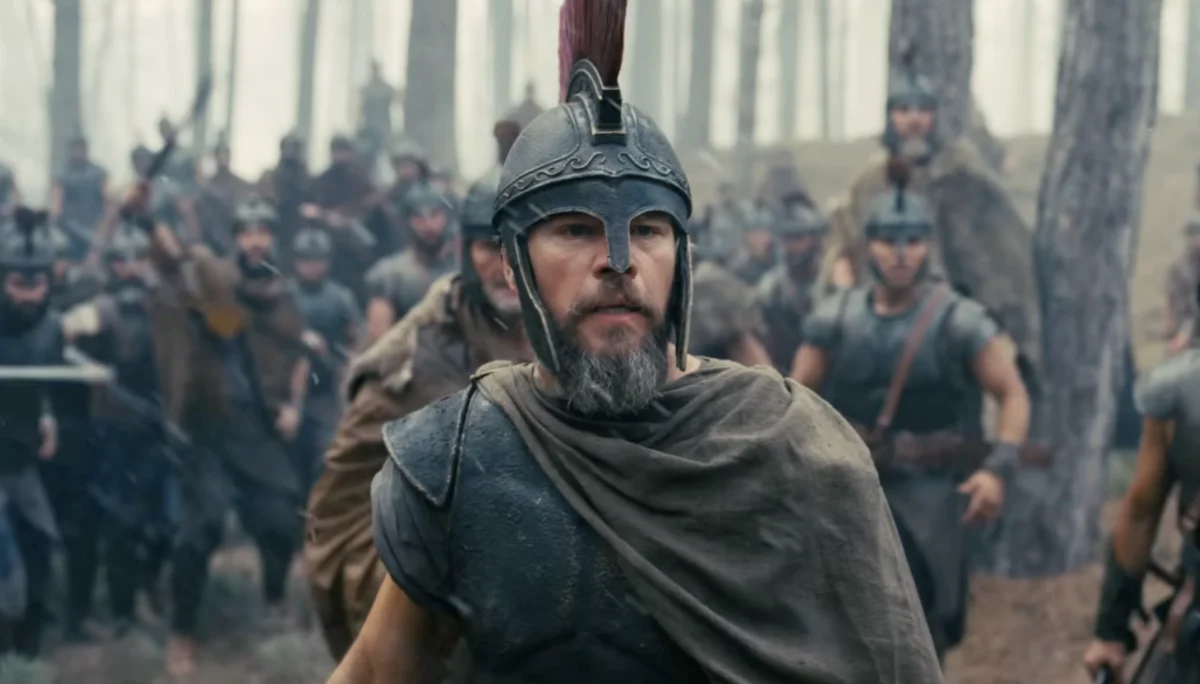
Similarly, Christopher Nolan’s The Odyssey has become a critical and commercial darling, largely due to its director’s unwavering commitment to practical filmmaking. Nolan and his cast have frequently spoken about the "herculean efforts" involved in filming at challenging, tough-to-reach real-world locations. Nolan famously refused to use CGI for set extensions, a decision that industry insiders note would have been hugely tempting for any other filmmaker aiming to make Ithaca appear more populated and sprawling. This dedication to physical reality, even at significant logistical cost, has been hailed by critics as a refreshing antidote to increasingly digital landscapes.
Even films operating on more modest budgets have embraced this philosophy. The Backrooms team, working with a lean $10 million budget, meticulously constructed extensive physical sets and prioritized practical effects wherever feasible. This commitment allowed them to craft a claustrophobic and immersive experience that felt genuinely unsettling. Likewise, Curry Barker’s Obsession, made for a mere $750,000, leveraged practical methods out of both necessity and preference, devising ingenious ways to execute scares that felt visceral and immediate, eschewing expensive and often less convincing digital alternatives. These examples demonstrate that the drive for practical effects isn’t solely a luxury for blockbusters but a viable, and indeed preferable, artistic choice across the budgetary spectrum.
Filmmaker’s Sweat Equity: A New Marketing Imperative
Christopher Nolan, reflecting on the arduous production of The Odyssey, stated, “I definitely hit the limits of my own stamina and everybody’s stamina. I mean, it’s The Odyssey, of course it should be difficult. We’re not doing the job right making a film of The Odyssey if it doesn’t seem difficult.” While Nolan’s statement specifically addresses the epic nature of his project, it inadvertently encapsulates a broader sentiment now permeating the industry: perhaps all filmmaking should possess a degree of visible difficulty if it aims to persuade audiences to leave their homes and venture to a theater.
In an era saturated with content, particularly following the proliferation of high-budget streaming series like Disney+’s Star Wars and Marvel TV shows, the perception of effort has become a critical differentiator. A franchise movie primarily shot on a volume stage, despite its technical sophistication, often feels more akin to a "streaming-channel level of effort" rather than an experience warranting an IMAX ticket. This perception gap is crucial; audiences are increasingly discerning between content designed for passive home viewing and spectacle crafted for the communal, immersive cinema experience. The narrative of filmmakers and actors "suffering for their art" is no longer just a behind-the-scenes anecdote but a powerful marketing tool.
The Pitfalls of Artificiality: Franchise Fatigue and VFX Overload
It is likely not a mere coincidence that audiences are gravitating towards practicality at a time when "AI slop" – AI-generated content lacking artistic merit or human touch – has become widely derided across various media. The trailers for several recent box office disappointments, including Masters of the Universe, Supergirl, Star Wars: The Mandalorian and Grogu, and the live-action Moana remake, were notably criticized for appearing "fakey." This visual artificiality, whether due to over-reliance on CGI or a lack of physical interaction, is increasingly becoming a deterrent for discerning viewers.
Supergirl, for instance, faced significant backlash for its unconvincing visual effects and perceived "action slop," leading to a lackluster box office performance. The live-action Moana, intended to breathe new life into a beloved animated property, struggled to justify its existence when its promotional material often looked indistinguishable from its animated predecessor, raising questions about the very purpose of a "live-action" remake if the visual execution failed to deliver tangible reality.
In the wake of Project Hail Mary’s celebrated practical effects, the team behind The Mandalorian and Grogu attempted to counter the narrative by releasing a "Hey, we did that, too!" video, showcasing the Star Wars film’s practical puppet work. However, the film’s trailers and early clips, heavily "slathered in CG glaze" according to many viewers, failed to convince, leading to a disconnect between the marketing message and the perceived on-screen reality. This highlights a critical challenge: simply having practical elements is not enough if the overall visual presentation still feels overly processed or artificial.
Even highly anticipated films are not immune. The trailer for Avengers: Doomsday, despite the franchise’s history of breaking box office records, released on July 20, was met with criticism for its perceived lack of realism. One viral Reddit comment poignantly asked, “Is anyone else concerned how ‘filmed in a cupboard’ this looks?” while an influential social media personality opined, “[The superhero genre] is supposed to be all about spectacle, and this no longer counts as spectacle.” These reactions suggest that even the most established franchises are struggling to maintain audience engagement when their visual spectacle falls short of authentic, immersive experiences. The expectation for "spectacle" has evolved; it no longer means merely "more CGI," but "more believable and tangible visuals."
The AI Factor: Authenticity in an Algorithmic Age
The current audience preference for practicality is intrinsically linked to the broader societal dialogue surrounding artificial intelligence. In an era where anyone can generate a short film or intricate imagery by simply typing prompts into an AI engine, the perceived value of human effort, tangible craft, and authentic creation has skyrocketed. The "story behind the film’s creation" is gaining unprecedented value, especially when that story conveys real "sweat equity"—such as A-list actors hiking 45 minutes daily up a challenging terrain to reach an Italian fortress for The Odyssey shoots. This human element, this visible dedication, serves as a powerful counter-narrative to the increasingly commodified and automated landscape of digital content creation. It’s a reaffirmation of the unique, irreplaceable value of human artistry and endurance.
Beyond IP: The Resurgence of Original Narratives
Another significant facet of this year’s cinematic landscape is the refreshing surge in popularity of non-franchise movies. Last year, 2025, saw a staggering 12 out of the top 13 movies at the domestic box office being titles based on existing intellectual property (IP)—franchise films, sequels, video game adaptations, and the like, with Sinners being the sole original exception.
What an incredible turn of events this year, 2026, has brought. So far, five of the top 10 movies at the domestic box office are non-franchise titles, and The Odyssey is poised to quickly join those ranks. This shift signals a potential tempering of the long-dominant franchise model, indicating that audiences are not only craving visual authenticity but also fresh, original narratives that aren’t beholden to established universes or storylines. This suggests a renewed appetite for risk-taking and creative independence in filmmaking.
Historical Echoes: Enduring Appreciation for Craft
To some extent, audiences have always harbored an appreciation for tales of Hollywood creatives enduring hardship for their art. Legendary productions like David Lean’s Lawrence of Arabia, shot almost entirely on location in the unforgiving deserts of Jordan, Morocco, and Spain, captured the imagination long after its release. Steven Spielberg’s harrowing experience making Jaws, nearly getting himself fired due to unforeseen challenges with the mechanical shark, is part of cinematic lore. James Cameron’s audacious gamble with Titanic, risking financial ruin to realize his vision on an unprecedented scale, became a powerful narrative accompanying the film’s success.
However, the key difference now is the timing of this appreciation. Historically, these production tales were celebrated after a film had achieved critical and commercial success. Today, the compelling story of a film’s creation must be told concurrently with, or even preceding, the film itself. The "making-of" narrative has become an integral part of the film’s public identity, a testament to the audience’s desire for transparency and connection to the creative process. It’s no longer enough to simply tell a compelling story; filmmakers must now also tell a compelling story about telling their story.
Industry Reactions and Future Outlook
Industry analysts are cautiously optimistic about this trend. Dr. Evelyn Reed, a leading film economist at the University of Southern California, observed, "This isn’t just a fleeting fad; it’s a recalibration of audience value. With the democratization of content creation and the ubiquitous nature of polished digital visuals, the perceived effort and unique human fingerprint in filmmaking are becoming premium commodities." Studio executives, while still heavily invested in IP, are reportedly re-evaluating their development slates, with greater emphasis being placed on projects that can credibly promise a "real" visual experience. This might lead to increased budgets for location scouting, practical effects departments, and potentially longer production schedules to accommodate the complexities of real-world shooting.
VFX artists, often at the forefront of digital innovation, are also adapting. Many are embracing a hybrid approach, where CGI serves to enhance and extend practical elements rather than replace them entirely. "Our role is evolving," states Maya Singh, a senior VFX supervisor at Industrial Light & Magic. "It’s less about creating entire worlds from scratch in a computer and more about seamlessly blending digital artistry with practical sets and performances to achieve ultimate realism. The goal is to make the audience believe what they’re seeing, not to marvel at the CGI itself." This shift suggests a more collaborative and integrated future for practical and digital effects.
Challenges and Opportunities
Declaring Hollywood trends is, inherently, a perilous business. Every movie’s success is a complex combination of factors, and just when a definitive shift seems apparent, the industry often reverts to its established norms. Is the superhero fatigue virus truly mutating into a broader "franchise fatigue"? It is still too soon to say definitively. However, the tea leaves, as best they can be read in mid-2026, seem remarkably clear.
Moviegoers are demonstrating a strong willingness to show up in droves for compelling, non-franchise stories brought to life by passionate filmmakers who can deliver an authentic, handcrafted reality. This trend presents both significant challenges and immense opportunities. For filmmakers, it demands a renewed commitment to craftsmanship, potentially more arduous production processes, and a willingness to embrace the logistical complexities of practical filmmaking. For studios, it necessitates a re-evaluation of investment strategies, a greater emphasis on original concepts, and a marketing approach that champions the human effort behind the camera. Ultimately, the message is unambiguous: in an increasingly digital world, the enduring power of the tangible, the authentic, and the visibly hard-earned continues to captivate the human imagination, particularly on the grand canvas of the cinema screen.