The enduring cultural phenomenon of literary adaptation remains a focal point of public discourse and critical analysis within the global entertainment industry. Whenever a celebrated novel, historical epic, or speculative work transitions from the printed page to the cinematic screen, it inevitably ignites widespread debate among audiences, critics, and industry professionals. This perennial tension between fidelity to source material and the creative autonomy of filmmakers underscores a complex artistic translation process that continues to shape modern media consumption.
Background Context and Historical Evolution
The practice of adapting written texts for performance dates back centuries, evolving from theatrical interpretations of classical epics to the high-budget cinematic blockbusters of the twenty-first century. Historically, literary adaptations have served as a cornerstone of the film industry, offering studios built-in audiences and pre-vetted intellectual property. According to industry analyses by box office tracking firms, adaptations consistently account for a significant majority of top-grossing films globally, frequently driving cultural conversations across digital platforms long before their theatrical releases.
In recent years, high-profile cinematic and television adaptations—ranging from divisive interpretations of classic literature like Emily Brontë’s Wuthering Heights to contemporary blockbusters such as Christopher Nolan’s cinematic reimagining of The Odyssey—have demonstrated how modern audiences engage with adapted works. Rather than viewing films as literal translations, contemporary discourse increasingly acknowledges that translation from the verbal to the visual medium requires a distinct artistic vocabulary.

Taxonomy of Adaptations: From Pulp Fiction to Literary Classics
Scholarly and critical examinations of adaptation have long debated whether certain types of literature lend themselves more readily to the screen. Traditional critical theory often posited that workmanlike genre fiction—such as the suspenseful narratives of Jaws, The Godfather, and The Exorcist—yields superior cinematic results due to tighter plotting and accessible pacing. Conversely, dense literary masterpieces were frequently deemed unfilmable or better suited for serialized television formats that allow narratives room to breathe.
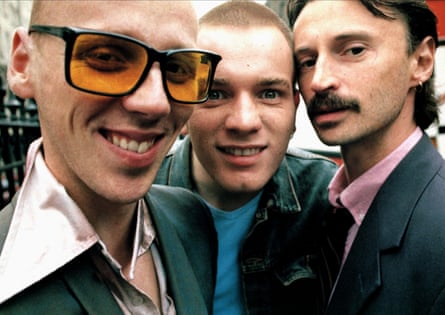
However, empirical box office data and critical consensus challenge these rigid categorizations. Landmark films such as Trainspotting, The Go-Between, and Stanley Kubrick’s adaptation of Anthony Burgess’s A Clockwork Orange demonstrate that complex literary masterpieces can successfully transition to visual mediums. Simultaneously, works possessing foundational storytelling templates—such as Jane Austen’s romance mechanics, which heavily influenced modern romantic comedies like Clueless, or Daniel Defoe’s Robinson Crusoe, which laid the structural groundwork for modern survival science fiction like The Martian—prove that adaptable narrative DNA transcends genre boundaries.
Chronology of Key Theoretical Shifts in Adaptation
The academic and professional understanding of how to evaluate adaptations has experienced several distinct evolutionary phases over the past century:
- Early Cinema Era (1900s–1950s): Characterized by a high degree of reverence toward source material, often resulting in literal, stage-bound stagings of theatrical plays and classic novels.
- The Auteur Movement (1960s–1980s): Directors began asserting complete creative dominance, treating source texts merely as raw material or springboards. Landmark departures, such as Stanley Kubrick’s The Shining (1980), redefined the boundaries of authorial unfaithfulness.
- The High-Concept Franchise Era (1990s–2010s): Driven by commercial imperatives, studios increasingly prioritized brand management and audience familiarity, occasionally leading to overly reverential, risk-averse adaptations that critics argued lacked distinct artistic vision.
- The Contemporary Reimagining Era (2020s–Present): Characterized by deconstructionist approaches, where filmmakers utilize established narratives to comment on contemporary sociopolitical issues, such as immigration, gender roles, and systemic power dynamics.
The Mechanics of Creative Unfaithfulness
Industry professionals frequently advocate for calculated divergence from source texts. Renowned filmmakers and screenwriters have long maintained that books and films operate under entirely different aesthetic principles. As observed by various industry practitioners, attempting a purely faithful reproduction often results in a cinematic product that feels bloodless or overly reliant on exposition.
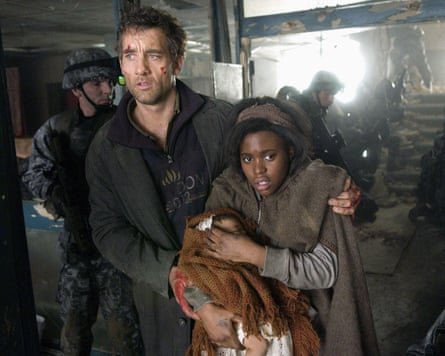
Prominent examples of creative divergence include Alfonso Cuarón’s 2006 adaptation of P.D. James’s dystopian novel Children of Men. While retaining the high-concept premise of a sterile future devoid of human births, Cuarón pivoted the narrative focus toward contemporary anxieties regarding immigration, state surveillance, and rising populism. The resulting film was widely praised by critics and embraced by the original author, illustrating how a filmmaker’s distinct voice can elevate and modernize speculative fiction.
Similarly, Sally Potter’s adaptation of Virginia Woolf’s Orlando deliberately discarded conventional historical progression to deliver a visually lavish commentary on gender identity and institutional establishment. Conversely, overly reverential adaptations—such as certain stylized cinematic versions of young adult dystopian franchises—have occasionally faced criticism for adhering too strictly to source material at the expense of cinematic momentum.
Casting Dynamics and Audience Empathy
A critical component of the adaptation process involves the selection of actors to embody beloved literary figures. Hollywood casting choices frequently reflect commercial considerations, favoring charismatic performers who can generate immediate audience empathy. While this practice occasionally deviates from textual descriptions—such as Alfred Hitchcock casting the conventionally wholesome Anthony Perkins as the antagonist in Robert Bloch’s Psycho to subvert viewer expectations—it can also establish iconic cinematic interpretations that overshadow the original text.
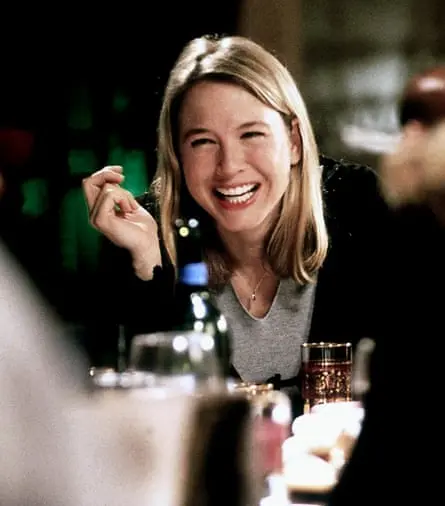
Industry analysts note that casting against literary type requires careful balancing. When missteps occur, such as ill-fitting casting choices in high-profile adaptations like The Bonfire of the Vanities, the disconnect can alienate both purist readers and general audiences. Conversely, successful reinterpretations—such as Margaret Rutherford as Miss Marple or Renée Zellweger as Bridget Jones—demonstrate that a charismatic screen presence can redefine a character for generations.
Implications and Future Outlook for the Media Landscape
As streaming platforms and traditional studios continue to mine publishing catalogs for intellectual property, the economics and artistry of adaptation remain vital to the entertainment industry. Market analyses indicate that pre-sold intellectual property significantly reduces financial risk for production financiers, ensuring a steady pipeline of literary adaptations for the foreseeable future.
However, the enduring debate over what constitutes a "good" adaptation points to a broader psychological truth about storytelling: individual readers construct personalized mental imagery when consuming written texts. Because no cinematic translation can completely replicate the internal imagination of every reader, adaptations will inherently provoke passionate discourse. Ultimately, successful adaptations function not as definitive replacements for literature, but as distinct artistic dialogues between the written word and the moving image.