The release of the 107-minute documentary simply titled Pretenders, directed and written by Joss Crowley, marks a significant critical and cultural examination of one of rock and roll’s most resilient and influential acts. Through a combination of extensive archival footage and rare interviews, the film traces the trajectory of the band from its incendiary origins in the late 1970s to its current status as a foundational pillar of modern rock. Featuring primary contributions from iconic frontwoman Chrissie Hynde and longtime drummer Martin Chambers, Crowley’s film attempts to reconcile the chaotic rise of the group with the singular, gravitational pull of its enduring leader.
Main Facts of the Production and Subject Matter
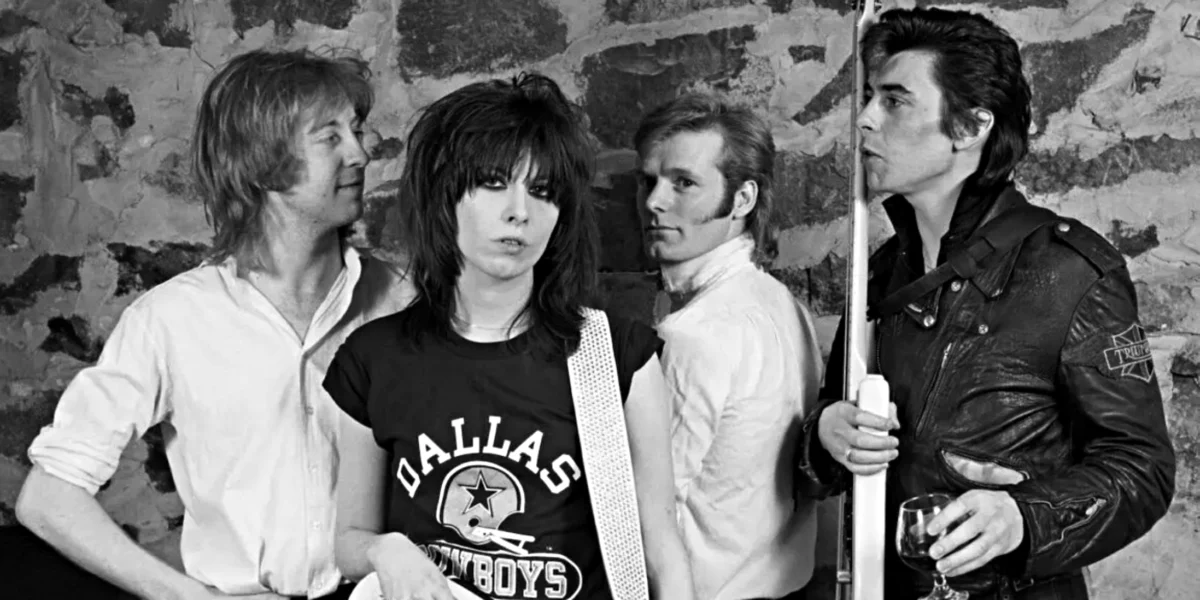
At its core, Pretenders chronicles the formation and turbulent history of a musical collective that successfully bridged the gap between late-1960s melodic British rock and the abrasive energy of the punk explosion. Formed in the spring of 1978, the original lineup consisted of Hynde alongside three musicians from Herefordshire: guitarist James Honeyman-Scott, bassist Pete Farndon, and drummer Martin Chambers.
Despite Hynde’s frequent insistence that the band operated purely as a collective democracy, the documentary highlights the undeniable reality that she remained the sole constant through decades of lineup changes, personal tragedies, and shifting musical landscapes. Crowley’s film utilizes a mix of audio-only contemporary interviews with Hynde—stemming from her well-documented reticence to appear directly on camera—alongside talking-head segments featuring former bandmates, managers, and music industry insiders. Running at 107 minutes, the documentary offers a comprehensive, albeit carefully curated, look at the triumphs and tribulations that defined the group’s global ascent.
Chronology of a Rock Institution
The historical narrative constructed by Crowley follows a distinct chronological arc, beginning with the pre-fame days of Hynde’s tenure as a music journalist for the British publication NME. Known at the time for her sharp, uncompromising prose—such as a famously scathing review of Neil Diamond’s Jonathan Livingston Seagull—Hynde transitioned from chronicling the music scene to commanding it.
In 1978, the newly minted quartet made waves by releasing a cover of The Kinks’ "Stop Your Sobbing," produced by Nick Lowe. This initial success paved the way for their self-titled debut album in 1980, which topped the UK charts and established international hits like "Brass in Pocket." However, the band’s meteoric rise was swiftly mirrored by profound tragedy. At the very peak of their early success in 1982 and 1983, both James Honeyman-Scott and Pete Farndon succumbed to drug-related deaths within days of each other, setting a precedent of resilience and reinvention that would define the band’s subsequent decades.
Supporting Data and Archival Scope
Pretenders relies heavily on its visual and auditory archives to transport viewers back to the post-punk era. The documentary showcases footage from pivotal performances, including the band’s prominent appearances at major international music festivals, notably the US Festival rather than higher-profile events like Live Aid.
However, cultural analysts and music historians reviewing the project have noted significant omissions in the documentary’s timeline. Notably absent from the narrative are deep explorations of Hynde’s high-profile personal relationships, such as her marriage to Simple Minds frontman Jim Kerr, as well as her notable artistic collaborations outside of the band, including her chart-topping cover of Sonny and Cher’s "I Got You Babe" recorded with UB40. Furthermore, the band’s 1994 commercial resurgence powered by the ballad "I’ll Stand By You" receives minimal attention, with Crowley instead choosing to heavily front-load the runtime with the formative years of the late 1970s and early 1980s.
Official Responses and Critical Reception
Industry reactions to Pretenders have been largely positive, though critics have pointed out the inherent limitations imposed by Hynde’s editorial control and physical absence from standard on-camera interviews. Music critics have praised Crowley for capturing the raw chemistry of the original lineup, particularly highlighting the tragic loss of Honeyman-Scott and Farndon and the steadfast loyalty of drummer Martin Chambers.
Conversely, some reviewers have expressed frustration regarding the documentary’s voyeuristic visual style and its reluctance to probe deeply into the more complex, darker periods of Hynde’s life and career. The decision to rely entirely on audio recordings for Hynde’s contemporary commentary has been interpreted by some as a paradox, contrasting sharply with a career built upon commanding the physical stage. Nevertheless, representatives close to the production maintain that the documentary reflects Hynde’s fiercely guarded personal boundaries, capturing her essence precisely through her own terms of engagement.
Broader Impact and Cultural Implications
The arrival of Crowley’s documentary underscores the enduring commercial and critical viability of legacy rock acts in the 21st century. The Pretenders carved out a unique space for women in rock during an era dominated by male-centric punk and hard-rock movements, establishing a template for autonomy, artistic uncompromisingness, and longevity.
By examining the group’s history, Pretenders serves as a broader commentary on the nature of fame, addiction, and creative survival within the music industry. The film illustrates how a band can fracture under the weight of external pressures and internal tragedies, yet continue to persist because of the singular vision of a founding member. For contemporary audiences, the documentary acts as both a nostalgic trip for long-time followers and an educational primer for younger generations discovering the roots of alternative rock. Despite its structural gaps and editorial omissions, Pretenders successfully cements the place of Hynde and her collaborators in the pantheon of modern musical history, ensuring that the impact of their trailblazing sound continues to resonate across future generations of artists.