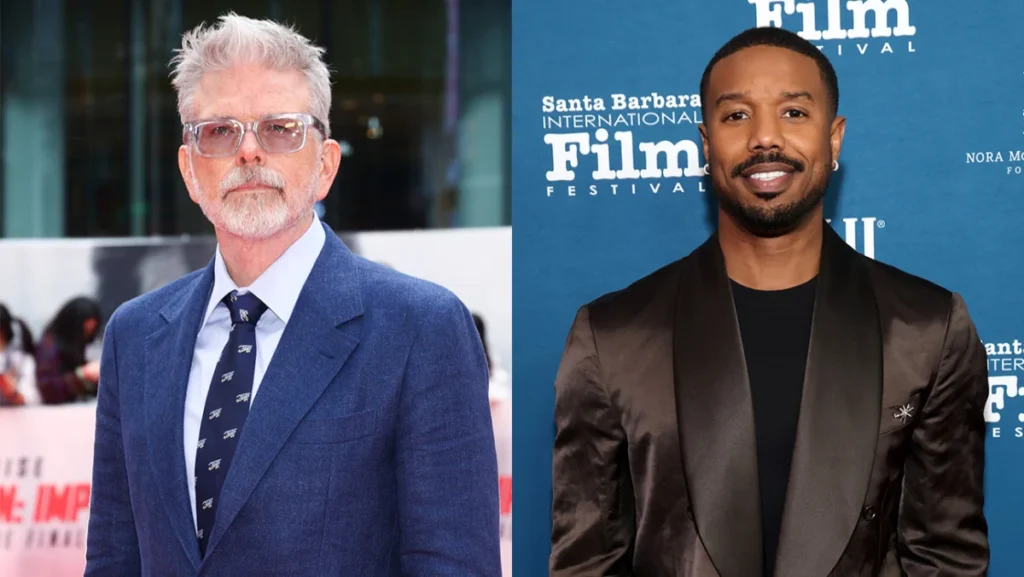
The cinematic landscape is bracing for a return to Panem as the highly anticipated prequel, The Hunger Games: Sunrise on the Reaping, celebrated its formal London premiere on Wednesday, October 28, 2026. While full critical reviews are being held under embargo until closer to the film’s wide theatrical release on November 30, Lionsgate has taken the strategic step of permitting limited social media reactions from attendees. The consensus emerging from these early screenings suggests that director Francis Lawrence has successfully navigated the complexities of adapting Suzanne Collins’ latest contribution to the dystopian canon, delivering a film that many are already positioning as a cornerstone of the six-part franchise.
The film serves as a direct sequel to the 2023 release, The Ballad of Songbirds & Snakes, and functions as a prequel to the primary trilogy that launched Jennifer Lawrence to international stardom between 2012 and 2015. With the latest installment, the narrative shifts focus to a pivotal moment in the history of the Capitol’s oppressive regime: the 50th Annual Hunger Games, famously known as the Second Quarter Quell.
A Deep Dive into the 50th Games
Set 24 years before the events of the original trilogy, the narrative centers on a 16-year-old Haymitch Abernathy, portrayed by Joseph Zada. The premise explores the unique brutality of the Second Quarter Quell, an iteration of the games that stands out in Panem history for requiring twice as many tributes as standard years. This logistical decision by the Capitol, intended to demonstrate absolute control, serves as the catalyst for the conflict.
The plot follows Haymitch as he navigates the political and physical minefields of the arena. His journey is complicated by an unlikely alliance with fellow tribute Maysilee Donner, played by Mckenna Grace. Together, they represent the burgeoning spark of resistance against the iron-fisted rule of President Coriolanus Snow, here portrayed by Ralph Fiennes. The film’s screenplay, crafted by the duo of Billy Ray and Michael Lesslie, aims to bridge the gap between the character-driven drama of the previous prequel and the high-stakes political thriller elements that defined the original films.
Early Critical Reception and Audience Sentiment
The social media reactions following the London premiere have been overwhelmingly positive, with specific praise directed at the production’s tonal shift. Several critics noted that the film feels distinct from its predecessors, moving into "darker, more politically relevant territory."
Griffin Schiller, a prominent voice in film criticism, drew comparisons between this entry and the gritty, character-focused storytelling of the Star Wars spinoffs, stating, "Sunrise on the Reaping is the Rogue One/Andor of the franchise. A sobering, yet powerful story of devastating loss and the necessary cost of rebellion."
Joseph Zada’s performance as a younger, more vulnerable Haymitch has been a focal point of the early discourse. "Joseph Zada embodies a more hopeful Haymitch that I was enamoured to see evolve," noted reviewer DawsOnScreen, echoing the sentiments of many who praised the casting as one of the strongest elements of the year. The ensemble cast, which also includes industry veterans such as Glenn Close and Jesse Plemons, has been credited with providing the gravitas necessary to ground the film’s more violent set pieces.
Historical Context and Franchise Evolution
To understand the weight of this release, one must look at the trajectory of the Hunger Games franchise. Since the release of the first film in 2012, which grossed approximately $694 million worldwide, the series has become a gold standard for YA-to-adult dystopian adaptations. The series has consistently balanced box-office dominance with cultural commentary, focusing on themes of propaganda, class struggle, and the psychological toll of state-sponsored violence.
- 2012: The Hunger Games (Dir. Gary Ross) – Established the world and the core conflict.
- 2013: The Hunger Games: Catching Fire (Dir. Francis Lawrence) – Widely considered the series peak for its refinement of the political stakes.
- 2014–2015: Mockingjay Part 1 & 2 – Concluded the original Katniss Everdeen arc.
- 2023: The Ballad of Songbirds & Snakes – Returned to the franchise to explore the origins of President Snow.
- 2026: Sunrise on the Reaping – The sixth installment, bridging the gap between the rise of the Capitol and the eventual rebellion.
The decision to focus on the 50th Games is a calculated move by Lionsgate. By choosing an event already established in the lore—the Games that Haymitch won—the studio satisfies fan curiosity while providing enough narrative space for new, original character dynamics.
Production and Technical Execution
Francis Lawrence, who has helmed every film in the franchise since Catching Fire, continues to define the visual identity of Panem. Early reactions highlight the film’s "stunning craftsmanship" and its use of production design to differentiate this specific era of the Capitol from the one seen in the later films.
The technical challenge of filming the Second Quarter Quell—which, by lore standards, is significantly more populated with tributes than other games—appears to have been met with a larger, more ambitious scale. Critics have pointed to the third act in particular, describing it as an "emotional thriller" that manages to subvert expectations despite the audience’s awareness of the franchise’s established history.
Thematic Implications: The Cost of Revolution
Beyond the action sequences, the film appears to be tackling the mechanics of propaganda—a recurring theme in Suzanne Collins’ work. Early commentary from Mike Bedard suggests that the film "continues pushing the franchise into darker, politically relevant territory," with a focus on how the Capitol weaponizes the media to maintain order.
This focus is particularly relevant in the current cultural climate, where discussions regarding media literacy and the impact of information control are prevalent. By centering the story on the "cost of revolution," the film seems to be positioning itself as a cautionary tale rather than a standard hero’s journey. The "unlikely alliance" between Haymitch and Maysilee acts as the narrative’s moral compass, contrasting with the cold, calculated political maneuvers of Ralph Fiennes’ President Snow.
Anticipation for the Wide Release
As the November 30 release date approaches, the industry is closely watching the box office projections. With the current momentum generated by the London premiere and the critical favor expressed on social media, the film is well-positioned to be the tentpole release for the end of the year.
Lionsgate’s decision to allow early reactions indicates a high degree of confidence in the final cut of the movie. In an era where spoilers and social media discourse can dictate a film’s opening weekend performance, the studio is clearly aiming to build a narrative of quality and "must-see" status before the reviews are fully aggregated on platforms like Rotten Tomatoes or Metacritic.
The inclusion of high-profile talent such as Kieran Culkin, Elle Fanning, and Maya Hawke in supporting roles further signals that this is not merely a nostalgia-driven project but a significant piece of prestige filmmaking. For fans of the books, the film offers the rare opportunity to see the origin story of one of the series’ most beloved and tragic characters realized with the full backing of a major studio budget.
Future of the Franchise
While there is no official word on a seventh installment, the success of Sunrise on the Reaping could dictate the long-term future of the Panem cinematic universe. If the film performs at the level currently suggested by early reactions, it would solidify the viability of the "prequel model" for major franchises, proving that audiences remain deeply invested in the lore of Panem, provided the stories remain grounded in the thematic depth that made the original trilogy a cultural phenomenon.
For now, the focus remains on the upcoming release. With a runtime and pacing that early viewers describe as "exhilarating," the film promises to provide a definitive chapter in the story of Panem, answering long-held questions about the nature of the 50th Games and the man that Haymitch Abernathy was before he became the mentor known to the world. As the industry awaits the final verdict from critics in late November, the prevailing mood is one of anticipation, with many signaling that Sunrise on the Reaping is not just a worthy addition to the franchise, but perhaps its most compelling chapter to date.