When the first episode of Widow’s Bay debuted on Apple TV+, it arrived with a level of modesty that stood in stark contrast to the high-gloss marketing campaigns typically associated with the tech giant’s premium streaming service. At the time of its release, industry analysts and platform subscribers were largely focused on Apple’s established slate of award-season contenders. The network had positioned the third season of the Jason Segel-led Shrinking and the high-profile adaptation of Margo’s Got Money Troubles—starring Elle Fanning, Nick Offerman, and Michelle Pfeiffer—as its primary vehicles for the Outstanding Comedy Series category. Consequently, Widow’s Bay was perceived by many as a mid-season placeholder rather than a prestige powerhouse.
The series, created by Katie Dippold, features Matthew Rhys as a beleaguered mayor attempting to revitalize a coastal town while simultaneously debunking a pervasive local belief that the island is cursed. Despite a positive critical reception upon its arrival, the show’s late-spring release schedule posed significant logistical hurdles. Because of the timing, the final three episodes of the season fell outside the eligibility window for the upcoming Emmy Awards, a factor that traditionally dampens the awards prospects of a freshman series. However, what began as a niche curiosity for television enthusiasts quickly transformed into a significant cultural phenomenon, driven by an organic groundswell of audience enthusiasm and industry-wide acclaim.
The Chronology of a Breakout Hit
The trajectory of Widow’s Bay from an overlooked coastal comedy to a mainstream juggernaut followed a non-traditional path. Initially, Apple TV+ maintained a conservative promotional strategy, utilizing a standard cadence of social media posts and digital advertisements. The shift in momentum can be traced to the mid-season point, specifically with the release of the standout episode titled "Beach Reads."
In the weeks following the premiere of "Beach Reads," the show’s visibility on social media platforms and television tracking metrics saw a precipitous rise. The episode, which masterfully balanced Dippold’s signature comedic wit with genuine elements of folk horror, served as a catalyst for a broader audience to discover the series. By the time the penultimate episodes were airing, the conversation surrounding the show had transitioned from a small group of critics to a global audience. This surge in popularity was characterized by "organic word of mouth," a phenomenon where viewers become the primary marketing engine for a program, often proving more effective than traditional studio-funded campaigns.
This growth was not merely limited to consumer metrics. The series began to receive public endorsements from highly influential figures within the creative community. Renowned filmmaker Guillermo del Toro, video game auteur Hideo Kojima, and showrunner Damon Lindelof were among those who publicly lauded the series for its unique tone and narrative ambition. Industry insiders noted a video montage circulating among voters which featured various creatives expressing their anticipation for meeting Dippold and discussing the show’s trajectory, signaling that Widow’s Bay had successfully permeated the "For Your Consideration" (FYC) bubble without the benefit of an early, aggressive campaign.
Genre Hybridity and Performance Strengths
Central to the success of Widow’s Bay is its distinct genre-blending approach. While categorized as a comedy, the series integrates horror tropes in a manner that differentiates it from other half-hour programs currently on television. This hybridity has allowed the show to appeal to multiple demographics, capturing fans of supernatural mysteries as well as those seeking character-driven humor.
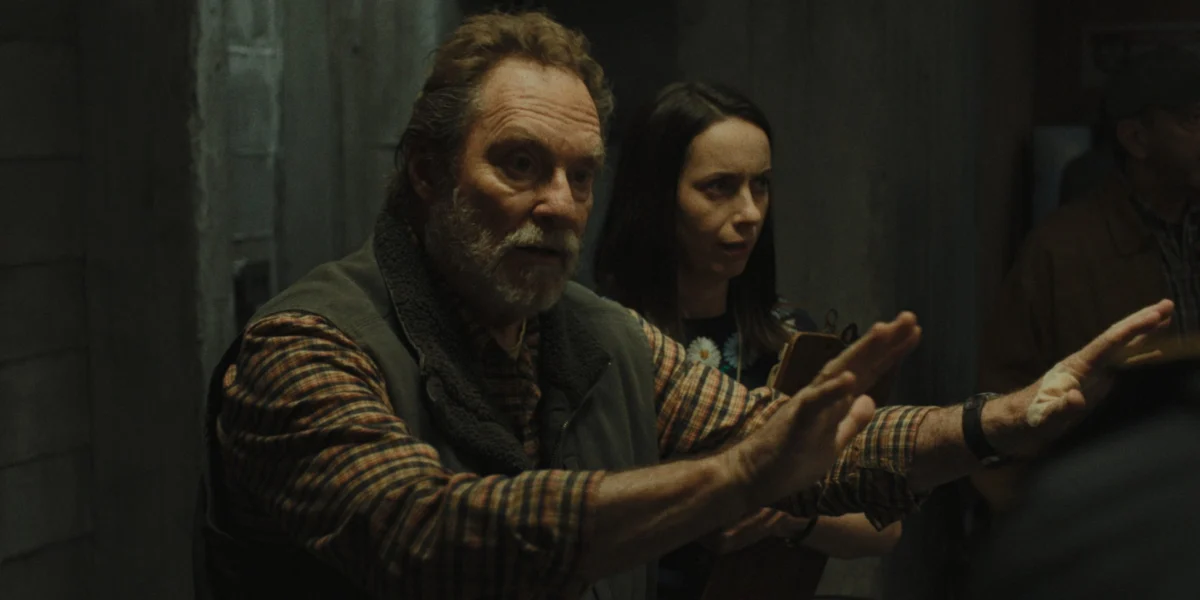
The performances of the central cast have also been cited as a primary driver of the show’s acclaim. Matthew Rhys, previously known for his dramatic weight in The Americans and Perry Mason, demonstrated a surprising range in his portrayal of the town’s pragmatic mayor. However, it is Kate O’Flynn’s portrayal of Patricia that has garnered the most intense fan interest. Patricia has emerged as the series’ breakout character, with O’Flynn’s performance being described as a vital component of the show’s comedic engine. The ensemble is rounded out by veteran character actor Stephen Root, whose presence adds a layer of reliability and gravitas to the show’s eccentric town setting.
Comparative Analysis: The Pitt and the Power of Audience Passion
The sudden rise of Widow’s Bay invites comparisons to other recent television success stories that defied initial expectations. Industry analysts have pointed to the trajectory of HBO Max’s The Pitt as a relevant precedent. Like Widow’s Bay, The Pitt did not initially appear to be a frontrunner for major awards. While HBO Max provided a standard marketing budget, the series truly caught fire due to the weekly engagement of fans who were drawn to its gritty medical horror premise.

The Pitt eventually secured the Emmy for Outstanding Drama Series, a victory attributed to the genuine affection both audiences and industry voters felt for the project. While The Pitt benefited from a more traditional press blitz led by star Noah Wyle and a narrative focused on its economic impact on the Los Angeles production industry, Widow’s Bay represents a more decentralized form of success. While The Pitt’s breakout occurred early enough to allow for a comprehensive Emmy campaign, Widow’s Bay is navigating the awards landscape as a "late-breaking" contender, relying almost entirely on the strength of its content and the enthusiasm of its viewers.
Another point of comparison is Apple TV+’s own Severance. While Severance enjoyed a massive, high-profile campaign supported by substantial marketing resources, the current buzz surrounding Widow’s Bay suggests that organic momentum can occasionally rival or even surpass the impact of a structured studio push.
The Emmy Awards Challenge and the Hacks Rivalry
As the Television Academy prepares for its next round of voting, the primary question facing Widow’s Bay is whether its late-season surge can be translated into major award wins. The lack of an early FYC campaign means the show missed out on several key roundtables and high-profile interviews that are often booked months in advance. These events are crucial for "bubble" shows—programs that are on the cusp of a nomination and need to secure the attention of voters who may not have watched every eligible series.
However, the sheer volume of organic press and social media engagement may render a traditional campaign unnecessary. If the Television Academy reflects the current sentiment of the industry, Widow’s Bay could secure several key nominations. Analysts suggest that a nomination for Kate O’Flynn would be a significant indicator of the Academy’s genuine investment in the show. If the series manages to land nominations for its core trio (Rhys, O’Flynn, and Root) along with nods for Writing and Directing, it becomes a formidable threat for the top prize: Outstanding Comedy Series.
Standing in the way of Widow’s Bay is the final season of Hacks. The HBO/Max series has been a perennial favorite of the Television Academy, amassing a significant collection of trophies over its run. Jean Smart has dominated the Outstanding Actress category, and the show has been consistently rewarded for its writing and directing. The final season of Hacks has been lauded as a masterful conclusion to the series, and the Academy often displays a sentimental bias toward beloved shows in their farewell seasons.
Yet, history shows that sentimentality does not always guarantee a win. While series like Succession and Schitt’s Creek swept their final seasons, other highly regarded programs like Veep and Better Call Saul were overlooked in their final outings in favor of newer, more "electric" contenders. The current momentum of Widow’s Bay suggests a potential "tide turn" similar to when Apple TV+’s The Studio overperformed in previous years.
Broader Implications for Streaming Strategies
The success of Widow’s Bay offers several lessons for the broader television industry. First, it reinforces the idea that "appointment television" dynamics can still exist in a streaming environment. The week-to-week release of episodes allowed the mystery of the "curse" and the development of the characters to breathe, creating a sustained conversation that a binge-release model might have truncated.
Second, the show’s rise highlights a shift in how prestige is defined. While high-budget marketing and A-list attachments remain important, the "discovery" factor—where audiences feel they have found a "hidden gem"—can create a deeper level of brand loyalty and engagement. For Apple TV+, the success of Widow’s Bay validates their strategy of investing in unique, creator-driven visions, even when those projects don’t fit the traditional mold of a "prestige" hit.
As the industry moves closer to the Emmy nominations, the narrative surrounding Widow’s Bay is no longer about whether it is a "niche" show, but about how many categories it can realistically dominate. Whether it can overcome the veteran status of Hacks or the logistical hurdles of its late release remains to be seen, but the show has undeniably altered the landscape of the current television season. The mayor of Widow’s Bay may be struggling to convince his town that they aren’t cursed, but Katie Dippold and her team have had no trouble convincing the world that they have a hit on their hands.