The modern television landscape has entered an era of profound technological and structural disruption, forcing long-running comedies to confront the very realities threatening the entertainment industry. HBO’s enduring satire The Comeback, created by Michael Patrick King and Lisa Kudrow, and HBO Max’s critically acclaimed comedy Hacks, created by Lucia Aniello, Paul W. Downs, and Jen Statsky, have emerged as parallel commentaries on the survival of veteran female entertainers in a rapidly corporatized and automated media ecosystem. Both series use their respective protagonists—Valerie Cherish and Deborah Vance—to examine the intersection of ageism, corporate censorship, and the rising tide of artificial intelligence in writers’ rooms.
Chronology of a Genre: From Reality TV Satire to AI Resistance
To understand the current thematic weight of The Comeback, one must examine its unique production history spanning two decades. When the mockumentary series debuted on HBO in 2005, it functioned as a biting critique of the burgeoning reality television genre, which industry executives favored for its low production overhead and sensationalist tabloid appeal. Lisa Kudrow starred as Valerie Cherish, a former sitcom star desperate to regain cultural relevance through a humiliating reality show documenting her return to television.
Though initially met with a modest live audience and canceled after a single season, the show attained a fervent cult following. A decade later, in 2014, HBO revived The Comeback for a second season. By then, reality television had solidified its place in mainstream culture, and the industry was standing on the precipice of the streaming wars—a period defined by an overabundance of prestige content that ultimately diluted the meaning of the term.
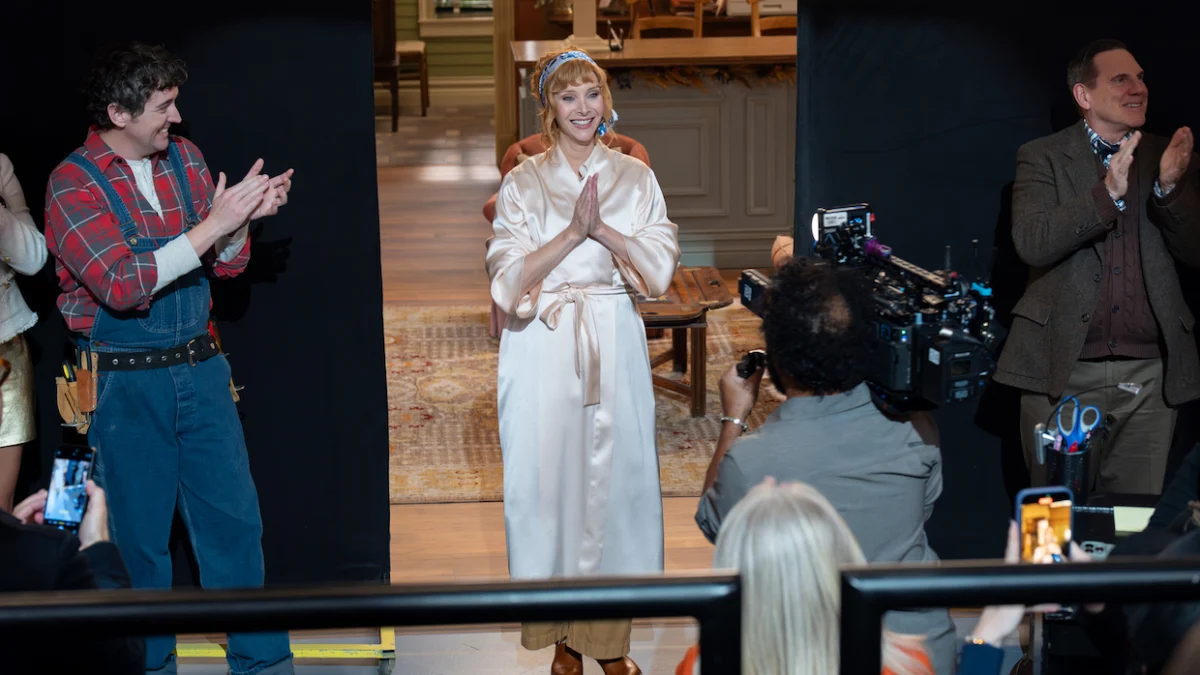
Now, following a twelve-year hiatus marked by the global COVID-19 pandemic, dual Hollywood labor strikes, and massive corporate consolidation, Kudrow has returned for a third and final season. This time, Valerie Cherish finds herself navigating the implications of artificial intelligence after securing the lead role in the first multi-camera sitcom written entirely by an automated system.
Similarly, Hacks approaches the challenges of the modern television industry through the lens of veteran standup comic Deborah Vance, played by Jean Smart, and her Gen-Z head writer Ava Daniels, played by Hannah Einbinder. Over multiple seasons, the series charts Deborah’s efforts to break historical barriers in late-night television. In its penultimate season, Deborah achieves her goal of hosting a late-night show, only to resign rather than comply with executive demands to fire Ava. The subsequent season finds Deborah battling corporate non-compete clauses and censorship—themes that gained startling real-world resonance when industry developments mirrored the show’s fictional trajectory.
The Economic and Ethical Dilemmas of Automated Production
The integration of artificial intelligence into creative workflows has moved from a speculative concept to a central flashpoint in labor negotiations across the entertainment sector. In the third season of The Comeback, Valerie Cherish occupies a precarious position as both an actor and an executive producer. Production work in Hollywood has contracted sharply, leaving an entire cast and crew dependent on a show financed by Big Tech funding networks.
The fictional sitcom, titled How’s That?! and broadcast on the NuNet platform, utilizes a proprietary writing tool named Allassist. The narrative exposes the systemic flaws of generative AI in creative arts: while the machine can rapidly generate dialogue, the output is frequently derivative, cobbled together from recognizable phrases pulled from previous television series.
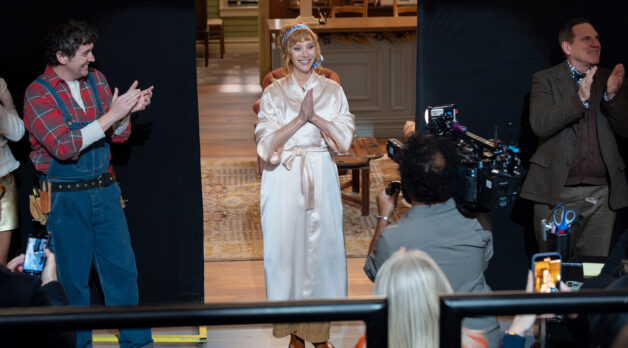
Real-world industry veterans have weighed in on similar creative methodologies. In a pivotal moment within the series, veteran television director James Burrows—appearing as himself—directs Valerie’s pilot and critiques the mechanical nature of the script. Burrows notes that true comedic surprise stems exclusively from human collaboration—writers huddled in a room debating, refining, and testing material through lived experience.
Hacks mirrors this anxiety through a distinct lens. In its narrative arc, Deborah Vance is approached by venture capitalists attempting to license her historical likeness and material for a large language model known as QuikScribbl. The storyline highlights the commercial exploitation of intellectual property, prompting fiery monologues from Ava regarding the manufactured inevitability of automated technologies in creative fields. When tech representatives suggest that Deborah utilize the algorithm to draft her standup material, the premise underscores an underlying insult: the implication that complex comedic timing and emotional resonance can be replicated by predictive text models.
Comparative Analysis of Emmy Race Dynamics and Industry Recognition
The convergence of these themes has placed both series at the forefront of the upcoming television awards season, setting up a competitive showdown between two female-fronted HBO comedies that satirize the inner workings of the entertainment business.
Hacks enters the race with an established awards pedigree. The series has secured 12 Emmy wins across its run, including the Primetime Emmy Award for Outstanding Comedy Series for its third season. Jean Smart has claimed four consecutive Primetime Emmy Awards for Outstanding Lead Actress in a Comedy Series, while Hannah Einbinder captured the supporting actress trophy in the previous cycle.
Conversely, The Comeback has historically received critical acclaim offset by limited mainstream awards recognition. Kudrow earned two lead actress nominations during the show’s initial runs, while early seasons secured nominations in writing and casting categories. Industry analysts suggest that the recent dominance of industry-focused satires—such as past comedy category sweeps—positions both programs favorably among voting bodies, even as Hacks retains a statistical edge due to its recent multi-season momentum.
Broader Implications for the Television Ecosystem
The thematic resonance shared by The Comeback and Hacks points to a broader cultural anxiety within Hollywood. Both Valerie Cherish and Deborah Vance represent an endangered archetype: the veteran female entertainer whose career stability is perpetually threatened by corporate risk aversion, ageism, and technological disruption.
By grounding their narratives in the high-stakes reality of modern production, the creators of both series offer more than mere escapism. They provide a structural critique of an industry prone to cycling through existential crises—from the rise of unscripted television and the streaming bubble to corporate restructuring and generative artificial intelligence.
Ultimately, the survival of characters like Valerie and Deborah serves as a narrative counterweight to industry collapse. Through humor, institutional memory, and creative resilience, both shows champion the irreplaceable value of human artistry at a time when the medium itself faces the challenge of reinvention.