Toy Story 5 has not only captivated global audiences, soaring to an impressive $957.3 million at the worldwide box office and positioning itself to become the highest-grossing film in the beloved franchise, but its impact extends far beyond mere ticket sales. This latest installment from Pixar, a division of The Walt Disney Company, has also become a powerful vehicle for delivering joy, comfort, and a much-needed sense of normalcy to hospitalized children across the globe, thanks to Disney’s enduring partnership with the Starlight Children’s Foundation. This dual success underscores a growing trend where major cinematic releases are leveraged not just for commercial triumph, but also for significant corporate social responsibility initiatives, creating a powerful synergy between entertainment and philanthropy.
A Box Office Titan: The Trajectory of Toy Story 5
The financial performance of Toy Story 5 is a testament to the enduring appeal of Pixar’s pioneering computer-animated franchise. With its current global tally nearing the billion-dollar mark, the film is on track to surpass previous installments and solidify its place as a cinematic juggernaut. The Toy Story franchise, which began in 1995, revolutionized animation and has consistently delivered critical acclaim alongside commercial success. The original Toy Story (1995) earned $373.6 million globally, followed by Toy Story 2 (1999) with $497.4 million, Toy Story 3 (2010) which notably crossed the billion-dollar threshold with $1.067 billion, and Toy Story 4 (2019) with $1.073 billion. Toy Story 5‘s performance in a dynamic post-pandemic cinematic landscape highlights the brand’s resilience and its ability to draw audiences back to theaters, even as streaming platforms offer increasing competition. Analysts point to several factors contributing to this robust performance: a nostalgic draw for original fans now bringing their own children, compelling storytelling that resonates across generations, and the consistent quality associated with the Pixar brand. The film’s strong critical reception, praising its emotional depth and innovative animation, further fueled word-of-mouth, translating into sustained box office momentum across key international markets. This financial success provides the crucial foundation that enables Disney to amplify its philanthropic endeavors on an unparalleled scale.
The Heart of the Mission: Disney and Starlight Children’s Foundation
While the box office numbers are impressive, the true measure of Toy Story 5‘s impact, as highlighted by Disney, lies in its ability to bring the magic of Woody, Buzz Lightyear, and their friends to children undergoing medical treatment. This initiative is not a standalone event but rather the latest, and perhaps most ambitious, chapter in a partnership that dates back to 2001. For over two decades, Disney and the Starlight Children’s Foundation have collaborated with a singular mission: to bring moments of joy, distraction, and a sense of normalcy to seriously ill children and their families in hospitals around the world. The partnership acknowledges that while medical care addresses physical ailments, the emotional and psychological well-being of young patients is equally vital for healing and resilience. It’s a recognition that laughter and imagination can be powerful medicines in themselves, offering a temporary escape from the often-daunting realities of illness and hospitalization.

A Legacy of Giving: The "Disney Movie Moments" Program
Central to this long-standing collaboration is Disney’s flagship "Disney Movie Moments" program. Launched to harness the unparalleled power of storytelling and beloved characters, this initiative transforms sterile, often intimidating hospital environments into vibrant, immersive screening events. Since its inception, the program has equipped hundreds of children’s hospitals globally with the necessary technology and licenses to host exclusive, in-hospital movie premieres and regular screenings. These aren’t just simple film viewings; they are carefully curated experiences designed to replicate the magic of a cinema visit. Hospital spaces are often redecorated with themed elements, creating a festive atmosphere where patients, siblings, and parents can temporarily forget their circumstances and immerse themselves in the fantastical worlds of Disney and Pixar. Over the years, "Disney Movie Moments" has reached millions of children, providing not just entertainment but also a vital sense of community and shared experience during times of isolation. The program’s success lies in its ability to adapt to the unique challenges of hospital settings, ensuring accessibility for children with varying medical needs, from those confined to their beds to those able to gather in communal spaces.
"Toy Story 5" Rollout: Specifics of a Global Initiative
The release of Toy Story 5 marks an unprecedented expansion of this philanthropic outreach. The film was made available to patients in over 400 children’s hospitals worldwide, encompassing more than 300 facilities across the United States alone. This global footprint required intricate logistical planning and coordination, demonstrating Disney’s profound commitment to the initiative. Beyond just screenings, the rollout included the distribution of tangible items designed to bring the film’s warmth directly to the children. Disney reported distributing over 18,000 Toy Story 5-themed toys, providing children with a tangible connection to their favorite characters and a source of comfort. Furthermore, more than 34,000 character-inspired hospital gowns were provided. These aren’t just garments; they are small but significant acts of magic, replacing generic, often clinical-looking hospital attire with vibrant, playful designs featuring Woody, Buzz, and their friends. Hospital staff have consistently reported that these themed gowns help to alleviate anxiety, foster a sense of individuality, and make the hospital environment feel less alienating for young patients. The sheer scale of this distribution highlights the operational commitment required to execute such a widespread program, involving manufacturing, shipping, and coordinated delivery to hundreds of diverse medical facilities.
The Red Carpet with a Heart: A Premiere Beyond Glamour
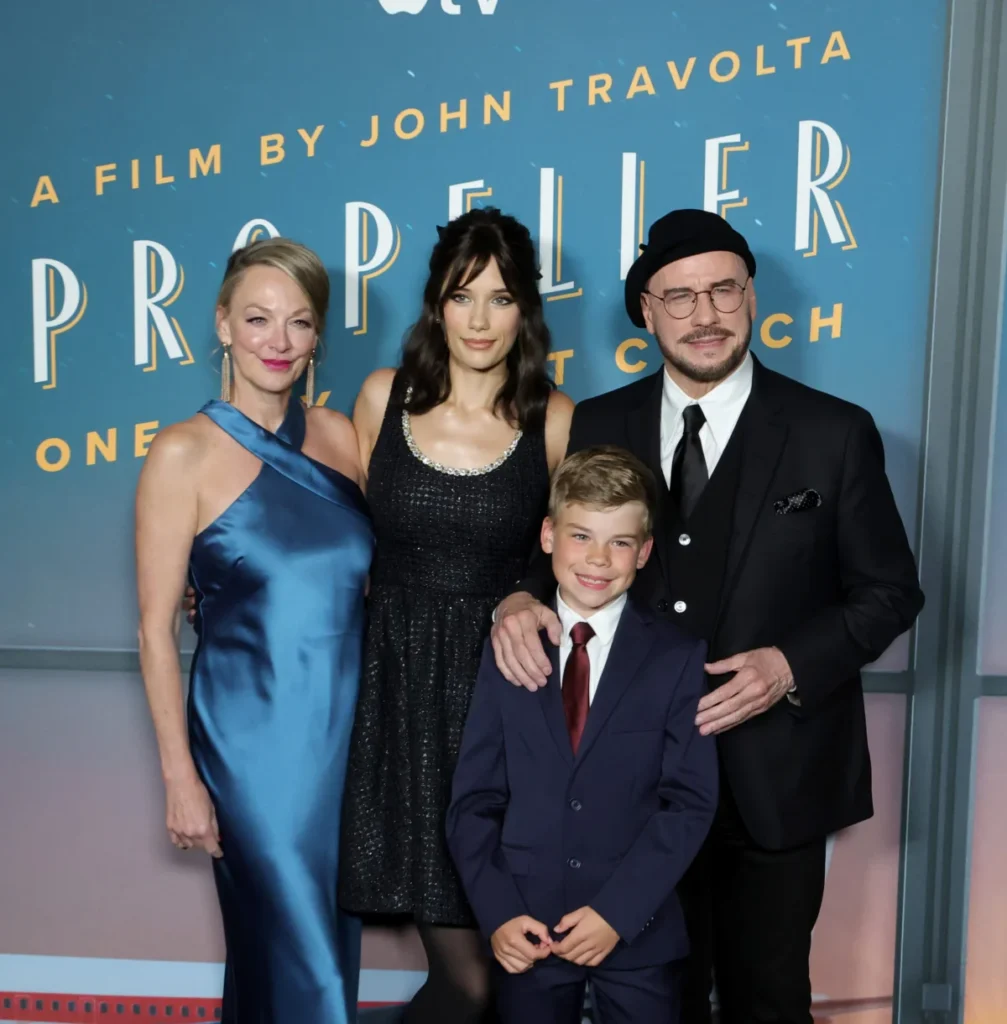
Adding a unique and deeply personal dimension to the Toy Story 5 rollout, Disney introduced a first-of-its-kind red carpet activation at the film’s star-studded Los Angeles premiere. Instead of merely posing for photographs, cast members and celebrity guests were invited to stop at a life-size interactive lily pad installation. Here, they penned heartfelt messages of encouragement and support directly addressed to children in hospitals. This innovative approach transformed a traditional promotional event into a meaningful platform for philanthropy. Prominent cast members, including Tim Allen (the voice of Buzz Lightyear), Greta Lee, Tony Hale (who voices Forky), Conan O’Brien (who voiced a new character, Smarty Pants), and Joan Cusack (the voice of Jessie), enthusiastically participated. Tony Hale encapsulated the sentiment, exclaiming, "This is amazing! Disney is sending Toy Story to all these fantastic kids in hospitals around the nation." The activation served as a powerful reminder that behind the glamour of Hollywood, there’s a collective desire to use their platform for good, creating a tangible link between the film’s creators and its most vulnerable audience members. The messages, ranging from simple words of encouragement to personal anecdotes, were a testament to the cast’s understanding of the film’s broader purpose.

Bringing the Magic to Life: Hospital Experiences
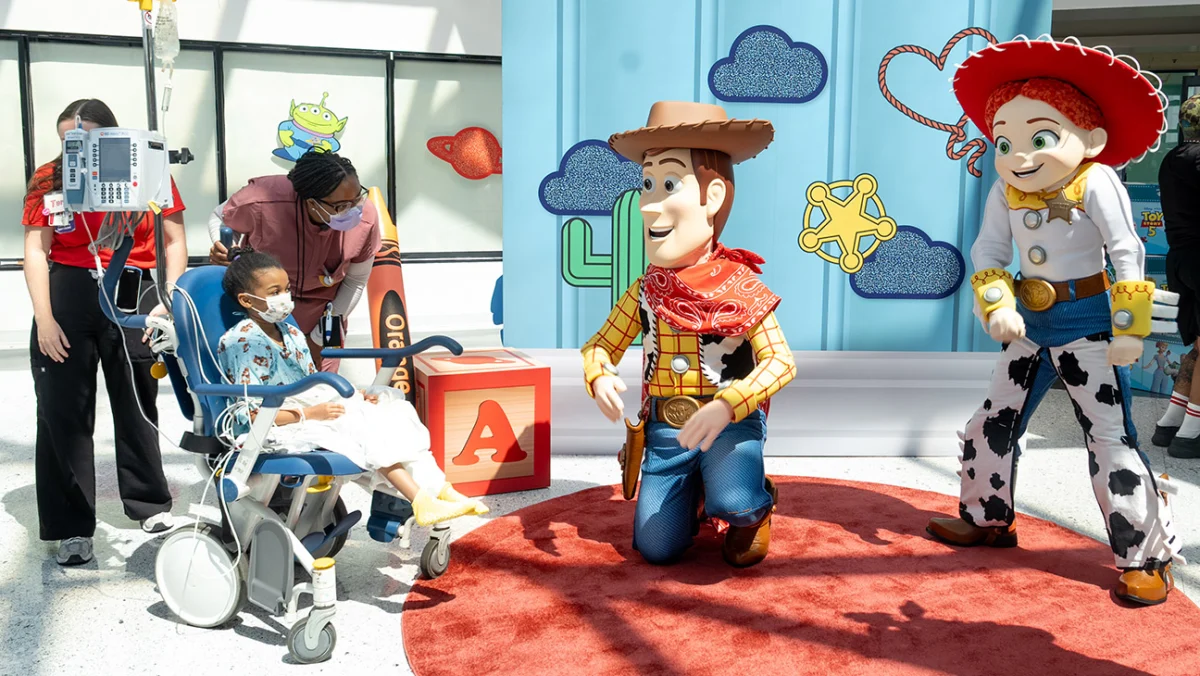
Following the premiere, these heartfelt messages were digitized and integrated into immersive Disney hospital experiences at select locations, including facilities in Washington, D.C., Oakland, and Orlando. Children at these hospitals were not only able to see the film and receive themed gifts, but they were also treated to surprise visits from live character performers portraying Woody and Jessie, bringing their beloved animated friends to life. These personal interactions provided invaluable moments of joy and distraction, allowing children to engage directly with the characters they adore. Further enriching the experience, Pixar animators led drawing sessions, teaching children how to sketch their favorite Toy Story characters. These creative workshops offered a therapeutic outlet, encouraged imagination, and provided a sense of accomplishment, all while fostering a deeper connection to the film’s artistry. The combination of screenings, tangible gifts, character visits, and interactive workshops created a multi-sensory experience designed to uplift spirits and provide a temporary escape from the challenges of illness. The smiles on the children’s faces, often captured in candid photographs shared by Disney, underscored the profound emotional impact of these initiatives.
Leadership Perspective: The Vision of Corporate Social Responsibility
Lisa Haines, Senior Vice President of Corporate Social Responsibility at Disney, articulated the ethos behind these efforts. " Toy Story has always celebrated the connections that bring us together, and the cast, crew and premiere guests carried that spirit onto the red carpet by writing personal messages for children in hospitals before the world even saw the film," Haines stated. She emphasized the profound impact of these seemingly simple gestures: "Whether it’s a beloved character by a child’s side or a note from the voice of Buzz Lightyear, those simple gestures are incredibly powerful and can create moments of comfort and joy for kids when they’re needed most." Haines’ statement highlights Disney’s strategic approach to CSR, where the company’s core assets – its characters, stories, and creative talent – are intentionally leveraged to create social good. This perspective aligns with Disney’s long-standing commitment to community engagement and philanthropy, viewing its global reach and iconic brands as tools for positive societal impact. The integration of philanthropic efforts into major film releases like Toy Story 5 demonstrates a mature CSR strategy, where social impact is considered an intrinsic part of the project’s overall success and legacy.
Broader Implications: Corporate Social Responsibility and Patient Well-being
The Toy Story 5 initiative, combining commercial success with widespread philanthropic outreach, offers significant implications for both the entertainment industry and the field of pediatric care. For Disney, it reinforces its brand identity as a company deeply committed to families and community, enhancing goodwill and strengthening its reputation globally. This kind of authentic engagement resonates deeply with audiences who increasingly expect corporations to be socially conscious. For the Starlight Children’s Foundation, the partnership provides unparalleled visibility, resources, and the ability to reach a vast network of hospitals and children who might otherwise feel overlooked. The psychological benefits for hospitalized children are well-documented: distraction from pain and procedures, a reduction in anxiety, improved mood, and a sense of normalcy that can be crucial for coping and recovery. When a child can momentarily forget their illness and simply be a child enjoying a movie or playing with a toy, it contributes significantly to their overall well-being. This model of integrating entertainment with social impact sets a benchmark for other studios and large corporations, illustrating how major commercial ventures can be designed from the outset to include meaningful philanthropic components. It underscores the enduring power of storytelling and beloved characters not just to entertain, but to heal, comfort, and inspire hope when it is needed most. The Toy Story 5 phenomenon, therefore, stands as a powerful example of how creative industries can leverage their unique assets to make a profound and lasting difference in the lives of vulnerable populations.