The autumn publishing calendar has reached its traditional peak, flooding the literary market with a dense concentration of high-profile releases that industry analysts attribute to strategic year-end positioning. This seasonal surge—frequently criticized by readers and reviewers for overwhelming the consumer marketplace—arrives concurrently with a major slate of speculative fiction (SFF) novels and high-profile cinematic releases. The juxtaposition of a congested publishing schedule and a diverse cinematic landscape forces consumers to navigate a heavily saturated media ecosystem, highlighting ongoing concerns regarding market saturation and the finite nature of consumer attention spans.
The Autumn Publishing Surge and Speculative Fiction Concentration
Publishing houses traditionally schedule a disproportionate share of their heavy-hitting titles—colloquially referred to as "big books"—during the final quarter of the year to capture holiday sales and position titles for year-end literary awards. However, the sheer volume of releases during the second week of October has surpassed historical averages, creating what industry observers describe as an unprecedented bottleneck in the speculative fiction sector.
Among the wave of high-profile titles hitting shelves this week are Elizabeth Hand’s latest psychological and speculative work, Unspeakable Things; Becky Chambers’ anticipated novel, As You Wake, Break the Shell; and M. John Harrison’s The End of Everything, which enters the market buoyed by its Booker Prize shortlisting. Additional notable releases include Lynn D. Jung’s Mothsblood and Claire North’s time-bending narrative As We Fall Through Time.
Literary economists and cultural critics note that this clustering effect forces independent bookstores, reviewers, and readers into a reactive posture. With limited shelf space and finite reading hours, the market concentration risks cannibalizing sales among mid-list and even premier titles, as consumers are compelled to be increasingly selective and tactical in their purchasing decisions.
Cinematic Releases and Cultural Parallels
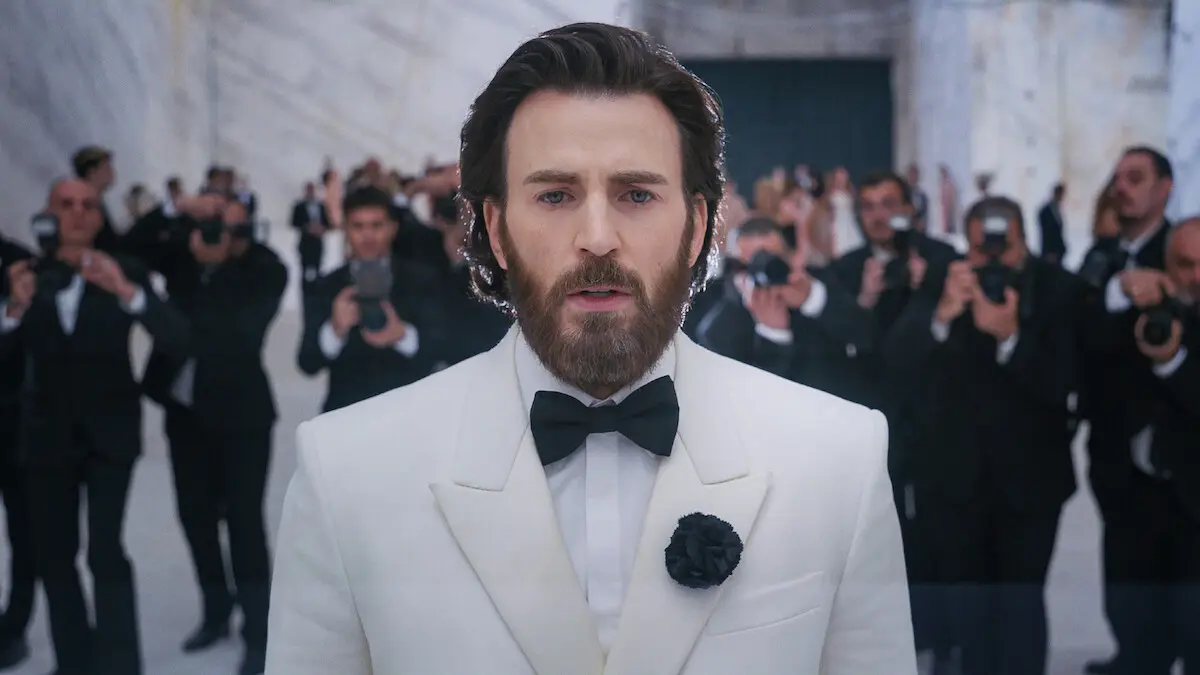
As the literary market contends with this autumnal avalanche, the entertainment industry is similarly deploying high-concept projects that draw thematic parallels to speculative literature. Netflix’s upcoming feature film Sacrifice, directed by Romain Gavras and starring Anya Taylor-Joy, Chris Evans, and Vincent Cassel, has drawn considerable pre-release scrutiny. Featuring a premise in which a high-end charity gala is infiltrated by radical groups pursuing a mystical prophecy—ultimately featuring sequences where Taylor-Joy attempts to cast Evans into a volcano—the film has been analyzed for its tonal friction. Despite its wild-ass premise, initial trailers have elicited mixed reactions from critics who question whether the execution leans too heavily into conventional cinematic norms rather than embracing its inherent absurdity.
This cinematic timing mirrors the literary discourse surrounding genre conventions. Recent critical commentary, such as Dan Hartland’s analysis in his Snap Criticism column, examines the friction within contemporary speculative writing. Hartland juxtaposes Ada Palmer and Jo Walton’s nonfiction collection Trace Elements against Munir Hachemi’s translated novel The Mulai (translated by Julia Sanches). Such critical works demonstrate how contemporary authors and essayists continue to interrogate the structural boundaries of genre fiction, reflecting a broader cultural appetite for complex, multifaceted narratives that resist easy categorization.
Chronology of Media Releases and Strategic Timing
The concurrent deployment of major books and films is not accidental; rather, it represents a synchronized strategy across the entertainment conglomerates that control both publishing houses and film studios.
- Early September: Fall publishing campaigns initiate with lead-in titles designed to build early market momentum.
- Late September to Early October: The rollout of mid-tier speculative fiction builds anticipation, culminating in major prize announcements, including the Booker Prize shortlist inclusions.
- Second Week of October: The publishing apex occurs, marked by the simultaneous drop of major SFF hardcovers, alongside targeted marketing campaigns for high-concept streaming and theatrical films.
- Mid-to-Late October: The release of complementary cinematic projects, such as Alex Huston Fischer and Eleanor Wilson’s previous apocalyptic comedy Save Yourselves! (streaming on Netflix) and the forthcoming theatrical release of Wildwood—adapted from the middle-grade novel by The Decemberists frontman Colin Meloy—solidifies a cross-media cultural moment.
This tight scheduling window is engineered to maximize media impressions, leveraging cross-promotion between authors, musicians, and filmmakers. For instance, the involvement of Colin Meloy in creating the end-credits music for Wildwood exemplifies the multi-channel approach modern franchises employ to capture overlapping demographics of readers and filmgoers.
Broader Economic and Cultural Implications
The intersection of a hyper-concentrated publishing market and high-concept cinematic scheduling carries significant implications for the creative economy. For publishers, the race for fourth-quarter dominance is a high-stakes gamble. While front-list bestsellers generate immediate revenue, the crowding-out effect can permanently stunt the visibility of debut authors and translated works that lack massive marketing budgets.
Conversely, the consumer response indicates a growing fatigue with manufactured media blockbusters. As cultural critics and readers advocate for tactical consumption—balancing demanding reading schedules with critical engagement—publishers and studios may ultimately be forced to reassess release models. Spacing out major titles across a broader calendar year could alleviate market fatigue, allowing both literature and cinema to achieve sustained engagement rather than competing in a brief, highly volatile window of peak attention.
Ultimately, the confluence of these events highlights a mature media consumer base that must increasingly treat leisure as a logistical exercise. Whether analyzing the structural arguments of contemporary genre criticism, tracking the chaotic narratives of speculative fiction blockbusters, or evaluating the tonal choices of high-concept cinema, audiences navigate a landscape defined by abundance, necessitating deliberate curation and critical scrutiny.