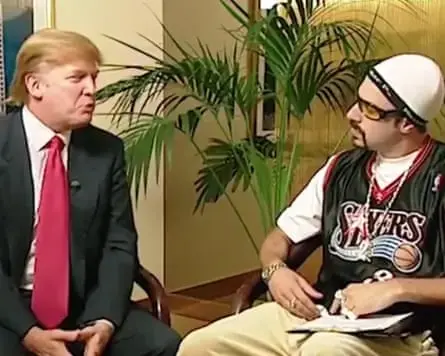
The landscape of British satirical comedy is bracing for a polarizing intervention as Sacha Baron Cohen prepares to reintroduce his most infamous creation. Nearly a quarter of a century after the release of the breakout feature film Ali G Indahouse, the fictional West Staines suburban gangsta is returning to the silver screen in a new mockumentary feature titled Ali G: Who Iz I? This comeback has ignited fierce cultural debates regarding the boundaries of satire, the evolution of British humour, and whether a character steeped in late-1990s and early-2000s subcultural pastiche can find an appropriate context in the social climate of the mid-2020s.
Background Context and Historical Significance
Created by Sacha Baron Cohen in the mid-1990s, Ali G originally emerged as a segment host on Channel 4’s The 11 O’Clock Show before anchoring his own award-winning Da Ali G Show. The character—a white, middle-class suburbanite from Staines who adopted a caricature of Jamaican patois, hip-hop styling, and working-class bravado—functioned as a Trojan horse for political satire. By posing aggressively naive, socially inappropriate, and seemingly ignorant questions to high-ranking politicians, diplomats, and international experts, Baron Cohen exposed the pomposity and compliance of the British and international establishment.

The cultural footprint of the character reached its zenith in 2002 with Ali G Indahouse, a commercial success that grossed over $25 million worldwide. Following that release, Baron Cohen largely retired the persona to focus on other high-profile satirical creations, including Borat Sagdiyev, Bruno Gehard, and Admiral General Aladeen. Over the subsequent two decades, however, the cultural consensus surrounding these caricatures shifted dramatically. While initial reception celebrated the deflation of institutional power, contemporary media criticism has increasingly scrutinized the use of racial, ethnic, and subcultural signifiers by performers from dominant demographic groups, raising questions about cultural appropriation and the ethics of modern satirical performance.
Chronology of the Revival and Public Reaction
The announcement of Ali G: Who Iz I? has mapped a swift trajectory from secretive production to public scrutiny. Initial industry whispers regarding a revival materialized in mid-2026, accompanied by the release of promotional trailers that immediately polarized public and critical opinion.
The ensuing discourse exposed deep ideological divisions within British cultural commentary. Writing in national media outlets, critics such as Arwa Mahdawi expressed apprehension over the return of comedic tropes perceived as outdated and racially insensitive. Conversely, defenders of the project argued that the satirical sharpness of Baron Cohen’s work remains a necessary antidote to contemporary political orthodoxies. High-profile figures, including conservative political commentator Jacob Rees-Mogg, publicly endorsed the trailer, characterizing the satire as a vital mechanism for puncturing national self-importance.

This friction underscores a broader societal tension: while digital media has democratized prank culture and vox-pop interviewing—effectively mainstreaming techniques pioneered by Baron Cohen—institutional gatekeepers remain divided on whether legacy satirical properties should be permitted to iterate without modern recalibration.
Industry Implications and Cultural Analysis
The release of Ali G: Who Iz I?, scheduled for theatrical distribution in October 2026, arrives at a critical juncture for both cinematic comedy and social discourse. The contemporary media ecosystem is saturated with independent creators, internet pranksters, and podcasters who routinely challenge the boundaries of public interaction. In this environment, the return of a foundational mockumentary character forces an assessment of how the medium has evolved.
Media analysts note that the financial viability of theatrical comedy depends heavily on cross-generational appeal. The new film must navigate a demographic divide: older audiences nostalgic for the early-2000s golden era of British alternative comedy, versus younger viewers whose media literacy is shaped by digital-first accountability standards and heightened awareness of representation.
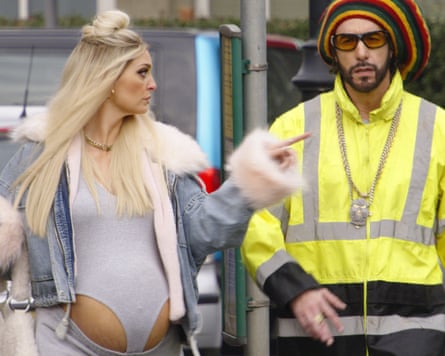
Furthermore, the character’s fictitious homecoming to Staines-upon-Thames—a town officially renamed in 2012 partly to mitigate reputational association with the fictional rapper—symbolizes the complex relationship between regional identity and media output. Whether local civic entities and modern audiences will embrace the satire as a benign cultural artifact or reject it as an anachronism remains a central question as the film’s premiere approaches.