For years, the Marvel Cinematic Universe (MCU) operated under a self-imposed silence regarding the term "mutant." This narrative caution stemmed from a contractual reality: the rights to the X-Men and their unique origin story – humanity’s evolutionary offshoot – were held by a rival studio, 20th Century Fox. This left Marvel Studios to explore a myriad of other power acquisition pathways for its heroes, from cosmic radiation and scientific accidents to alien artifacts and genetically engineered serums. While established characters like Scarlet Witch and Quicksilver, whose comic book origins were intrinsically linked to mutation, were sometimes retconned or their origins subtly altered within the MCU to align with these alternative sources, the very concept of inherent genetic mutation remained largely sidelined, as if a narrative door deliberately kept shut.
This careful circumvention of the "mutant" concept appears to be undergoing a significant shift, as evidenced by the recent, record-breaking debut teaser trailer for Spider-Man: Brand New Day. The trailer’s immediate release, which has already shattered viewing records, signals a potential paradigm shift within the MCU’s long-established storytelling framework. The impending arrival of the X-Men into the MCU has been a topic of considerable speculation and anticipation for years, particularly following the acquisition of 20th Century Fox by Disney. While characters like Deadpool and Wolverine have already made their cinematic introductions within this new integrated universe, and other mutant-affiliated characters have appeared in post-credit scenes or brief multiversal cameos, Spider-Man: Brand New Day seems poised to directly engage with the very idea of mutation in a way that directly impacts a foundational MCU hero.
A Web of Biological Transformation
The trailer for Spider-Man: Brand New Day presents a world where Peter Parker (Tom Holland) is a stranger to those closest to him. The memory-wipe spell cast by Doctor Strange at the conclusion of Spider-Man: No Way Home has left his friends, MJ and Ned, with no recollection of his face or his heroic alter ego. However, this profound personal crisis is overshadowed by a far more alarming physical transformation. The trailer showcases Peter exhibiting increasingly arachnid-like characteristics, most notably the appearance of organic webbing. While this particular ability was also a feature of Tobey Maguire’s iteration of Spider-Man, the visual cues in the new trailer suggest a far more profound and unsettling biological alteration. The most striking and disturbing element is the visual depiction of Peter’s eyes taking on a distinctly red and black, insectoid hue, evoking a sense of body horror reminiscent of filmmaker David Cronenberg’s explorations of biological transformation and the unsettling implications of DNA manipulation. This visual language strongly suggests a narrative that delves into the darker, more visceral aspects of genetic alteration, a departure from the more conventional power acquisition narratives previously favored by the MCU.

Rumors of the X-Gene and a New Generation
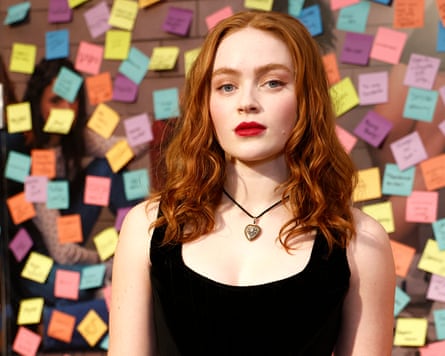
Adding further fuel to the burgeoning discussion around mutation within the MCU are widespread rumors suggesting the casting of Sadie Sink, known for her role in Stranger Things, as a young Jean Grey. The potential inclusion of a foundational X-Men character like Jean Grey, especially in a Spider-Man film, could serve as a significant bridge, introducing the concept of mutants to a broader audience before a dedicated X-Men franchise fully materializes. The trailer itself subtly reinforces this thematic exploration. A pivotal moment features Bruce Banner (Mark Ruffalo), who has recently been depicted in a de-Hulked state, issuing a stark warning to Parker, stating that mutating DNA could be "incredibly dangerous." This dialogue, coupled with the visual cues of Peter’s transformation, raises critical questions: Is Peter Parker on the cusp of becoming an X-Man? Is this transformation a consequence of the alien symbiote potentially left behind by Venom/Eddie Brock, now being framed as a "mutation"? Or is this a deliberate strategic move by Marvel Studios to blur the lines and redefine the very meaning of "mutant" before the official introduction of the X-Men, creating a sense of narrative fluidity?
A Strategic Re-evaluation of "Mutant"
The timing of these thematic explorations is significant. Following the immense success of Spider-Man: No Way Home, which expertly navigated the complexities of the multiverse and brought together multiple cinematic iterations of Spider-Man, there’s a clear impetus for Marvel Studios to introduce new, high-stakes narrative avenues. The acquisition of the X-Men intellectual property from Fox presented an unparalleled opportunity to integrate one of Marvel’s most iconic and beloved groups into the MCU. However, the approach to this integration has been a subject of intense fan discussion. The current trajectory, as suggested by the Spider-Man: Brand New Day trailer, appears to be a gradual, almost experimental introduction of the concept of mutation.
The narrative around Peter Parker’s transformation could be seen as a deliberate test run for the MCU’s audience, allowing them to acclimate to the idea of inherent genetic alteration as a source of superpowers. This approach is a far cry from the abrupt introductions of past phases. Instead, it seems to be a slow burn, carefully planting seeds of the "mutant" concept within established storylines. The potential inclusion of Sadie Sink as Jean Grey, if true, would further solidify this strategy, introducing a character whose powers are intrinsically linked to genetic mutation, thus normalizing the concept within the MCU’s evolving landscape.
Chronology of a Narrative Shift
The MCU’s journey towards embracing mutation can be traced through several key phases:
- Phase 1-3 (The Foundation Era): During this period, the "mutant" concept was largely absent due to Fox’s ownership of the X-Men. Superpowers were attributed to cosmic events, scientific experiments, or inherent abilities that were not explicitly linked to genetic mutation. Characters like Scarlet Witch and Quicksilver, while mutants in the comics, were recontextualized, their powers originating from the Mind Stone and HYDRA’s experimentation in Avengers: Age of Ultron.
- Post-Disney Acquisition Era (Phase 4 Onwards): Following Disney’s acquisition of 20th Century Fox in 2019, the door to integrating the X-Men into the MCU was officially opened. This phase has seen subtle nods and overt preparations:
- Ms. Marvel (2022): Kamala Khan’s powers were initially presented as originating from a mysterious bracelet with hints of Inhuman heritage, but later episodes and the character’s comic book origins as a mutant have fueled speculation about a potential reclassification.
- Doctor Strange in the Multiverse of Madness (2022): Patrick Stewart’s Professor X made a multiversal cameo, confirming the existence of mutants in other realities and setting the stage for their eventual integration.
- The Falcon and The Winter Soldier (2021): John Walker’s enhanced strength was attributed to a resurgence of the Super Soldier Serum, but the character’s comic book counterpart, U.S. Agent, has had ties to mutant storylines, creating further ambiguity.
- Deadpool & Wolverine (2024): This film marks the official introduction of Deadpool, a prominent mutant character, into the MCU, directly bridging the gap between Fox’s X-Men universe and the MCU.
- Spider-Man: Brand New Day (Upcoming): The recent trailer’s focus on Peter Parker’s biological transformation and the potential inclusion of Jean Grey signals a more direct engagement with the core concept of mutation.
Analysis of Implications: Redefining "Mutant"
The current approach by Marvel Studios to introduce the concept of mutation, particularly through the lens of a beloved character like Spider-Man, carries significant implications for the future of the MCU.
- Broadening the Definition: By depicting Peter Parker’s organic web-shooters and eye transformations as potentially "mutating DNA," Marvel risks diluting the unique definition of "mutant" as established in the comics. In the source material, mutants are a distinct evolutionary branch of humanity, often facing prejudice and fear due to their inherent differences. If the term "mutant" becomes synonymous with any character undergoing a significant biological change, the distinctiveness of the X-Men as a feared and marginalized minority could be undermined.
- Narrative Flexibility: Conversely, this approach offers Marvel Studios immense narrative flexibility. It allows them to organically introduce mutant characters and storylines without necessarily dedicating entire films or series to the origins of mutation itself. The concept can become a recurring theme, woven into various character arcs and plotlines.
- Setting the Stage for the X-Men: This gradual introduction serves as a sophisticated prelude to the full-scale integration of the X-Men. By normalizing the idea of mutation through characters like Spider-Man, Marvel can pave the way for Professor X and his students to enter the MCU with a more receptive audience, reducing the need for extensive exposition.
- Thematic Resonance: The theme of transformation and embracing one’s inherent nature is central to both Spider-Man and the X-Men. Peter Parker’s struggle with his powers and his identity, amplified by his physical changes, mirrors the internal and external conflicts faced by many mutants. This thematic overlap can create powerful narrative connections.
Official Statements and Fan Reactions
While official statements from Marvel Studios president Kevin Feige regarding the specific implications of the Spider-Man: Brand New Day trailer remain limited, the studio has consistently emphasized its commitment to integrating beloved Marvel characters into the MCU. The success of Deadpool & Wolverine in bridging the gap between the Fox and Marvel universes has clearly emboldened this strategy.
Fan reactions to the trailer have been a mix of excitement and apprehension. Many are thrilled by the prospect of seeing mutants integrated into the MCU, particularly the potential inclusion of Jean Grey and the deepening of Spider-Man’s mythos. However, concerns have been raised about the potential dilution of the "mutant" identity, with many fans advocating for a faithful representation of the X-Men’s unique struggle and social commentary. Online forums and social media platforms are abuzz with theories, analyses, and debates, reflecting the deep investment of the fanbase in the future of these iconic characters.
Conclusion: A Mutagenic Future on the Horizon
The Spider-Man: Brand New Day trailer is more than just a glimpse into the next chapter of Peter Parker’s story; it appears to be a carefully orchestrated signal flare, indicating a fundamental shift in the MCU’s long-term narrative strategy. The once-frowned-upon term "mutant" is no longer confined to the periphery. Instead, it is being brought to the forefront, examined through the lens of a beloved superhero’s personal transformation. Whether this heralds a complete reimagining of mutant origins or a subtle, yet profound, integration of the X-Men into the established MCU tapestry remains to be seen. However, one thing is certain: the days of narrative quarantine are over, and the MCU is poised to embrace a future where mutation, in all its complex and potentially dangerous forms, plays a central role. The delicate balance between introducing new concepts and respecting established lore will be crucial as Marvel Studios navigates this exciting, yet challenging, new frontier. The coming months and years will undoubtedly reveal the full scope of this strategic reorientation, potentially reshaping the MCU as we know it.