The intersection of genre filmmaking and socio-political commentary has long provided a fertile ground for exploring marginalized experiences, and Adrian Chiarella’s feature-length directorial debut, Leviticus, stands as a prominent addition to this cinematic tradition. Scheduled for release in 2026, the film utilizes the framework of psychological and supernatural horror to examine the psychological toll of institutional homophobia, religious conversion therapy, and the modern resurgence of anti-LGBTQ+ bigotry. Anchored by performances from Joe Bird, Stacey Clausen, Jeremy Blewitt, and featuring Mia Wasikowska, Leviticus shifts away from sanitized portrayals of queer youth struggles to confront institutionalized prejudice through visceral, genre-driven storytelling.
Main Facts and Narrative Premise
Leviticus is set within a geographically isolated and spiritually oppressive industrial town in the Australian outback. The narrative initiates with an archetypal horror sequence: a local lesbian lifeguard is seduced in a poolside shower by an entity that assumes the likeness of her most desired partner, culminating in her violent murder.
This supernatural predator is revealed to be the physical manifestation of a curse originating from a local religious institution practicing conversion therapy. The core premise operates on a literalization of a common dogmatic refrain directed at queer youth: that their desires are inherently fatal.
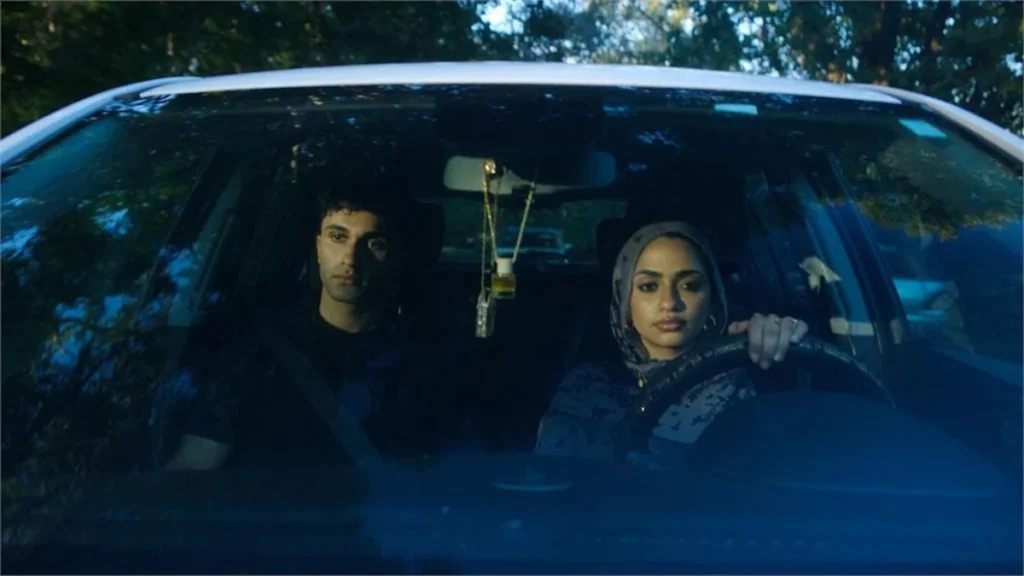
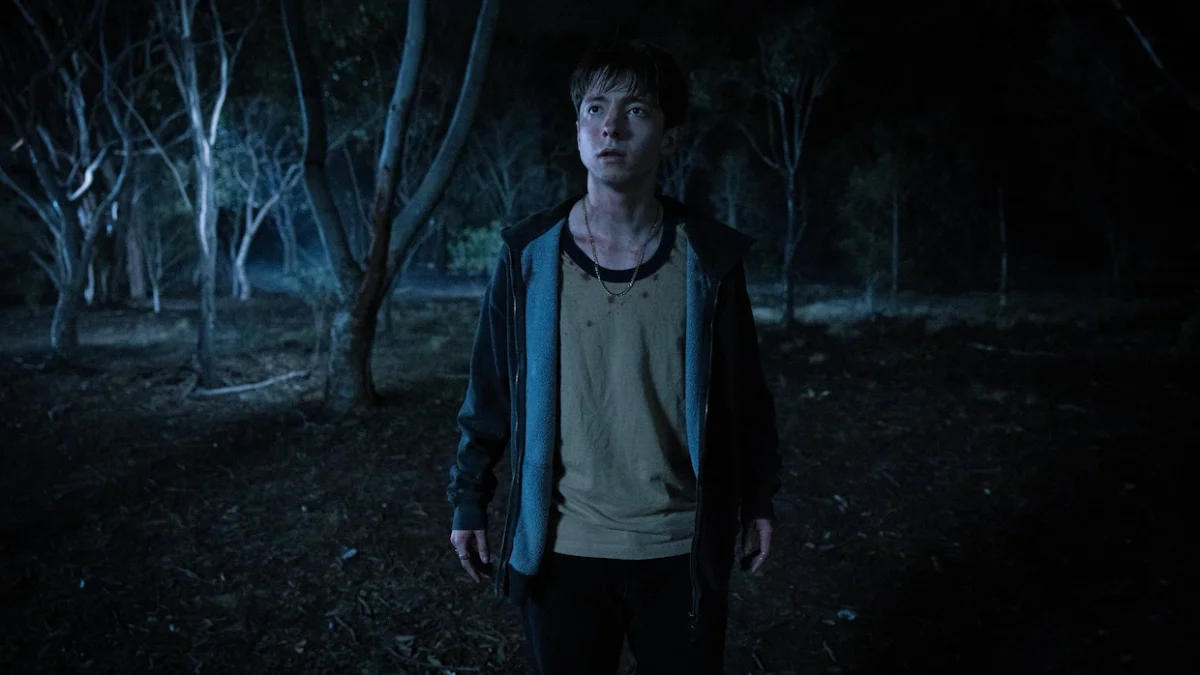
The protagonist, a shy newcomer named Naim (portrayed by Joe Bird), becomes romantically entangled with Ryan (Stacey Clausen), a more volatile and charismatic classmate. Their relationship is complicated by the intrusion of Hunter (Jeremy Blewitt), the closeted son of the local preacher, during a volatile encounter. Driven by jealousy, Naim reports the transgression to authority figures, expecting a minor reprimand rather than a full ecclesiastical exorcism. This act of betrayal sparks the central conflict, forcing Naim to spend the duration of the film navigating a hostile environment where the supernatural monster stalks individuals who are isolated, yet capable of mimicking trusted loved ones to breach their defenses.
Chronology and Development of the Project
The conceptual foundation of Leviticus developed during a period of documented global regression in legal and social protections for LGBTQ+ individuals. Director Adrian Chiarella drew inspiration from classic horror cinema, specifically noting the queer subtext embedded within 1980s genre staples.
- Pre-Production and Conceptualization: Chiarella began conceptualizing the project in response to a contemporary rise in societal bigotry and political pushback against LGBTQ+ rights. Drawing on his own youth, where horror films served as a clandestine refuge for queer teenagers, the director sought to merge personal autobiography with traditional genre tropes.
- Influences: The director has frequently cited Wes Craven’s A Nightmare on Elm Street Part 2: Freddy’s Revenge (1985)—widely interpreted by film scholars as an allegory for the closeted male experience—and John Carpenter’s The Thing (1982), which examines paranoia, identity, and the inability to trust one’s immediate circle.
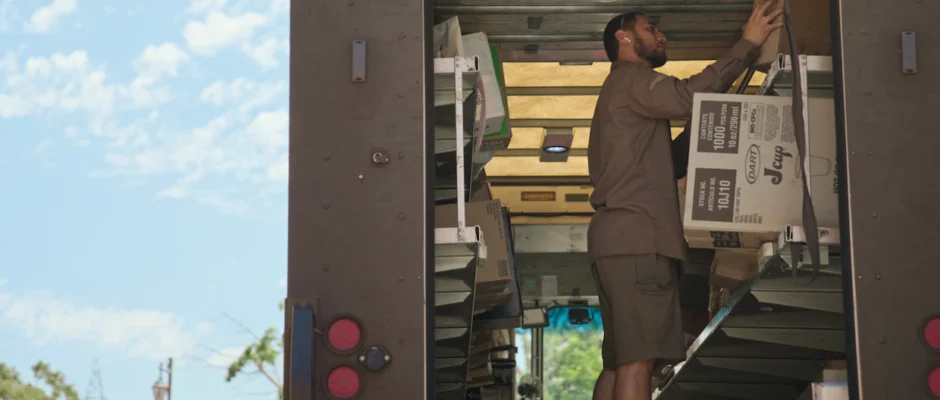
- Production and Setting: Filming took place in remote Australian regions characterized by a juxtaposition of heavy industrial infrastructure and barren pastoral landscapes. Production designers utilized these stark, weathered locations to reinforce a sense of modern biblical alienation, mirroring the emotional isolation of the characters.
- Release and Distribution: Slated for a 2026 theatrical and festival rollout, the film positions itself at a unique juncture in contemporary cinema, where queer narratives have largely pivoted toward mainstream acceptance, allowing Leviticus to deliberately return to themes of crisis and systemic danger.
Supporting Data and Genre Context
The decision to utilize horror as a vehicle for socio-political commentary is supported by decades of academic and industry data indicating that genre films resonate strongly with disenfranchised demographics. According to recent demographic analyses on media consumption, horror remains one of the few cinematic spaces where audiences regularly engage with metaphors of systemic persecution, bodily autonomy, and alienation.
Historically, horror cinema has functioned as a coded language for marginalized populations. During eras of heightened political conservatism or legislative attacks on civil liberties, horror releases frequently experience a surge in box-office performance and critical reevaluation. Leviticus aligns with this analytical framework by substituting traditional monsters—such as vampires or slashers—with an entity born directly from ecclesiastical oppression and conversion therapy practices.
The film’s technical execution reinforces this thematic isolation. Cinematographer and editorial choices dictate that much of the narrative action is observed through restricted viewpoints: windows, mirrors, security cameras, and the indifferent glances of bystanders. Characters who remain unaffected by the curse are entirely blind to its existence, serving as an analogue for the willful ignorance often displayed by communities that dismiss the psychological distress of queer youth.
Statements and Creative Intent
In interviews regarding the production of Leviticus, Adrian Chiarella emphasized that the film’s horror elements are intrinsically tied to personal history and the collective memory of the queer community.
"I started thinking about what would be personal for me," Chiarella stated during early press briefings, noting the historical significance of horror cinema as a surrogate community for queer teenagers who felt alienated by mainstream culture. "I was always told not to watch those films, which only made me want to watch them more."
Discussing the mechanics of the monster within the narrative, the director noted that the creature operates on the principle of isolation. Because the entity can mimic trusted partners, Naim and Ryan are forced into a state of hyper-vigilance where traditional notions of safety and allyship are compromised. This lack of reliable support is underscored by interactions with secondary characters, including Hunter’s sister and Naim’s mother (played by Mia Wasikowska), whose professions of care are frequently undercut by institutionalized fear and control.
"We wanted to create a world where you weren’t sure you could trust even the real people around you anymore," Chiarella explained, emphasizing the dissolution of safe spaces within the narrative environment.
Broader Impact and Implications
The release of Leviticus arrives at a critical juncture for queer cinema. While the past decade has seen a notable increase in LGBTQ+ representation—often characterized by coming-of-age romances and narratives centered on eventual acceptance—critics and cultural analysts point to a concurrent legislative pushback in various global regions regarding bodily autonomy, education, and civil rights.
By deliberately eschewing the neatly resolved conclusions common in contemporary prestige dramas, Leviticus opts for an ambiguous, haunting resolution. Rather than suggesting that systemic trauma can be eradicated through simple reconciliation, the film’s conclusion reflects the enduring nature of psychological scars. As Chiarella noted when comparing the film’s final frames to classic horror tropes where monsters inevitably return from the dead, the trauma experienced by the protagonists is framed as something that may never entirely dissipate.
Through its synthesis of genre conventions, distinct regional setting, and unflinching examination of institutionalized bigotry, Leviticus expands the boundaries of queer cinema. It challenges audiences to confront the persistent realities of prejudice not as historical relics, but as ongoing, active conflicts embedded within modern social structures.