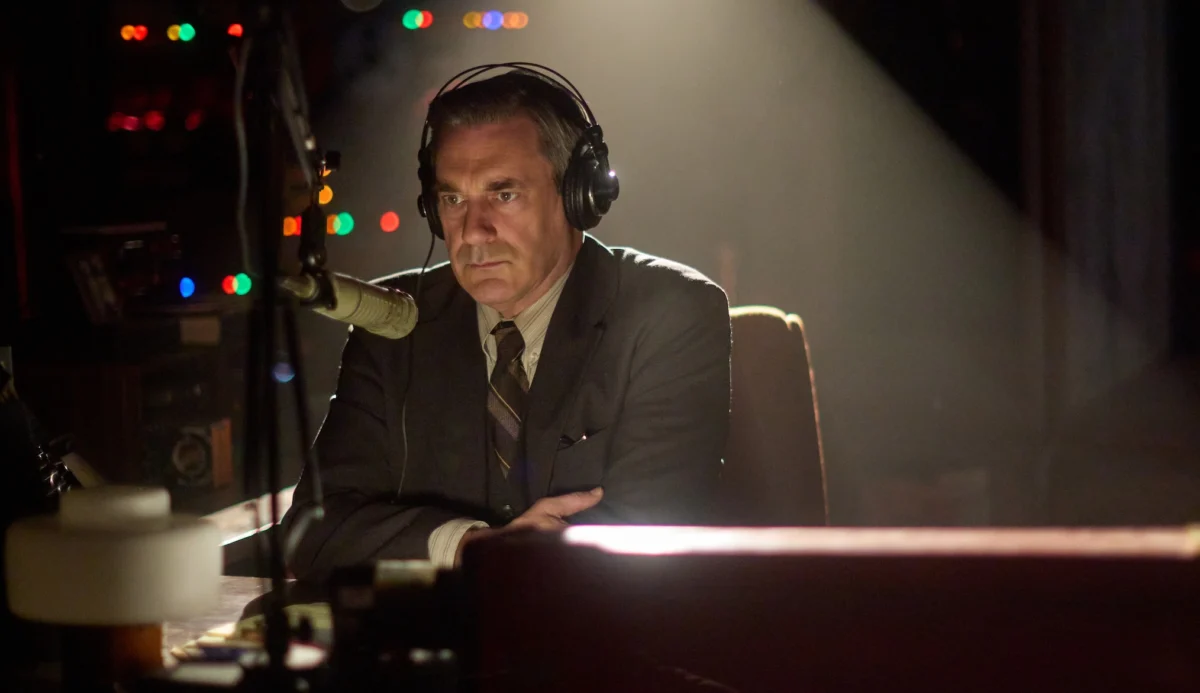
On February 8, 1977, the city of Indianapolis became the epicenter of a harrowing, real-life drama that would redefine the boundaries of broadcast journalism and law enforcement protocols. The unfolding hostage crisis involving Tony Kiritsis and mortgage executive Dick Hall serves as the harrowing foundation for the MGM+ series American Hostage, starring Jon Hamm as radio newsman Fred Heckman. The series dramatizes the events of an agonizing, multi-day standoff that pushed a local news director into the role of a de facto negotiator, ultimately forcing the public to confront the dangerous intersection of media influence and criminal desperation.
The Catalyst: A City in Stasis
The crisis began when Tony Kiritsis, a man frustrated by a stalled land development project, confronted mortgage executive Dick Hall at the Meridian Mortgage offices. Kiritsis, who had been attempting to develop 17 acres of land in Indianapolis, blamed the Hall family for his financial collapse. He claimed that the mortgage firm had systematically maneuvered to seize his property through predatory practices. Armed with a sawed-off shotgun, Kiritsis orchestrated a terrifying display of control: he wired the trigger of the weapon to Hall’s neck using a “dead man’s line.” This meant that any sudden movement, a shot fired by police, or the death of Kiritsis would result in the immediate death of his hostage.
While hostage situations were not entirely unheard of in the 1970s, the tactical nature of this standoff was unprecedented for the local Indianapolis police. By choosing to contact the media directly—specifically requesting the respected WIBC newsman Fred Heckman—Kiritsis bypassed traditional police communication channels, effectively weaponizing the public airwaves to broadcast his grievances.
The Role of Fred Heckman
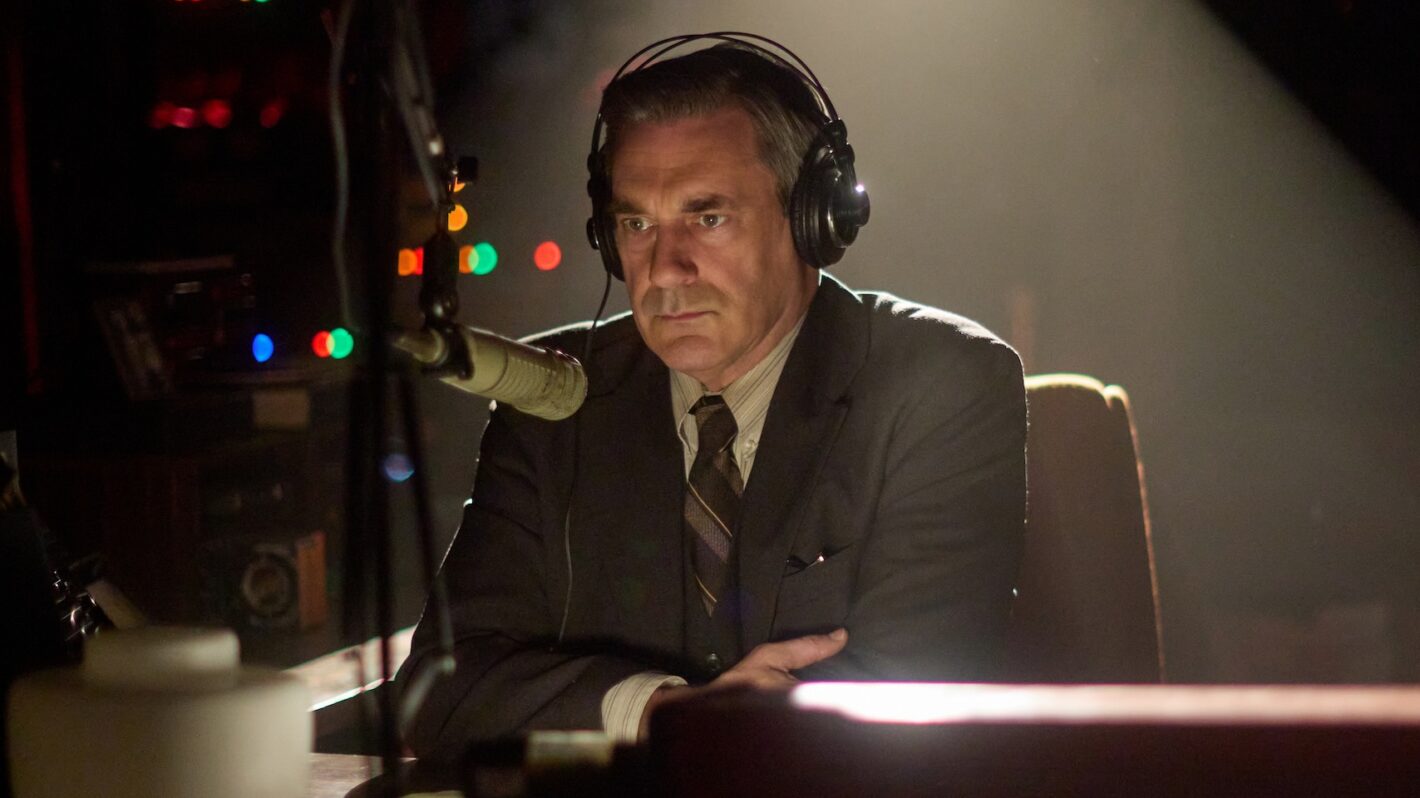
Fred Heckman was not merely a reporter; he was a pillar of the Indianapolis community. His radio program on WIBC was characterized by a commitment to hard-hitting, unfiltered truth. This reputation was exactly what attracted Kiritsis, who sought a platform to expose what he perceived as the corrupt machinations of the Hall family.
For Heckman, played with nuanced intensity by Jon Hamm, the situation presented an ethical dilemma of historic proportions. Station executives at WIBC were acutely aware of the risks. Allowing a volatile, armed man to go live on the air was a nightmare for legal teams and network standards. The potential for a live-broadcast execution was a legitimate, horrifying possibility that weighed heavily on the newsroom. However, as the crisis evolved, it became clear that Kiritsis viewed Heckman not just as a journalist, but as his only conduit to justice.
Chronology of the Standoff
The standoff was a marathon of nerves, stretching over 63 hours. The following timeline outlines the progression of the crisis:
- February 8, 1977: Tony Kiritsis takes Dick Hall hostage at the Meridian Mortgage office. He contacts the police and demands that Fred Heckman be brought into the dialogue.
- February 9, 1977: The crisis moves from the mortgage office to Kiritsis’s apartment. Throughout the night, Heckman conducts several radio interviews with Kiritsis, who uses the platform to launch a tirade against the Hall family and their business practices.
- February 10, 1977: Negotiations reach a boiling point. Law enforcement grows increasingly frustrated with Heckman’s involvement, arguing that his journalistic pursuit is interfering with professional hostage negotiation tactics.
- February 11, 1977: The standoff concludes after Kiritsis finally surrenders, following intense public scrutiny and a promise of a fair hearing.
Media Ethics and the "Hostage-Negotiator" Paradigm
The case of Tony Kiritsis remains a seminal study in journalism ethics. In the late 1970s, the concept of a "media-negotiator" was largely undefined. Critics argued that by giving Kiritsis a platform, Heckman provided the captor with the validation he craved, potentially emboldening him. Conversely, supporters of Heckman’s approach—including showrunner Shawn Ryan—suggest that Heckman’s willingness to engage provided the intelligence necessary to keep Hall alive.
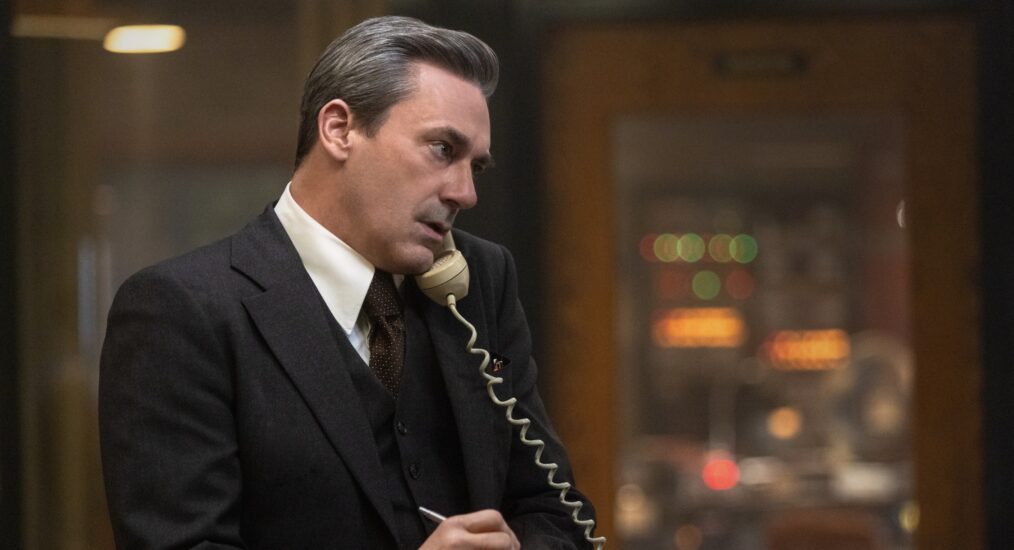
The tension within the WIBC newsroom reflected a broader conflict in American society: the struggle between the "public’s right to know" and the moral responsibility to prevent tragedy. The series explores how this pressure transformed Heckman from an observer into a primary actor. As his career trajectory at CBS loomed, the local crisis became his ultimate test, stripping away the professional distance required by journalism and placing him in the direct line of fire—both figuratively and, at times, literally.
The "Three-Headed Monster": The Case Against the Halls
Kiritsis’s accusations against the Hall family were complex and reflected the economic anxieties of the era. He characterized the family as a "three-headed monster" comprised of their real estate, mortgage, and construction entities. While investigation by the WIBC team revealed that some of Kiritsis’s claims—such as his background as a West Point cadet—were fabrications, other elements of his frustration resonated with segments of the public.
The investigation conducted by the news team during the siege uncovered a web of financial disputes that were, in many ways, "a family matter" turned public spectacle. The refusal of M.L. Hall to offer an apology during a live call further galvanized Kiritsis, illustrating the volatile nature of a man who felt he had lost everything and had nothing left to protect but his narrative.
Broader Implications and Legacy
The 1977 Indianapolis standoff serves as a precursor to modern debates regarding media coverage of domestic terrorism and hostage situations. The "American Hostage" incident forced the FBI and local police departments to re-evaluate how they interact with the press during active crises. The event also highlighted the immense psychological toll on those caught in the middle.
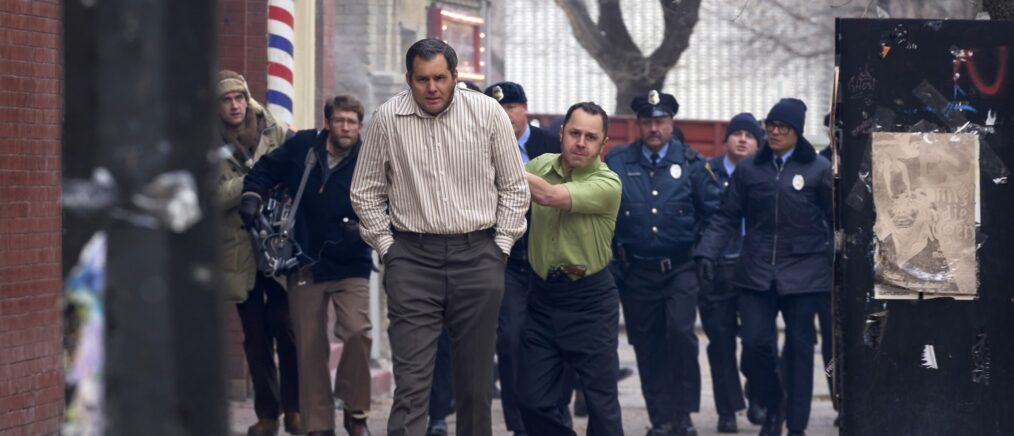
For the city of Indianapolis, the memory of the standoff persists as a symbol of the fragility of civil order. It demonstrated how one individual, driven by a perception of systemic injustice, can hold a community captive through the exploitation of the media. The case also underscores the evolution of broadcast standards; today, the decision to air an "uncensored" hostage interview would be subject to immediate intervention by both government regulators and corporate risk managers.
Analytical Summary
The drama of the Kiritsis siege is not just in the tension of the gun, but in the power of the microphone. Fred Heckman’s journey, as depicted in the MGM+ series, is a cautionary tale about the weight of influence. When a journalist is asked to be the arbiter of justice for a criminal, the fundamental principles of the profession are inevitably tested.
The series captures a moment in time when newsrooms were transitioning into a more aggressive, 24-hour style of reporting, yet were still governed by the personal integrity of local legends. As the series progresses through its eight-episode arc, it forces the viewer to ask: Did Heckman save Dick Hall’s life by providing a release valve for Kiritsis’s rage, or did he unintentionally facilitate a public crime by providing the theater for it?
The legacy of the event remains a complex intersection of history and narrative. It stands as a reminder that in the high-stakes world of crisis management, the truth is rarely as simple as a headline, and the cost of uncovering it can sometimes be the very lives we seek to protect. The story of American Hostage is not just a retelling of a historical event; it is a profound examination of what happens when the observer becomes the observed, and the voice of the community becomes the lifeline of a criminal.