The cinematic landscape of the Marvel Cinematic Universe (MCU) has long been defined by its meticulous interconnectedness and rigorous production cycles. However, the much-anticipated reboot of Blade, a project intended to introduce the iconic vampire hunter into the modern MCU, has become a cautionary tale regarding the friction between auteur-driven vision and corporate studio management. Bassam Tariq, the filmmaker originally tapped to helm the project, recently offered a candid assessment of the experience, highlighting the fundamental disconnect between creative integrity and the demands of a massive studio infrastructure.
In a recent interview with The New Arab, Tariq, who gained acclaim for his work on Mogul Mowgli, articulated the frustrations of navigating a high-budget production without a locked script. His comments provide a rare glimpse into the internal mechanics of a Marvel project, shedding light on why the production eventually faltered, ultimately leading to his departure in September 2022.
A Timeline of the Blade Production Woes
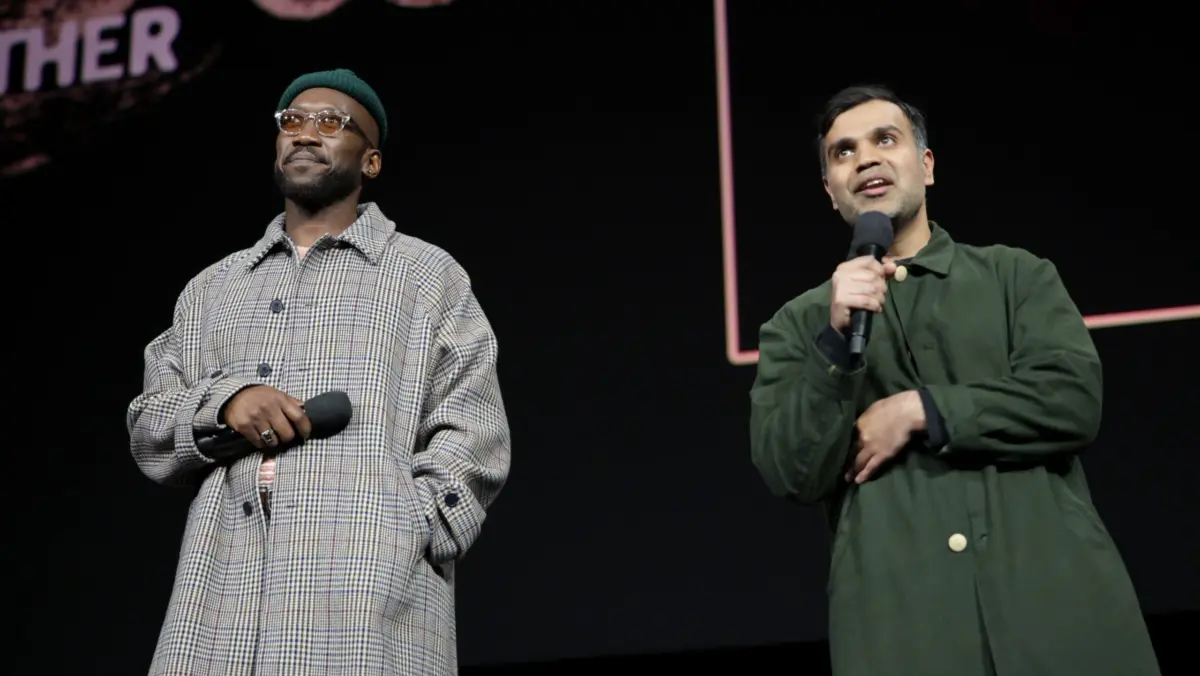
The history of the Blade reboot is characterized by lengthy delays and significant creative turnover, a stark contrast to the rapid-fire success of other MCU installments. The project was officially unveiled at the 2019 San Diego Comic-Con, where Marvel Studios president Kevin Feige stunned fans by introducing Mahershala Ali as the new Eric Brooks, the titular Daywalker. At the time, the casting of a two-time Academy Award-winning actor signaled that Marvel was aiming for a prestige-driven, dark, and gritty tone.
However, the road from that announcement to production was fraught with obstacles:
- July 2019: Mahershala Ali is officially announced as Blade during Marvel’s Hall H presentation at San Diego Comic-Con.
- July 2021: Bassam Tariq is officially attached to direct the feature, with Stacy Osei-Kuffour tapped to pen the script.
- September 2022: Bassam Tariq exits the director’s chair, citing “continued shifts in our production schedule.” Marvel Studios subsequently pauses production to overhaul the creative direction.
- November 2022: Michael Starrbury is hired to write a new draft of the script, following reports that previous versions were underwhelming.
- 2023-2024: The project faces multiple delays, exacerbated by the WGA and SAG-AFTRA strikes. Various writers, including Nic Pizzolatto and Michael Green, are brought in for subsequent drafts.
- July 2024: Reports confirm that Mahershala Ali is no longer attached to the film, effectively closing the chapter on the iteration that began in 2019.
The Friction of Studio Systems and Creative Agency
At the heart of Tariq’s critique is the process of building a production framework around an unfinished foundation. In filmmaking, the "script-first" approach is often considered the golden standard for ensuring that casting, production design, and budgetary allocations are aligned with the story. Tariq described a process that felt "dangerous," noting that he was forced to engage with actors and stakeholders about their roles without a finalized screenplay to substantiate those promises.
"It was funny and strange to start casting and building without a proper script," Tariq told The New Arab. "You’re sitting there and explaining to actors what their role will be, and they just have to believe you. That’s also very dangerous because if the text comes and it doesn’t add up to what you were saying, your credibility gets completely shot."
This issue speaks to a broader criticism of the modern "blockbuster industrial complex." In large-scale franchise filmmaking, studios often prioritize release dates and marketing timelines over the organic development of a narrative. For a director like Tariq, who prioritizes character-driven storytelling and creative autonomy, the pressure to maintain a corporate narrative while the actual script remained in flux created an untenable working environment.
Tariq further noted the ethical dilemma of being the "bearer of bad news" to talent when corporate mandates superseded his creative direction. "If you’re the bearer of bad news to your actors, but you’re not the one making any of these decisions—and it’s actually coming from a corporate entity—that’s not a great way to be a director," he explained.
The Mahershala Ali Perspective and Corporate Failure
The departure of Mahershala Ali is perhaps the most significant indicator of the project’s internal collapse. Ali, who is renowned for his selectivity in choosing projects, had been the face of the reboot for five years. His recent comments to GQ, in which he echoed the sentiment that the failed reboot represents Kevin Feige’s "biggest failure," underscore the level of disappointment felt by those involved.
When pressed on why the film failed to materialize, Ali offered a blunt assessment. "That’s a Kevin Feige question," he stated, highlighting the disconnect between the studio’s resources—a two-time Oscar winner under contract and billions in funding—and the lack of a tangible product. Ali’s acknowledgment that the situation was a failure on the studio’s part serves as a rare admission of corporate oversight within the tightly controlled Marvel ecosystem.
Industry Implications: The Shift in Franchise Management
The failure of the Blade project is not an isolated incident but rather a symptom of the changing landscape of superhero cinema. Marvel Studios has historically been lauded for its "Marvel Method," which often involves heavy intervention from executives during the post-production and script-development phases. While this approach created a cohesive cinematic universe, it has also been criticized for stifling the voices of individual directors and leading to "creative by committee."
Analysts have noted that the studio is currently in a state of re-evaluation. Following a series of underperforming projects at the box office, Marvel has begun to pivot toward a strategy that favors distinct directorial voices and longer development windows. The Blade situation has likely accelerated this transition, as the studio faces mounting pressure to deliver high-quality content rather than relying on the brand name alone.
For filmmakers, the lesson is clear: the integration of independent sensibilities into a massive corporate machine requires a level of transparency and structural support that is often absent in franchise filmmaking. Tariq’s takeaway—that he must have full control over his script—is a sentiment shared by many directors who have moved between the worlds of independent film and major studio tentpoles.
Looking Toward the Future
While the original vision for Blade is officially defunct, the intellectual property remains a crown jewel of the Marvel catalog. The question now is how Marvel Studios intends to proceed. The project serves as a reminder that even with the best intentions, the most talented actors, and the deepest pockets in Hollywood, the lack of a coherent, singular vision can derail even the most promising films.
As the industry observes the fallout of this project, it is evident that the "biggest failure" of the current era may eventually become a vital case study. For Kevin Feige and his team, the challenge lies in balancing the rigid requirements of a shared universe with the fundamental necessity of creative freedom. Whether the studio can successfully integrate these competing interests will determine the success of their upcoming slate.
Tariq’s departure and the subsequent dissolution of the project have left a void, but they have also sparked a necessary conversation about the sustainability of the current production model. For the audience, the wait for Blade continues, but for the industry, the lessons learned from this stumble may prove more valuable than the film itself. As Tariq poignantly noted, "life’s too short to make shit films." In an era where audiences are increasingly discerning, that philosophy may be the only path forward for a genre that once defined the golden age of the modern blockbuster.