Bologna, the historic heart of Italy’s Emilia-Romagna region, is poised to transform into a vibrant, open-air museum of cinema as it gears up to host the 40th anniversary edition of Il Cinema Ritrovato. This prestigious nine-day festival, dedicated to the meticulous restoration, rediscovery, and championing of films that might otherwise be lost to time, commences this Saturday. Showcasing cinematic treasures some of which predate the 20th century, the festival has evolved from its niche origins into an influential international gathering, captivating a new generation of cinephiles and reaffirming Bologna’s status as a global custodian of film heritage.
From Humble Beginnings to International Acclaim
Il Cinema Ritrovato, translating to "rediscovered cinema," was conceived in 1986 by a trio of young cinephiles – Gian Luca Farinelli, Michele Canosa, and Nicola Mazzanti – who were deeply involved with Bologna’s Cineteca. Established in 1963, the Cineteca houses one of the world’s most significant film archives and boasts a cutting-edge laboratory renowned for its expertise in film restoration. It was within these archives that the founders first encountered a wealth of "jewels" that they felt deserved a wider audience.

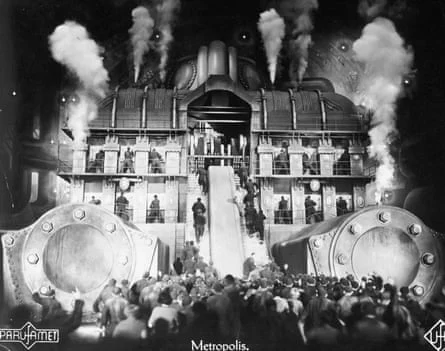
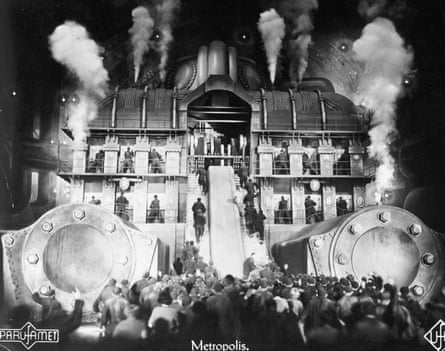
"We began to discover many things that we did not know," Farinelli, who has helmed the Cineteca as director since 2000, recounted in an interview with The Guardian. "We wanted to find an audience to show these jewels to." Their vision materialized shortly before Christmas in 1986, when the inaugural edition of Il Cinema Ritrovato was launched in conjunction with another film festival held at the Cineteca’s Lumière cinema. Early screenings featured significant restored works, including Fritz Lang’s seminal 1931 masterpieces, M and Metropolis, brought to the event by the pioneering German film historian and restoration expert, Enno Patalas.
From its inception, the festival’s mission was clear: to explore the vast and often overlooked landscape of cinematic history. Farinelli noted, "From the outset it was clear that this was an extraordinary field. We also very quickly understood that there was a void in Italy – nobody was really specializing in restored films, and so this is how we created the [Cineteca] laboratory." This commitment to preservation and exhibition laid the groundwork for the festival’s enduring legacy.
A Festival That Grows with the Times
While Il Cinema Ritrovato experienced steady growth in its early years, it largely remained a gathering for dedicated classic film enthusiasts. A pivotal moment in its trajectory came in 1995 when the festival transitioned to a summer slot. This strategic shift significantly broadened its reach and visibility. "This made our work much better known," Farinelli stated.
The festival’s profile has also been significantly elevated by the consistent attendance of internationally acclaimed film directors. Figures such as Martin Scorsese, Francis Ford Coppola, Wes Anderson, and the celebrated Italian director Alice Rohrwacher have become regular fixtures, lending their considerable prestige and passion to the event. Their presence underscores the festival’s importance not just as a showcase, but as a vital hub for cinematic dialogue and inspiration.
Record Crowds and a New Generation of Cinephiles
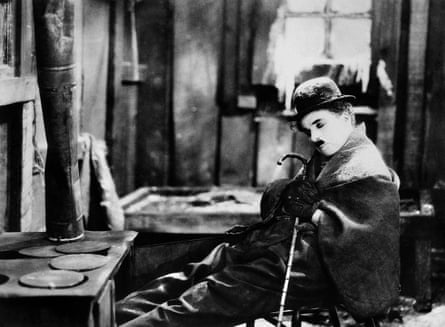
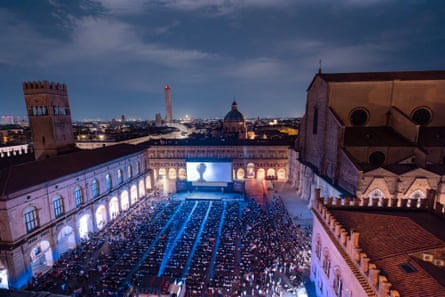
The success of Il Cinema Ritrovato has been demonstrably reflected in its attendance figures. Last year’s edition, which notably featured the resurrection of Charlie Chaplin’s iconic 1925 silent comedy The Gold Rush, drew a record-breaking 140,000 attendees. These film lovers converged on Bologna’s historic Piazza Maggiore and other venues within the city’s Renaissance-era center, creating an unforgettable atmosphere of shared cinematic appreciation.
This year, a similar influx of visitors is anticipated, underscoring the festival’s burgeoning popularity. Farinelli expressed particular enthusiasm for the growing presence of younger audiences. "Another extraordinary aspect is that we have seen the younger audiences explode," he observed. "For younger people, cinema of the past is a great surprise. Yes, they know the [streaming] platforms and all the series, but in Bologna they discover that cinema has a long history. They also discover the pleasure of watching films together in a square with other people." This sentiment highlights a crucial aspect of the festival’s appeal: its ability to foster a communal experience of cinema that transcends the often solitary consumption of digital media. The shared experience of watching films under the open sky, surrounded by thousands of fellow enthusiasts, offers a unique and potent counterpoint to the digital age.
A Landmark 40th Anniversary Edition
The 40th-anniversary edition promises an even richer tapestry of cinematic discovery, with over 500 films slated for exhibition. The program spans the entire history of cinema, from the silent era to Hollywood blockbusters of the 1980s, all presented in meticulously restored versions. This year’s festival aims to unearth films that have been largely forgotten or have remained obscure, offering audiences the thrill of experiencing them for the first time.
A significant highlight of this year’s program is the screening of A Spring for the Thirsty, a powerful 1965 black-and-white surrealist film by Ukrainian director Yuri Ilyenko. This cinematic work was famously censored by Soviet authorities for its perceived "ideological perversions" and only saw a limited release in 1987. Following a painstaking restoration by Fixafilm in collaboration with the Dovzhenko Studio in Kyiv, the film will receive its most significant international airing to date, offering a profound glimpse into a suppressed cinematic past. Farinelli described his reaction to viewing the restored film: "I have seen a huge amount of films in my life, but seeing this one was shocking – I have never seen a film like it."
The festival will also feature dedicated retrospectives honoring cinematic giants. This includes a focus on the influential Italian director Luchino Visconti, with a restored version of his epic masterpiece Il Gattopardo (The Leopard) being a centerpiece. Additionally, the festival will pay tribute to the enduring legacies of screen legends Barbara Stanwyck and the incomparable Josephine Baker, showcasing their contributions to cinema through curated selections of their most significant works.
Preserving the Past, Inspiring the Future
The enduring success of Il Cinema Ritrovato is a testament to its unwavering commitment to its core principles. "When someone organizes a festival, you can only hope that it will grow," Farinelli reflected. "But what is quite unique about Il Cinema Ritrovato is that it has grown while maintaining its principles – that is, to go in-depth and show films but also the complicity, richness and contradictions of the history of cinema."
The festival’s impact extends beyond mere exhibition. By meticulously restoring and reintroducing these films to the public, Il Cinema Ritrovato actively contributes to the preservation of global cinematic heritage. The work undertaken by the Cineteca’s laboratory ensures that future generations will have access to the art and history of filmmaking. Furthermore, by fostering a vibrant community of cinephiles, both seasoned and new, the festival cultivates a deeper appreciation for the medium’s evolution and its profound cultural significance. The resurgence of interest among younger audiences signals a promising future for film preservation and a continued engagement with the art form’s rich and complex past. Bologna, through Il Cinema Ritrovato, not only celebrates cinema’s history but actively shapes its future by ensuring its stories and artistry endure.