The dawn of a new corporate era arrived this Tuesday at the Steven J. Ross Theatre on the Warner Bros. lot in Burbank, where Skydance Media CEO David Ellison addressed his newly expanded workforce for the first time as the owner of the storied Paramount Global. Standing before a crowd of employees who have spent months navigating the uncertainty of a protracted acquisition process, Ellison’s message was one of cautious optimism tempered by the stark reality of the modern attention economy. “Today is Day 1,” Ellison declared, signaling the commencement of a rigorous integration phase that aims to reposition the legacy studio as a formidable global competitor against Big Tech.
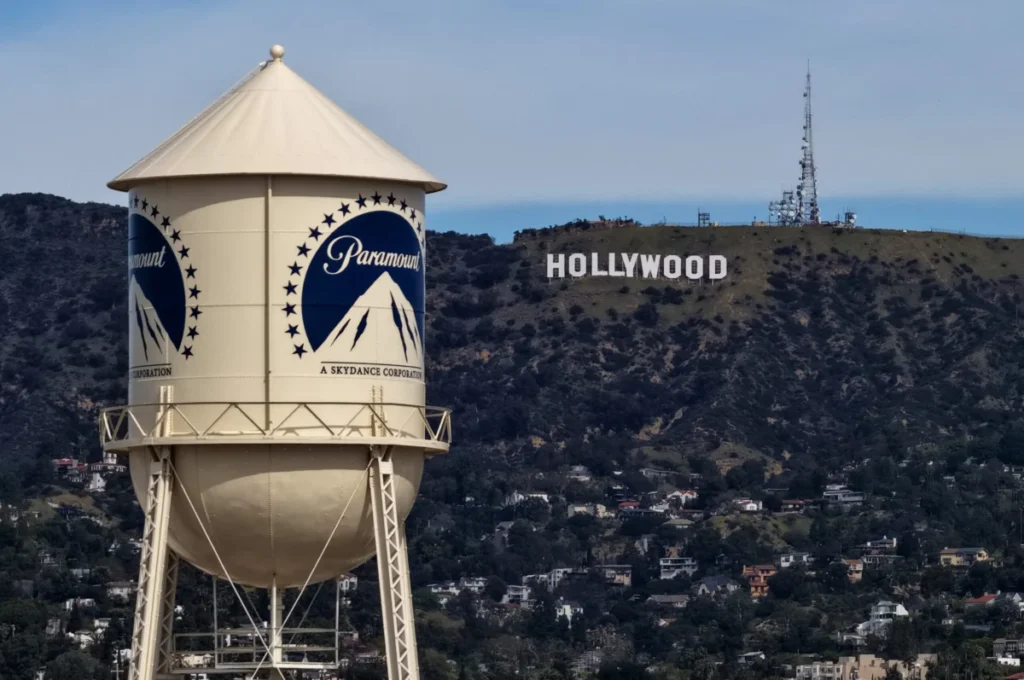
The acquisition of Paramount, a transaction that marks a significant shift in the landscape of American media, concludes a long and at times volatile chapter for the studio. Following the finalization of the deal, which saw Skydance assume control of one of Hollywood’s most iconic film and television libraries, the focus has immediately shifted to organizational restructuring and the long-term vision for the newly unified entity.
A Strategic Pivot Toward Technological Scale
The core of Ellison’s address centered on a fundamental premise: traditional media models are no longer sufficient to survive in an ecosystem dominated by Silicon Valley giants. By merging Skydance’s nimble, production-forward approach with the vast intellectual property (IP) and distribution reach of Paramount, Ellison intends to create a hybrid entity. This organization is designed to leverage advanced technology stacks and data-driven creative development to compete with the likes of Amazon, Apple, and Netflix.
“We believed then—and we believe even more strongly today—that this industry needs another company with the scale, resources, technology and creative firepower to go toe-to-toe with the biggest players in the world,” Ellison remarked. The urgency in his tone underscored the changing competitive landscape, where traditional film and television studios must now fight for consumer time against a backdrop of limitless global digital content.
The Architect of Execution: Ynon Kreiz
While Ellison provided the vision, Ynon Kreiz, the former Mattel CEO tasked with overseeing the operational integration, provided the cold, logistical reality. Described by some attendees as an “intense” presence, Kreiz outlined a three-pronged strategic framework: establishing Skydance as the premier Hollywood content engine, accelerating the integration of direct-to-consumer (DTC) platforms, and optimizing the company’s linear television assets—most notably CBS, which remains the cornerstone of the network’s broadcast strategy.
Kreiz emphasized that the path to success requires an overhaul of internal conventions. “To win, we have to be innovative,” Kreiz told the audience. “Innovation can be anywhere. Not only in the great content that we make, or in our new tech stack that will be second to none. Innovation can happen in every part of the company.” His mandate is clear: identify inefficiencies, streamline operations, and prepare for a market that rewards agility over heritage.
A Timeline of Transformation
The journey to this moment was fraught with industry skepticism and financial hurdles. The acquisition saga began in earnest as Paramount Global sought a buyer to address mounting debt and the structural challenges of transitioning from linear cable to streaming.
- Mid-2023: Paramount Global, grappling with a declining cable subscriber base and the high costs of building a streaming service (Paramount+), signals interest in exploring strategic options.
- Early 2024: Negotiations with various suitors, including Apollo Global Management and Skydance Media, begin in earnest. The process is complicated by the complex multi-class share structure of the company.
- July 2024: A formal merger agreement is reached between Skydance and Paramount. The deal involves a substantial capital injection and a reorganization of the board.
- Late 2024: Regulatory approvals are finalized, clearing the path for the transfer of operational control.
- Tuesday, Day 1: David Ellison officially addresses the workforce, confirming the beginning of the integration phase.
The Shadow of Restructuring
Despite the grand vision articulated by leadership, the mood at the Burbank town hall remained apprehensive. The primary concern for staff is the inevitable reduction in force required to streamline a complex merger. Ellison did not attempt to sugarcoat the situation, acknowledging that the process of combining two large, legacy-dependent organizations would necessitate “difficult decisions.”
“There will be changes, and there will be impacts,” Ellison admitted. “I’m not going to pretend otherwise.” He attempted to mitigate the anxiety by promising transparency, pledging to communicate directly with staff as decisions are made to avoid a prolonged period of uncertainty. For many employees, the transition is the latest in a series of turbulent shifts within the industry, where cost-cutting has become a standard requirement for maintaining shareholder value.
Addressing the CNN and News Landscape
Following the formal presentation, the town hall shifted to a Q&A session moderated by CNN anchor Anderson Cooper. The discussion touched on the future of CNN and the broader political climate. Ellison reiterated his support for CNN’s editorial independence, particularly in the face of ongoing friction with political figures.
When questioned regarding remarks from Secretary Pete Hegseth, who had previously criticized CNN and suggested the network would change under new management, Ellison remained composed. He noted that he was aware of the commentary but distanced himself from the political rhetoric, focusing instead on the network’s operational and journalistic integrity. This stance suggests a desire to keep the media properties insulated from the political polarization that has increasingly defined the public discourse around news organizations.
Implications for the Media Ecosystem
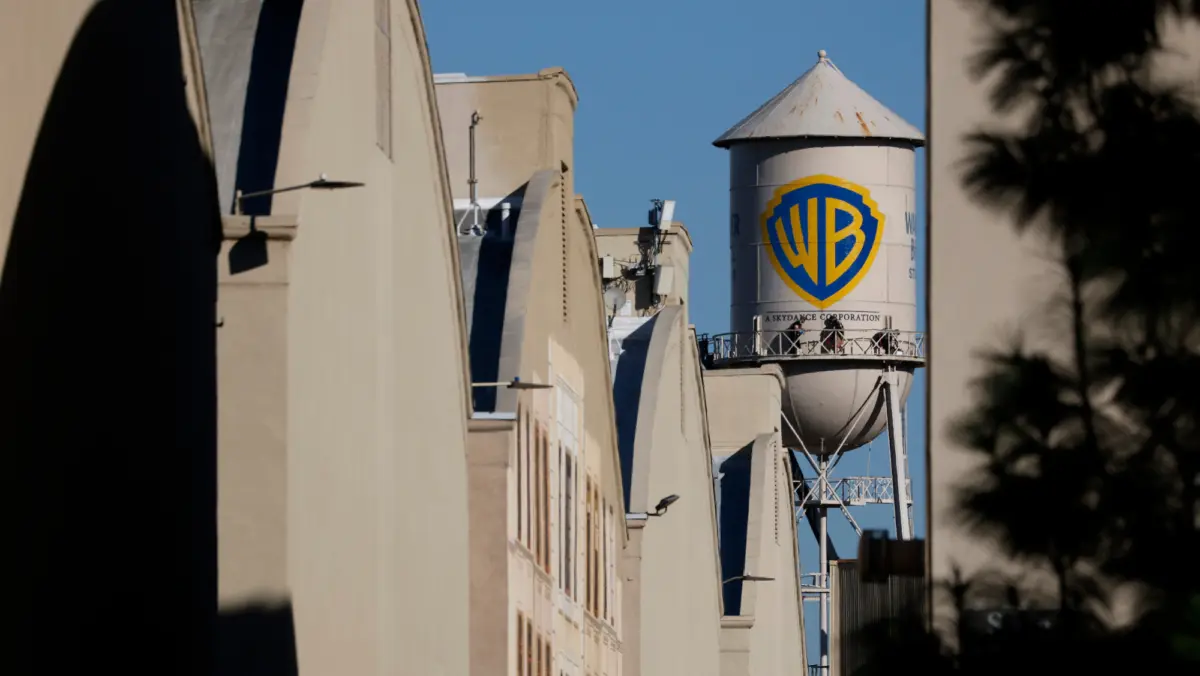
The integration of Skydance and Paramount represents a bellwether for the future of Hollywood. By effectively acting as a "Skydance Corporation," the entity aims to be a powerhouse of both creative production and technological infrastructure. The inclusion of the "Skydance" branding on the Warner Bros. water tower serves as a symbolic marker of this new ownership, signaling a departure from the previous corporate identity.
The success of this merger will likely hinge on three key factors:
- DTC Profitability: Can Paramount+ achieve sustained profitability while maintaining its library, or will it require further content consolidation?
- Linear Resilience: How effectively can the company milk the remaining value from its linear television assets, particularly CBS, to fund future investments in streaming and AI-driven production tools?
- Cultural Integration: How quickly can the distinct cultures of Skydance—a production-heavy entity—and Paramount—a sprawling global media conglomerate—be unified without losing the creative talent that sustains both?
As the new leadership team, including President Andy Gordon and CFO Dennis Cinelli, settles into their roles, the industry will be watching closely. The "long runway" Ellison mentioned is not merely a metaphor; it is a recognition that the capital-intensive nature of media requires years of consistent performance to yield returns.
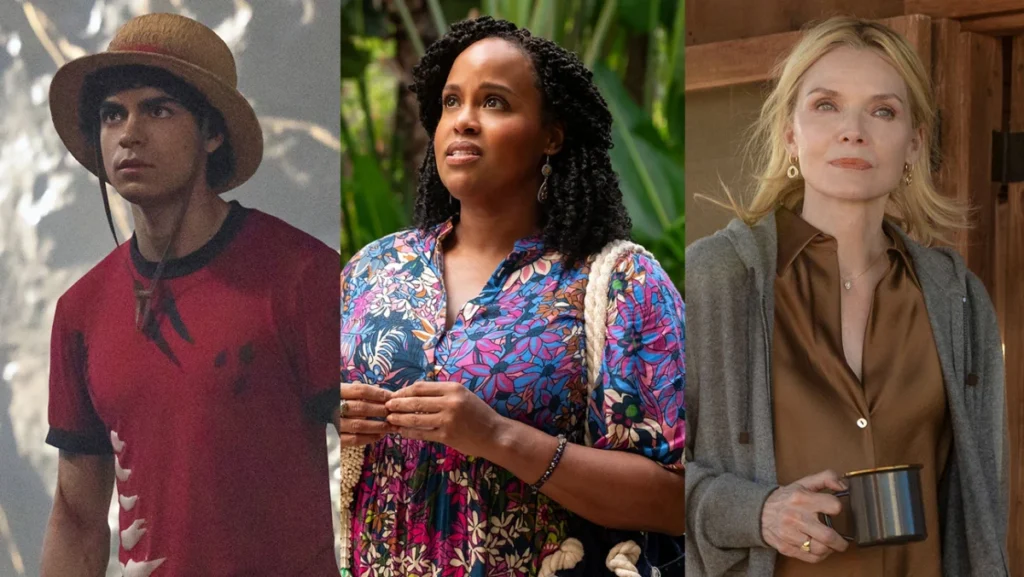
For now, the focus remains on the "sizzle reel" of IP that opened the town hall—a reminder of the immense cultural capital held by the combined companies. Whether that capital can be converted into the next generation of global entertainment dominance depends on the execution of the painful, necessary, and swift changes that Ellison has promised. As the workforce transitions from the "Day 1" announcement to the daily reality of the new structure, the defining characteristic of this new chapter will be the balance between the company’s storied past and the high-tech, high-stakes future that its new owners are determined to build.