The veil of mystery surrounding Steven Spielberg’s highly anticipated film, Disclosure Day, has been partially lifted, offering a clearer glimpse into its narrative and central characters. While the initial two trailers released for the project were deliberately enigmatic, offering little in the way of plot specifics and leaving audiences questioning the true nature of Emily Blunt’s character, Margaret Fairchild, a recent "interview" with the acclaimed actress has provided significant revelations. This strategic release by Universal Pictures serves to demystify the film’s core premise, confirming that Fairchild is indeed human, not an alien in disguise, and illuminating the stakes of this impending extraterrestrial revelation.
Unveiling the Human Element: Emily Blunt’s Pivotal Role
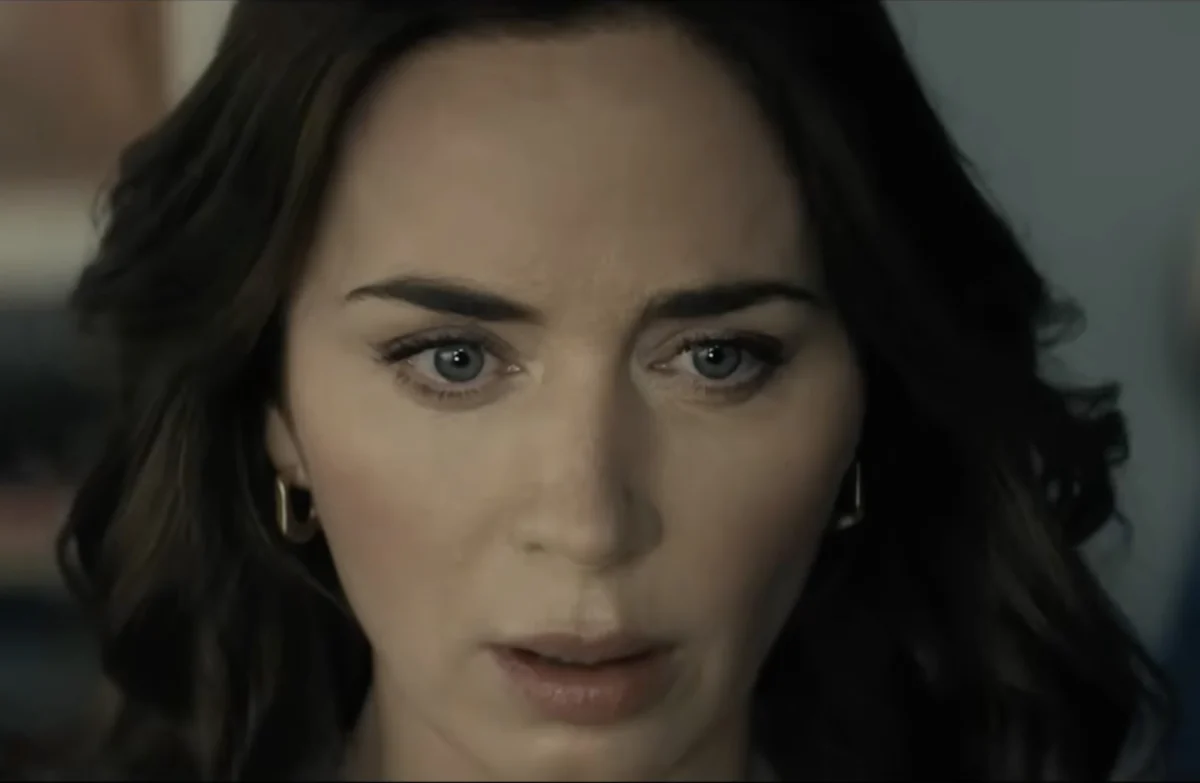
In a move that generated considerable buzz within the film industry and among eager fans, Universal Pictures strategically released a one-minute video featuring Emily Blunt. Presented as an "interview," the segment aimed to offer fans a more direct connection to the film’s unfolding story. Blunt’s candid remarks within the video have been instrumental in reshaping public perception of her character.
"Margaret is suddenly imbued with these abilities she’s never had before," Blunt stated early in the video. This pivotal line directly addresses the long-standing speculation about Fairchild’s origins. By confirming that Margaret experiences a sudden acquisition of powers, Blunt unequivocally establishes her as a human protagonist. This detail is crucial, as it shifts the narrative from a potential alien infiltration story to one centered on human discovery and the extraordinary circumstances that unfold when humanity confronts the unknown. The implications of this human perspective are significant, suggesting a narrative arc that emphasizes relatable reactions to an unprecedented event, rather than an outsider’s viewpoint.
The Psychic Link: A World-Changing Secret Unfolds
Further elaborating on the film’s central conflict, Blunt revealed the existence of a profound psychic connection between Margaret Fairchild and Daniel Kellner, portrayed by Josh O’Connor. Kellner, as previously hinted at in earlier promotional materials, also exhibits extraordinary abilities, leading to speculation about his own origins. However, Blunt’s interview suggests a shared destiny and a mutual reliance between these two characters.
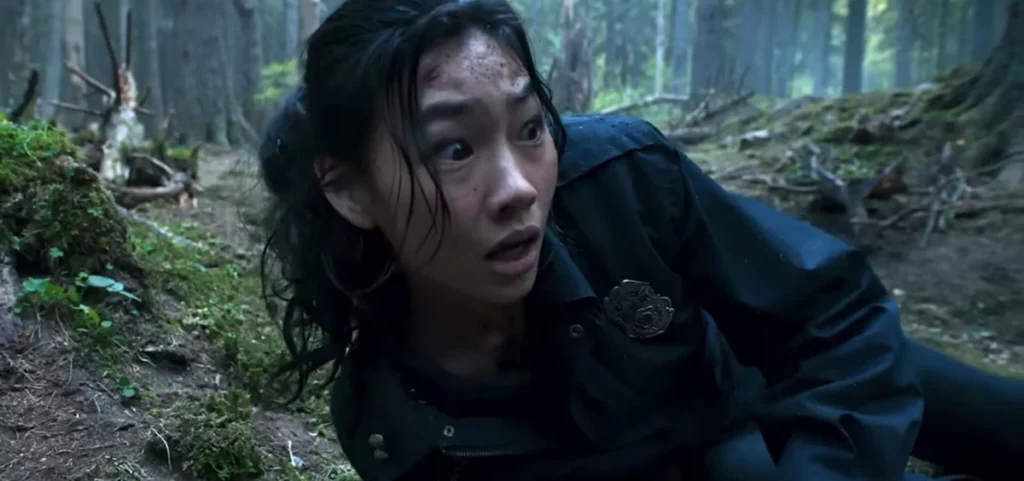
The interview segment then transitions to a compelling scene from the film, visually corroborating Blunt’s explanations. In this sequence, Margaret makes a seemingly inexplicable cold call to Daniel, a man she has never met. Her urgent warning – advising him against returning home due to an imminent threat – underscores the precognitive or telepathic nature of her newfound abilities and the danger they both face. Blunt explained that Margaret and Daniel are "beholders of this world-changing secret," implying their central role in the imminent disclosure of extraterrestrial life to humanity. This shared burden positions them as linchpins in a global event, tasked with disseminating information that will fundamentally alter human understanding of its place in the universe. The development of this secret and its potential impact on global society is a theme that has resonated in science fiction for decades, often exploring themes of fear, wonder, and the disruption of established paradigms.
Opposition and Cover-Up: The Shadowy Forces at Play
The narrative complexity of Disclosure Day is further elucidated by Blunt’s revelation of antagonistic forces actively working to suppress the truth. She indicated that secret government factions, presumably represented by Colin Firth’s character in previous trailers, are determined to prevent the public from learning about the existence of aliens. Their objective, as described by Blunt, is to eliminate Margaret and Daniel, thereby ensuring the secret remains buried.
This element of a clandestine government cover-up adds a layer of political intrigue and high-stakes drama to the film. Historically, narratives involving alien contact have frequently explored the tension between governmental control and public access to information, often reflecting societal anxieties about transparency and authority. The potential implications of such a cover-up are vast, raising questions about the motivations of these shadowy organizations and the potential consequences if their efforts are successful or ultimately fail. The film seems poised to delve into these complex ethical and political dimensions.
A Glimpse into the Chronology of Disclosure
While the precise timeline of events within Disclosure Day remains under wraps, the information provided by Blunt allows for a preliminary construction of the film’s narrative arc. The story appears to commence with Margaret Fairchild’s sudden manifestation of extraordinary abilities, suggesting a pre-disclosure period where she and Daniel are unaware of their unique roles.
The subsequent discovery of their psychic connection and their shared burden as "beholders of this world-changing secret" likely marks a pivotal turning point. This realization then propels them into conflict with the covert government forces intent on silencing them. The film’s climax will likely revolve around their efforts to reveal the truth about extraterrestrial life to the world, defying the clandestine opposition.
The official release date of June 12, 2026, positions Disclosure Day as a major cinematic event for the summer of 2026. This strategic placement allows ample time for marketing campaigns to build anticipation and for audiences to prepare for a film that promises both spectacle and thematic depth. The extended lead time also suggests a meticulous production process, characteristic of Steven Spielberg’s directorial approach, allowing for extensive visual effects work and fine-tuning of the narrative.
Contextualizing the Disclosure Narrative in Science Fiction
The theme of alien disclosure has been a cornerstone of science fiction for decades, offering a rich tapestry of narratives that explore humanity’s reaction to extraterrestrial contact. From the early speculative fiction of H.G. Wells to modern cinematic blockbusters, the "first contact" scenario has consistently fascinated audiences.
- Early Speculation: The dawn of the space age and the Cold War fueled anxieties and curiosities about life beyond Earth. Early science fiction often depicted aliens as either hostile invaders or benevolent guides, reflecting the prevailing geopolitical climate.
- The Rise of the UFO Phenomenon: The mid-20th century saw a surge in reported UFO sightings and alleged alien encounters, significantly influencing popular culture and providing fertile ground for narratives about government secrecy and cover-ups. The Roswell incident of 1947, though widely debunked, remains a potent cultural touchstone for discussions of government conspiracy and alien visitation.
- Modern Interpretations: Contemporary science fiction often explores the philosophical and societal implications of disclosure, moving beyond simple invasion narratives to examine themes of interspecies communication, cultural exchange, and the potential for both conflict and cooperation. Films like Arrival (2016) and Close Encounters of the Third Kind (1977) exemplify this evolution, focusing on the complexities of understanding alien intelligence and the profound impact of such an event on human civilization.
Disclosure Day appears to draw upon this rich legacy, blending elements of mystery, action, and profound philosophical inquiry. By centering the narrative on human protagonists grappling with extraordinary abilities and a world-altering secret, Spielberg’s film seems poised to offer a fresh perspective on a classic science fiction trope.
Broader Implications and Future Outlook
The revelations from Emily Blunt’s interview offer a compelling framework for understanding the narrative thrust of Disclosure Day. The confirmation of Margaret Fairchild’s human origin and her developing psychic connection with Daniel Kellner establishes a grounded emotional core for the film. Their struggle against shadowy government forces eager to suppress the truth adds a vital element of conflict and urgency.
The film’s potential to explore the societal impact of alien disclosure is immense. It raises questions about:
- The Nature of Truth and Secrecy: How do governments and institutions handle monumental truths that could destabilize societal norms?
- Humanity’s Response to the Unknown: Will the revelation of extraterrestrial life foster unity or division among humankind?
- The Ethics of Control: Is it justifiable for any entity to withhold information of such profound significance from the global population?
As the release date of June 12, 2026, approaches, further promotional materials are expected to shed more light on the specific details of the alien civilization and the exact nature of the "world-changing secret." However, the current information provides a robust foundation for anticipating a film that is not only a thrilling sci-fi spectacle but also a thought-provoking exploration of humanity’s place in the cosmos. Steven Spielberg’s track record in crafting compelling narratives that resonate with universal themes suggests that Disclosure Day is poised to be a significant cinematic event, sparking dialogue and contemplation long after the credits roll. The strategic release of information, culminating in Emily Blunt’s revealing interview, indicates a carefully orchestrated marketing campaign designed to build anticipation and engage audiences with the film’s central mysteries and its profound thematic underpinnings.