Following the monumental critical and commercial achievements of her cinematic adaptations of Little Women and Barbie, acclaimed filmmaker Greta Gerwig is turning her attention to the foundational roots of C.S. Lewis’s literary masterpiece with Narnia: The Magician’s Nephew. This upcoming feature film adaptation tackles an era of the beloved fantasy universe that has remarkably never before been brought to live-action screens. The release of the official trailer has provided audiences with their first comprehensive look at Gerwig’s distinct artistic vision, which blends traditional high-fantasy storytelling with a dynamic rock-and-roll aesthetic.
The cultural footprint of C.S. Lewis’s Chronicles of Narnia spans generations, captivating the imaginations of both children and adults since the publication of the initial novels in the 1950s. Over the decades, the intellectual property has seen numerous adaptations across various mediums. These include the 1967 ITV television series, a cult animated film released in 1979, and the definitive three-part BBC television series that broadcast from the late 1980s to the early 1990s. Most prominently, the franchise experienced a massive cinematic renaissance in the 2000s with a blockbuster feature film trilogy released during the height of the post-Lord of the Rings fantasy boom.
Despite the historical saturation of adaptations, Gerwig’s current project distinguishes itself by beginning at the very chronological dawn of the saga. The Magician’s Nephew serves as the definitive origin story for the entire Narnian universe, detailing the creation of the realm, the tragic origins of the antagonist Jadis—who eventually becomes the White Witch—and establishing the foundational lore that paves the way for the events of The Lion, the Witch and the Wardrobe.
An All-Star Ensemble Cast Brings Literary Legends to Life
To helm this ambitious reimagining, Gerwig has assembled a prestigious ensemble cast featuring some of the most recognizable talents in contemporary cinema. Most notably, legendary actress Meryl Streep has been cast to voice Aslan, the omnipotent and benevolent lion who sings Narnia into existence.
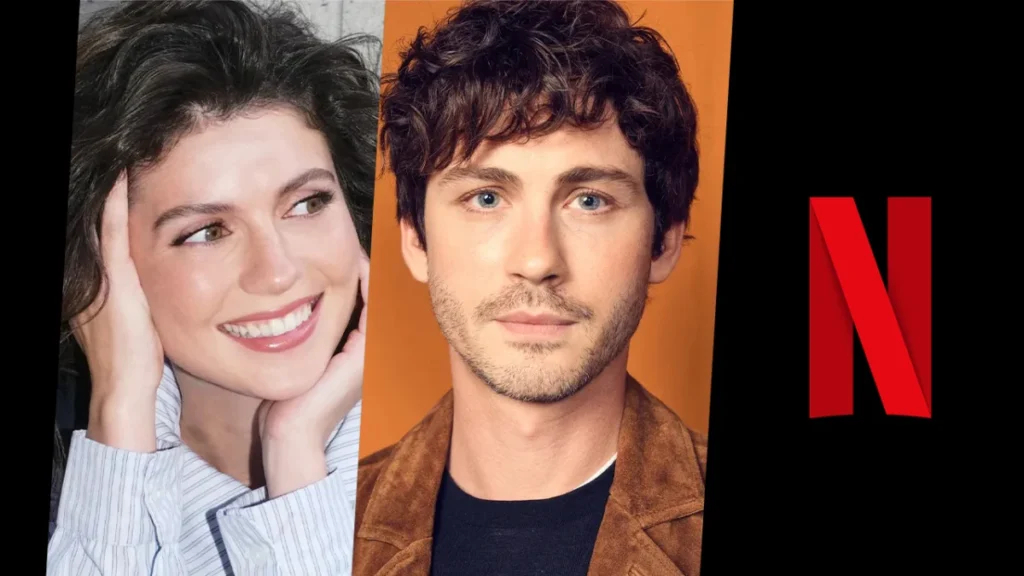
The cast further boasts Daniel Craig in the role of the eccentric, vain, and cowardly Uncle Andrew Ketterley. Emma Mackey steps into the formidable boots of Jadis, the powerful and destructive sorceress of Charn. Carey Mulligan takes on the role of Mabel Kirke, while the young protagonists Digory Kirke and Polly Plummer are brought to life by relative newcomers David McKenna and Beatrice Campbell, respectively. This high-profile casting underscores Netflix’s substantial financial and institutional commitment to the project, positioning it as a cornerstone of their future theatrical and streaming slate.
A Glam-Rock Aesthetic and Historic Musical Licensing
Interviews leading up to the trailer release indicated that Gerwig’s adaptation would deviate significantly from prior iterations, refracting the classic text through her unique directorial sensibility. While the narrative takes structural liberties—including minor shifts to the original chronology—the most striking creative choice is the infusion of glam-rock culture into the fabric of the world-building.
In a recent interview with Empire, Gerwig articulated the thematic reasoning behind this choice. "Narnia is literally a world made out of music," Gerwig stated. "It is a world sung to life by Aslan, and rock ’n’ roll to me felt like a world made out of music."
This philosophy is immediately apparent in the official 2-minute-and-30-second trailer, which unfolds to the accompaniment of Led Zeppelin’s legendary 1971 rock anthem, Stairway to Heaven. Notably, this trailer marks the first time the surviving members of Led Zeppelin have granted official permission for the iconic track to be licensed for use in a narrative motion picture. The song immediately establishes a high-energy, counter-cultural tone that matches Gerwig’s self-described "rock ’n’ roll" approach to high fantasy.
Comprehensive Trailer Breakdown and Narrative Progression
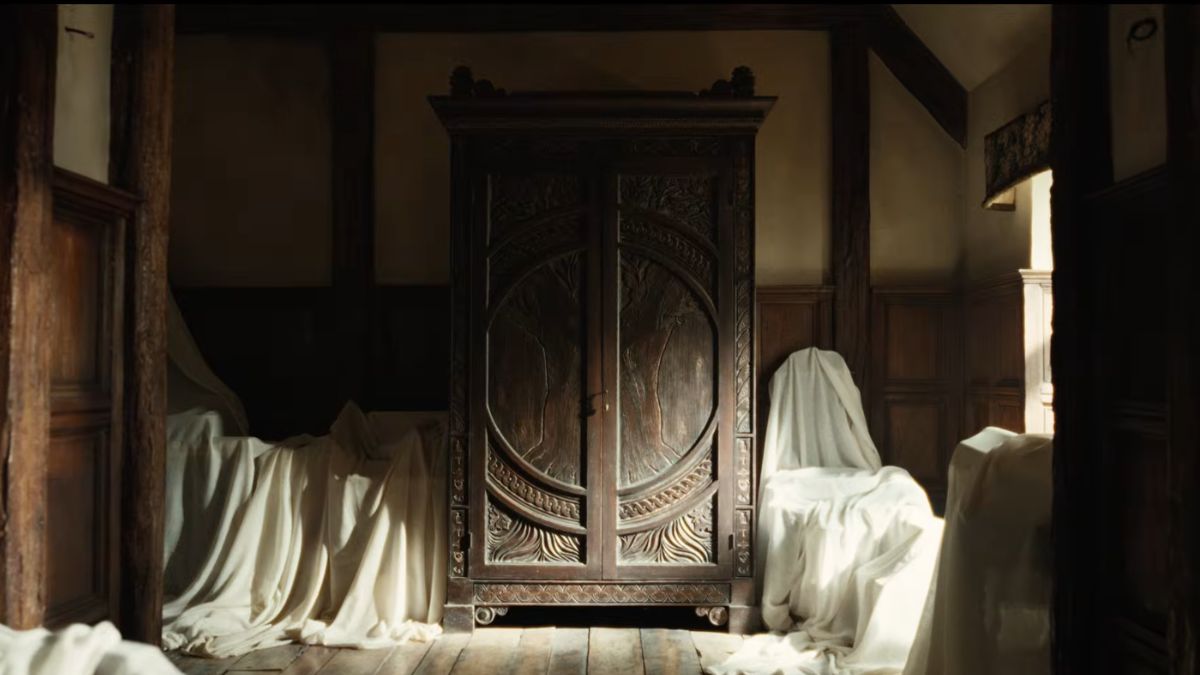
The trailer functions as a chronological micro-version of the film’s narrative arc. It opens with a nostalgic, lingering shot of the iconic Narnian wardrobe from The Lion, the Witch and the Wardrobe. The inclusion of this prop in an adaptation of The Magician’s Nephew is a deliberate narrative bridge; while the wardrobe does not physically appear in the source novel, the book’s epilogue reveals that the furniture was ultimately constructed from the wood of an enchanted tree grown from a magical Narnian apple planted on Earth.
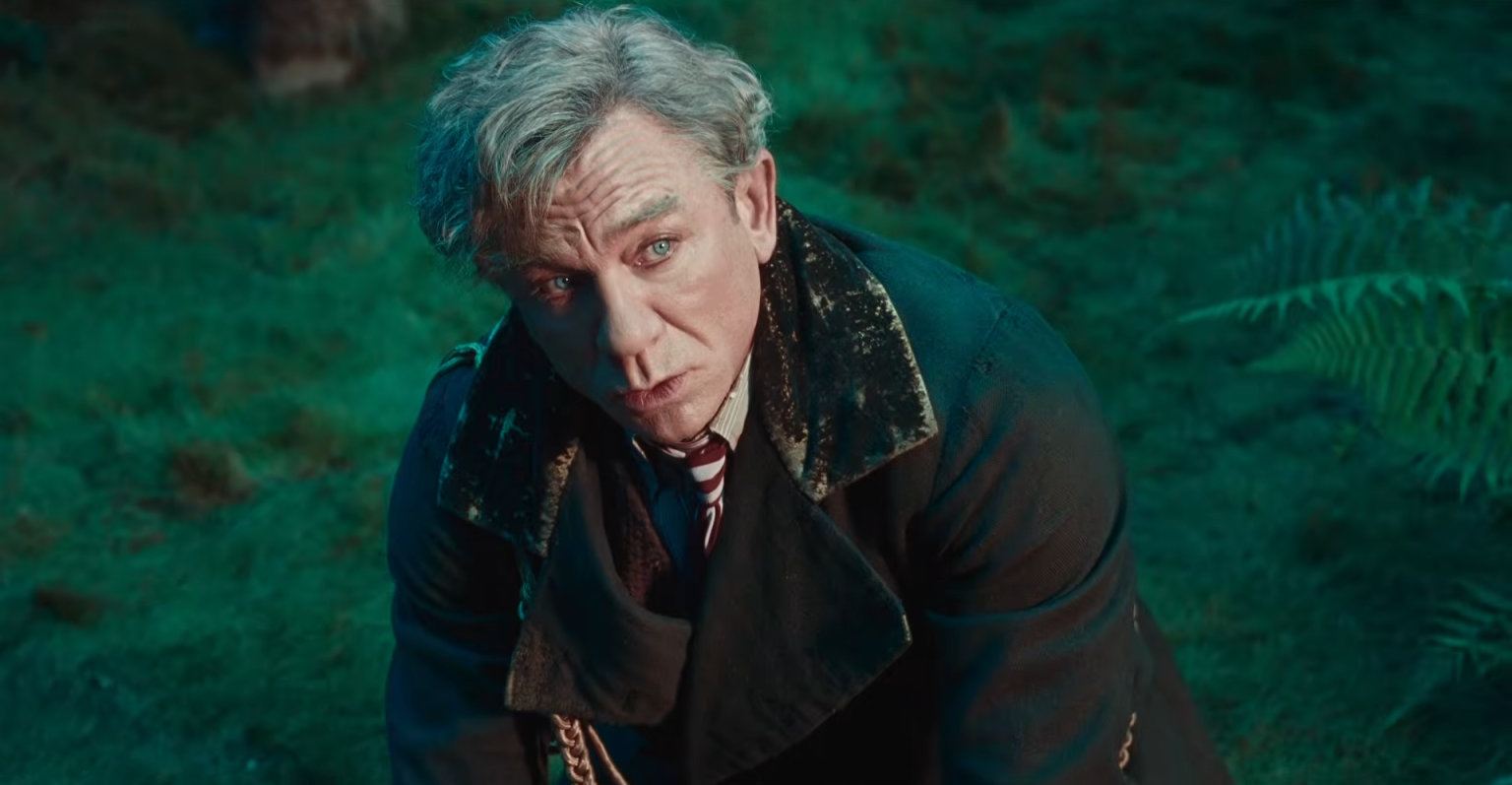
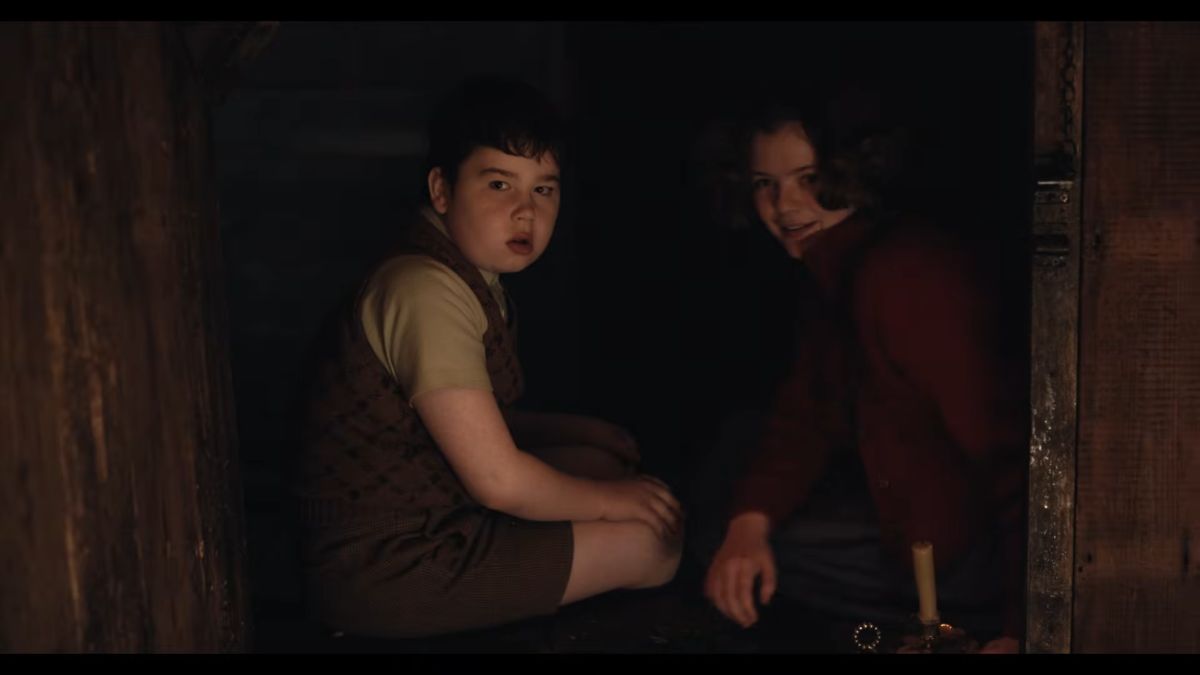
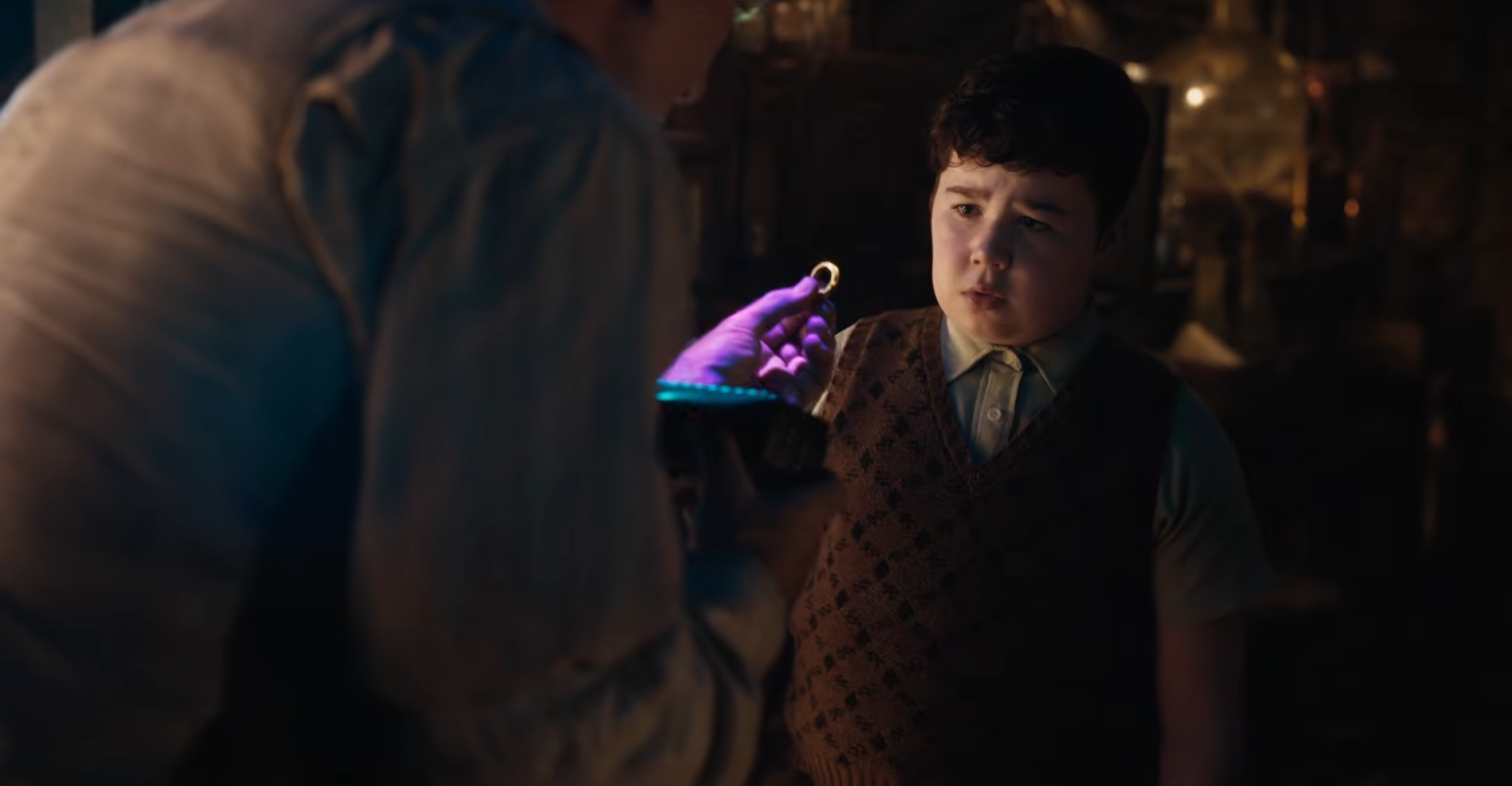
The preview then introduces childhood best friends Digory Kirke and Polly Plummer, whose innocent curiosity inadvertently thrusts them into a sequence of otherworldly events. They are introduced to Daniel Craig’s Uncle Andrew Ketterley, who operates out of a cluttered London laboratory, seldom venturing outside. Ketterley bestows upon the children magical rings capable of transporting the wearers across dimensions.
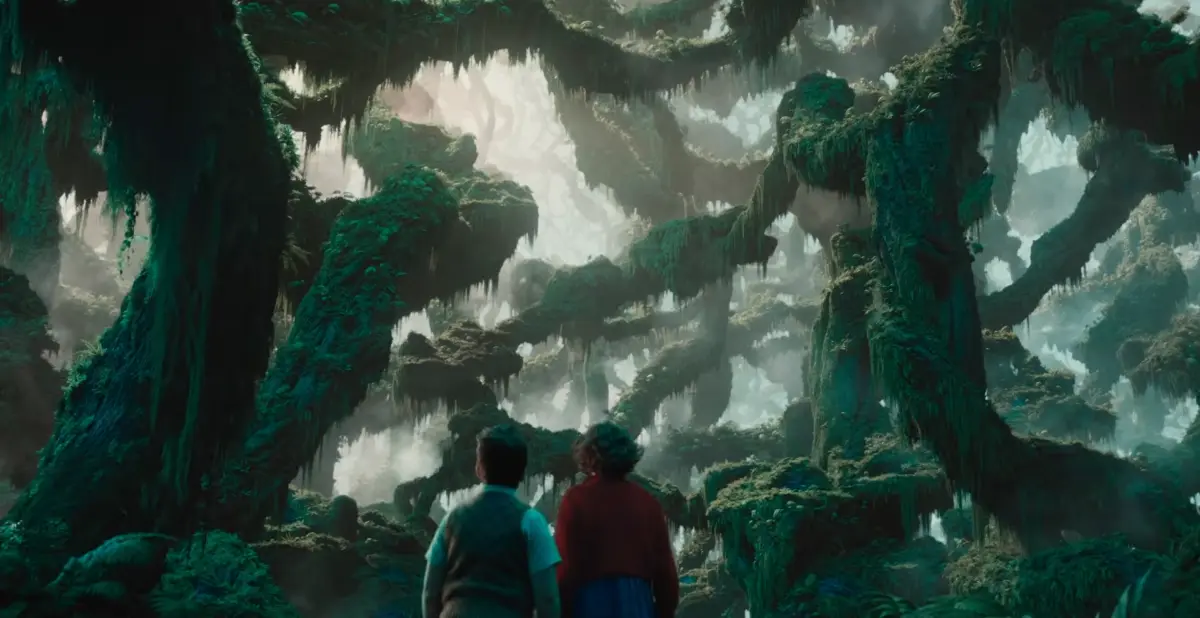
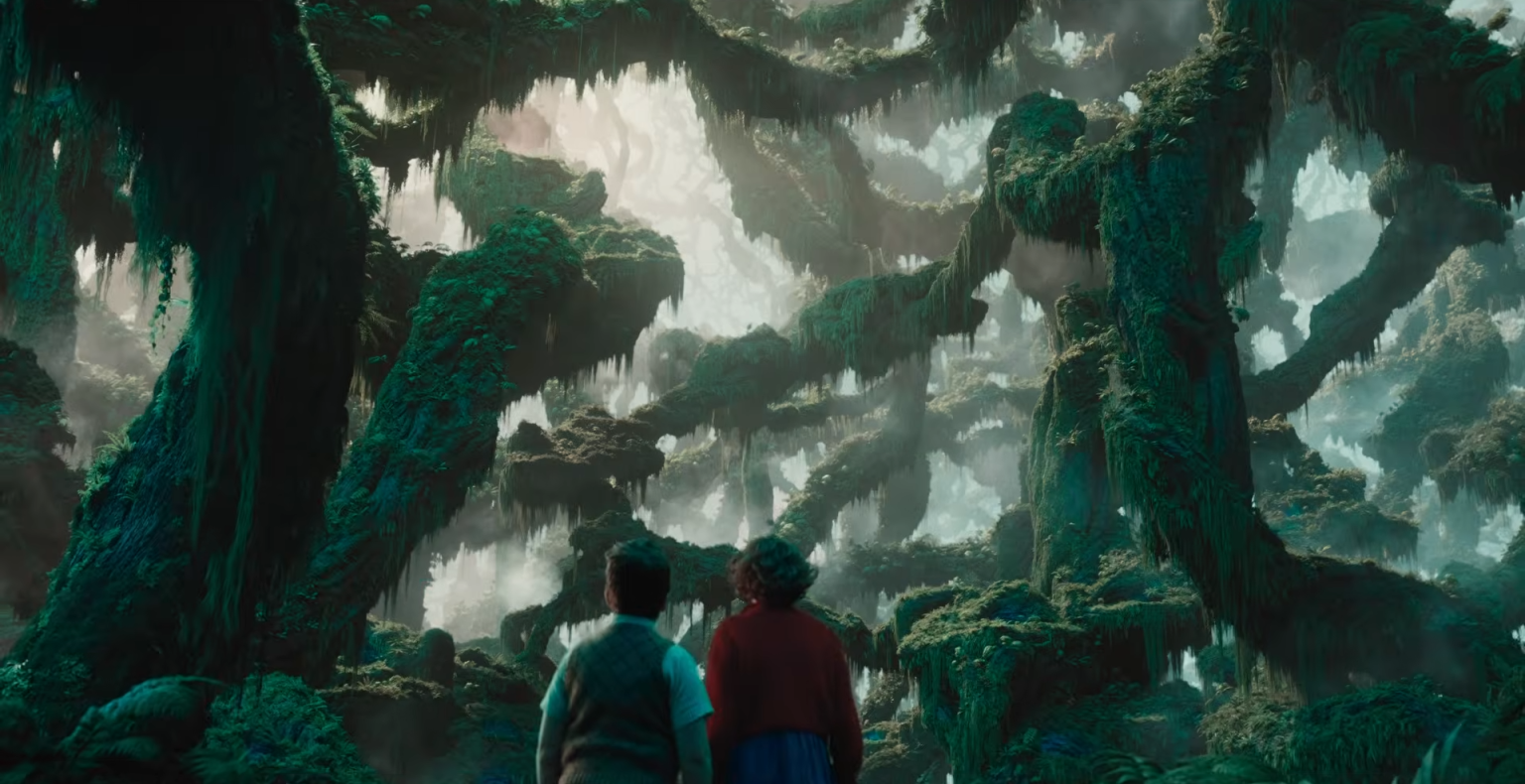
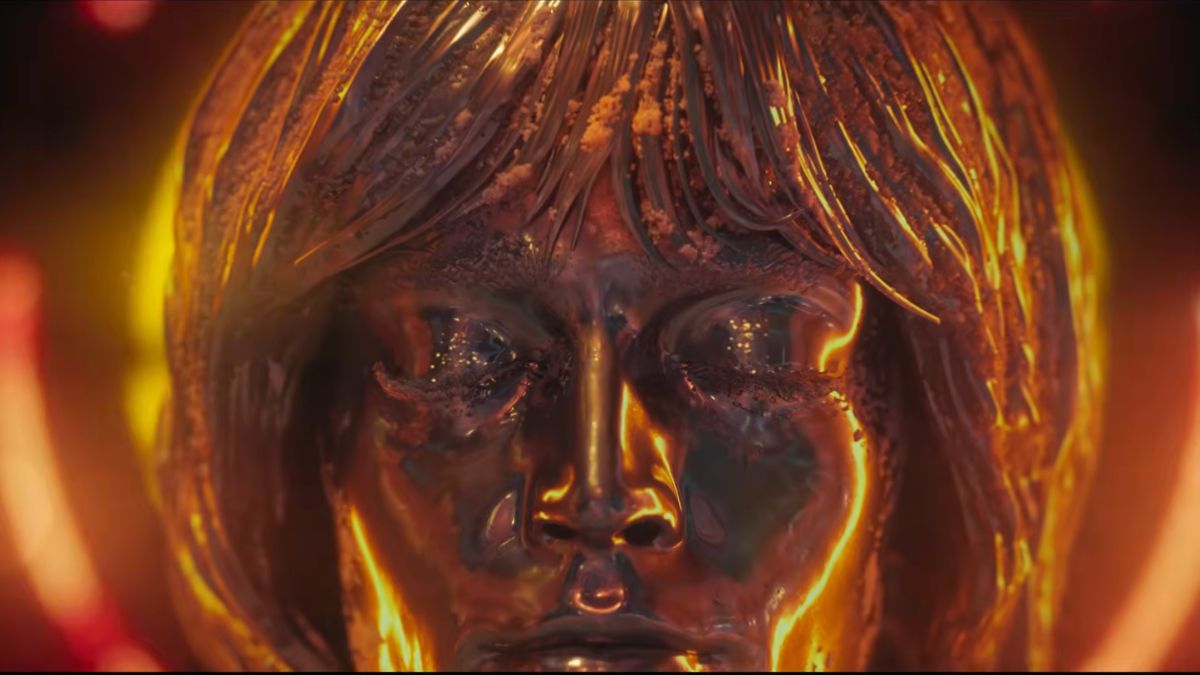
These rings lead Digory and Polly to the Wood Between the Worlds, a mystical, tranquil forest filled with numerous shallow pools that serve as transit hubs connecting separate universes. By plunging into one of these pools, the children enter Charn, an ancient, desolate city bathed in the reddish glow of a dying sun. Charn has never before been depicted in a live-action adaptation. It is here that Digory strikes a golden bell, unwittingly waking Jadis from an enchanted, statue-like slumber.
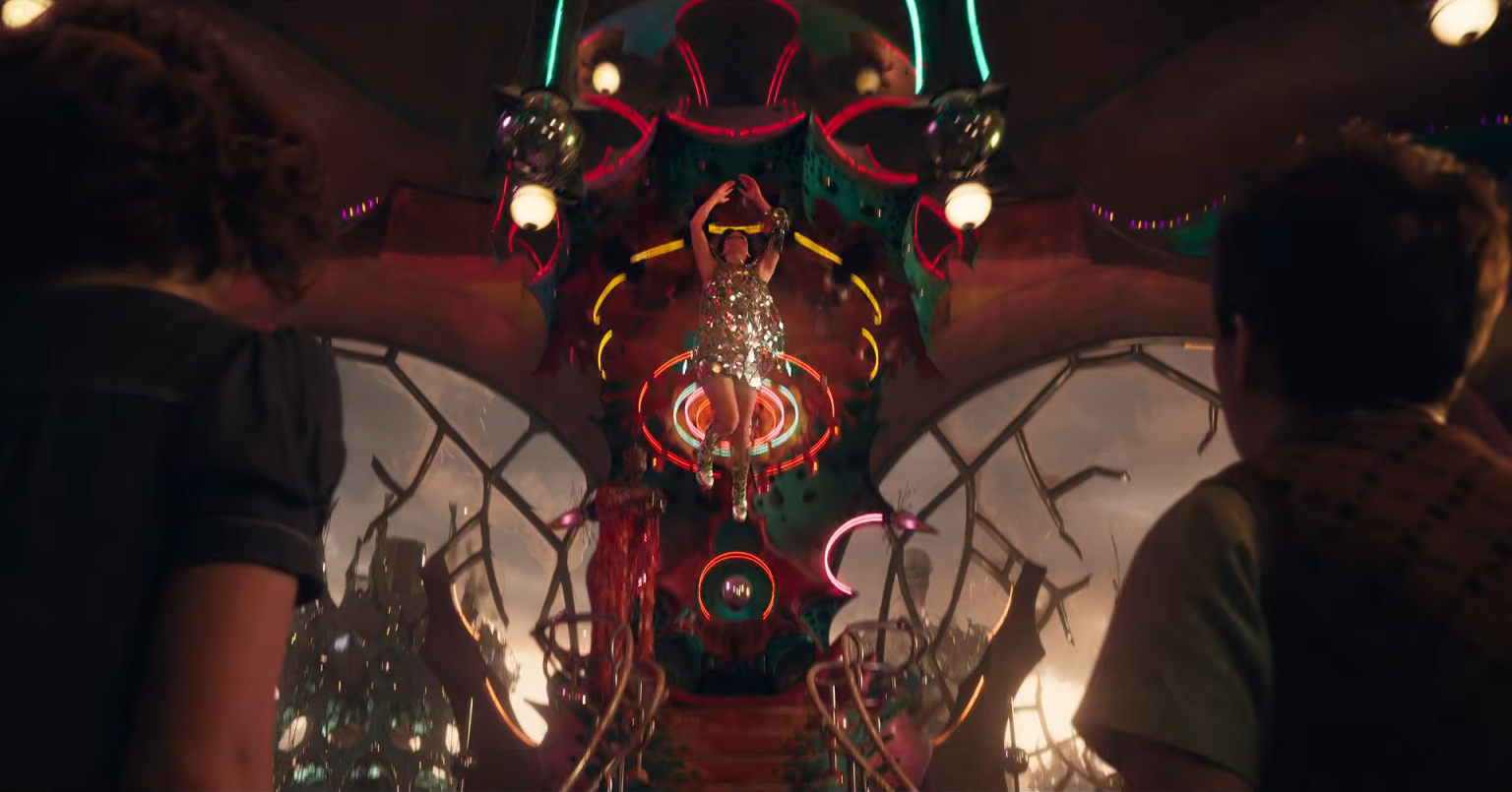
Upon awakening, Emma Mackey’s Jadis is revealed in a striking silver, disco-inspired glam-rock ensemble, wielding a glowing, multi-colored wand against a backdrop of neon-lined architecture. In a significant departure from C.S. Lewis’s original text—wherein Jadis is stripped of her magical capabilities while visiting Earth—Gerwig’s adaptation depicts the sorceress pursuing the children back to Victorian London and utilizing her powers to cause widespread urban devastation.
Eagle-eyed viewers have already spotted subtle literary Easter eggs within the London destruction sequences. The background of one cataclysmic shot features a fictionalized storefront for "The Eagle and Child," a direct nod to the historic Oxford pub where C.S. Lewis, J.R.R. Tolkien, and their fellow literary scholars known as the Inklings regularly convened.
Subsequent sequences in the trailer preview iconic moments from the latter half of the novel, including the breathtaking flight of Digory and Polly upon the back of a winged horse. In the lore of The Magician’s Nephew, this creature begins its life as a London cab horse named Strawberry before Aslan bestows upon him the gift of speech and flight, renaming him Fledge to aid the children on their quest for a healing apple.
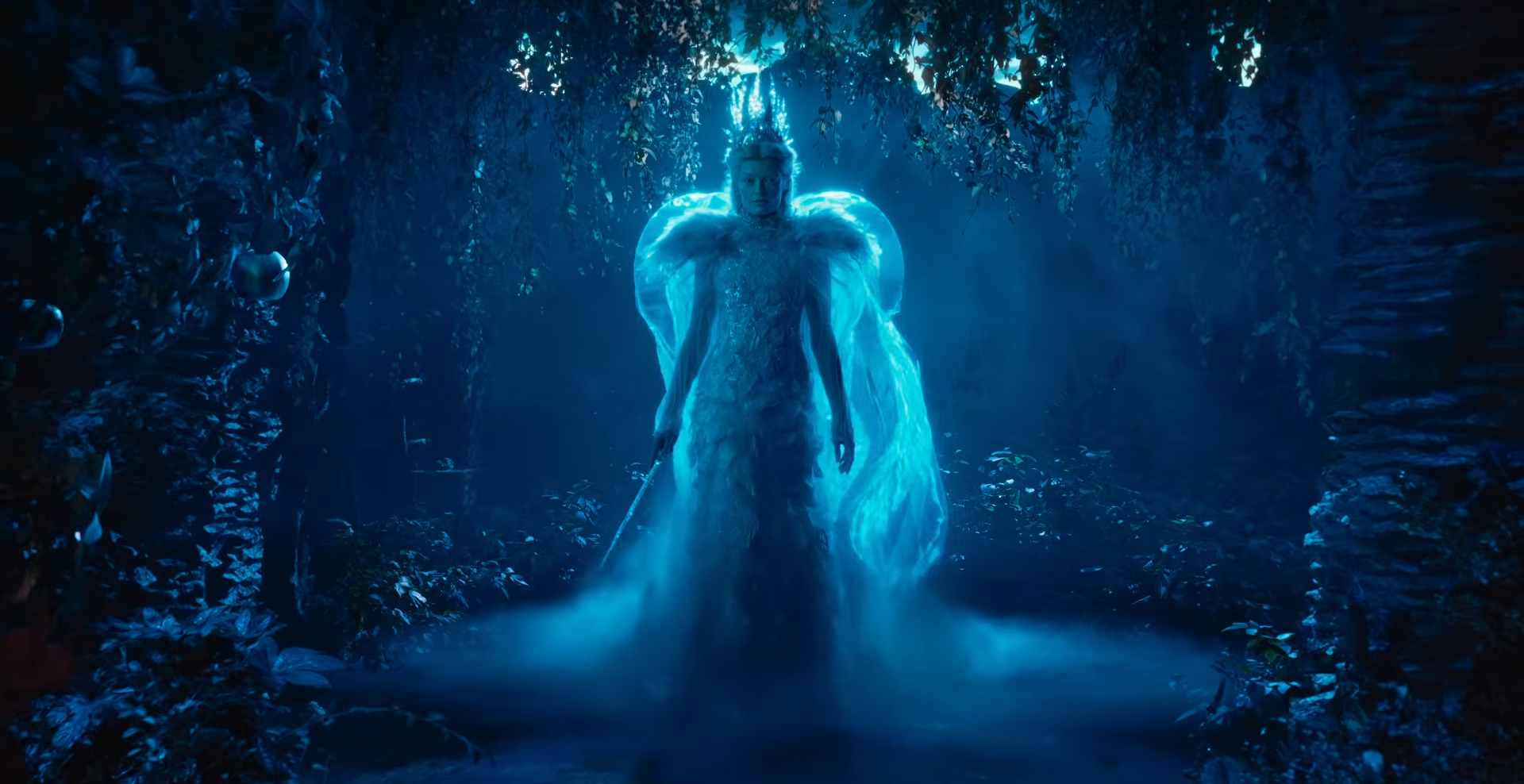
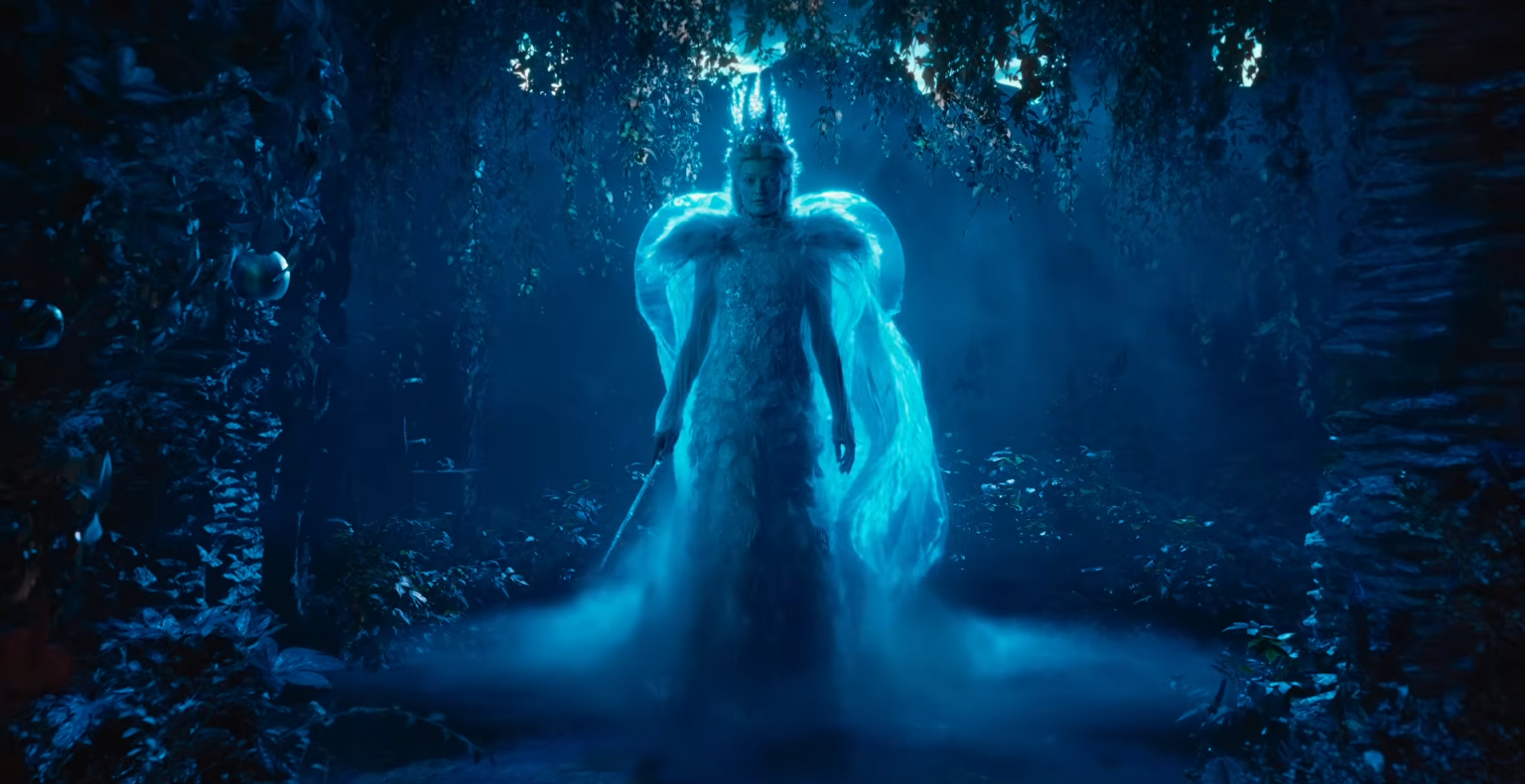
The trailer culminates in the visual transformation of Jadis into the White Witch, set against an icy blue woodland backdrop where she wields a transparent, frost-like wand. Finally, the preview closes with the cinematic arrival of Aslan. Rendered as an ethereal, luminous entity, Aslan is shown weaving the very fabric of Narnia into existence through a vibrant explosion of warm colors and deep purples, honoring the premise that the realm was sung into being.
Public Reception and Cultural Implications
Initial public reaction to the Narnia: The Magician’s Nephew trailer has been overwhelmingly passionate, characterized by a mix of cautious skepticism and unbridled enthusiasm across social media platforms. While purists have noted that Gerwig’s stylistic choices—particularly the vibrant, almost theatrical framing and the rock-and-roll tonal shift—represent a radical departure from the traditional, earnest fantasy tone of the 2000s films, many critics and fans have praised the sheer ambition of the project.
Commentators have drawn comparisons to the whimsical, avant-garde sensibilities found in modern television sci-fi, noting that Gerwig’s distinct visual fingerprint successfully avoids the visual fatigue often associated with contemporary franchise filmmaking. The advanced computer-generated imagery displayed in the creation sequences and the flying horse sequences has largely mollified early doubts regarding the production’s technical execution.
Theatrical and Streaming Release Schedule
Netflix has confirmed a dual release strategy for the highly anticipated blockbuster. Narnia: The Magician’s Nephew is scheduled to make its exclusive debut in theatrical cinemas on February 12, 2027. Following its theatrical window, the film will become globally available to stream for subscribers on Netflix starting April 2, 2027. This release model indicates that Netflix is prioritizing a traditional theatrical rollout for prestige tentpole projects, ensuring that audiences can experience Gerwig’s grand sonic and visual scale on the largest possible screens before the film lands on the streaming platform.