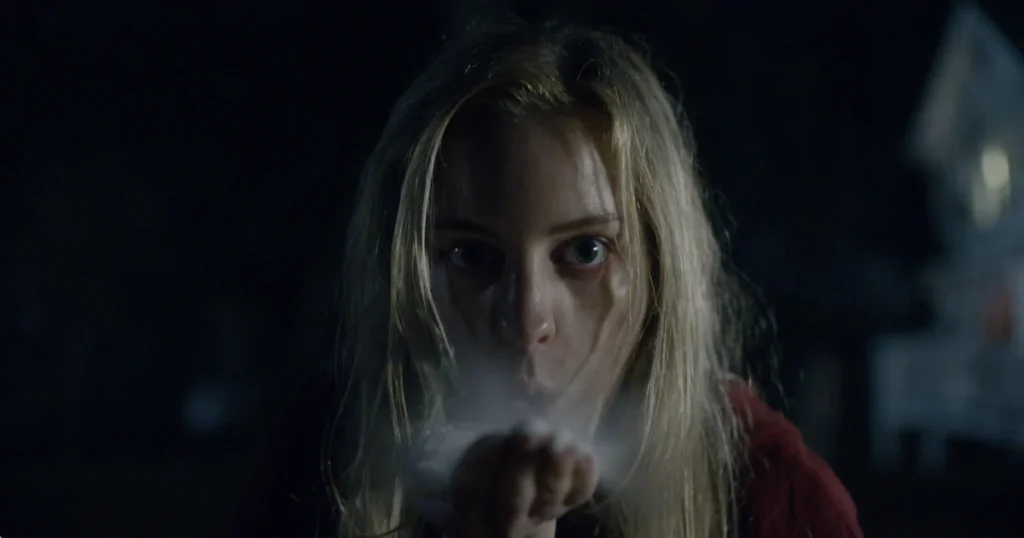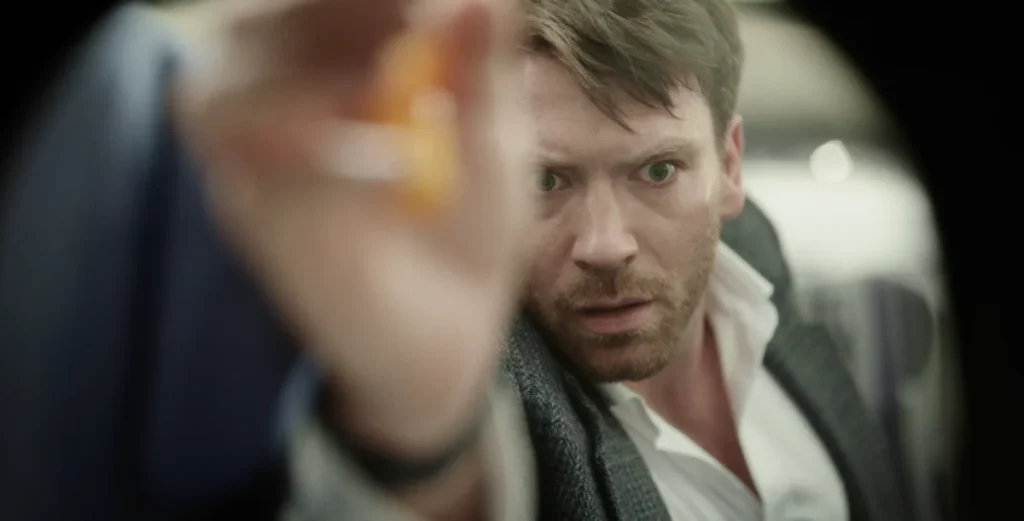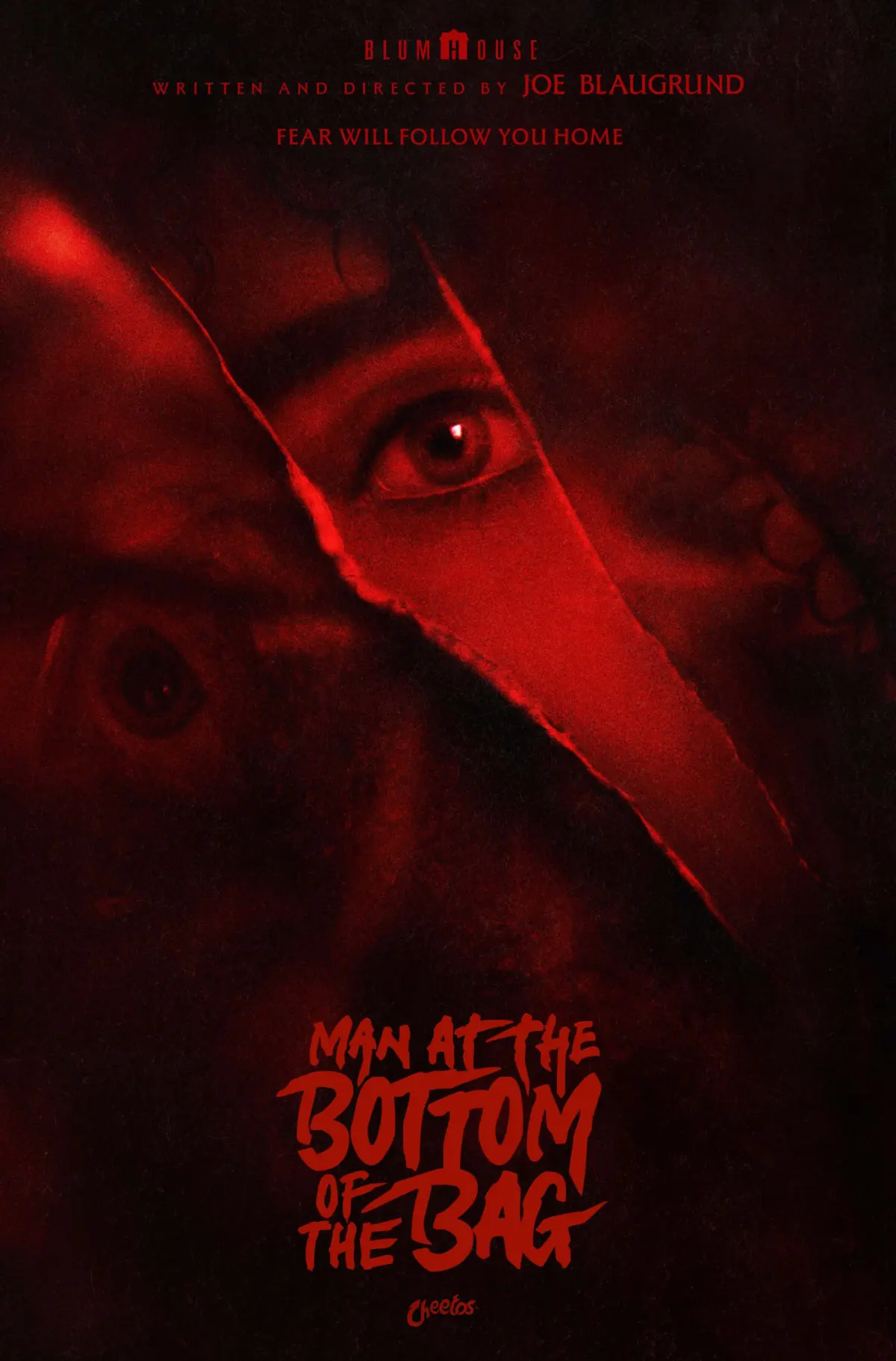
The intersection of snack marketing and horror cinema has reached a new peak with the release of the latest short film, Man at the Bottom of the Bag. A collaborative project between the powerhouse horror production studio Blumhouse and the iconic snack brand Cheetos, this short film serves as an extension of their ongoing "The Flavor of Fear" promotional campaign. Directed by Joe Blaugrund, the film utilizes the concept of "Cheetle"—the colloquial term for the orange dust left on one’s fingers after eating Cheetos—and recontextualizes it into a grotesque, supernatural element that anchors a narrative of urban dread.
The Narrative Framework and Production Details
The plot of Man at the Bottom of the Bag follows a character named Monica, portrayed by actress Farah Marwan. The story begins with a seemingly mundane premise: a woman ignores a stranger’s warning about the contents of her snack bag. As the narrative unfolds, the film pivots from a typical commercial setting into a psychological horror sequence. The antagonist, a creature credited as "Cheetle" and played by Brooks Ginnan, emerges as a manifestation of the snack’s residue, effectively weaponizing the brand’s signature aesthetic into a source of visceral discomfort.
The production team behind this short features a blend of talent from the independent horror and commercial advertising sectors. Alongside director Joe Blaugrund, the project was produced by Hunter D’Ancona, with cinematography provided by Grace Gallagher. The visual identity of the piece, characterized by its unsettling production design by Eden Vanetek and an evocative score by Ian White, aims to elevate the material beyond a standard brand advertisement, aligning it more closely with the atmospheric style typical of Blumhouse’s feature-length horror library.
Chronology of the Flavor of Fear Campaign
This collaboration is not an isolated experiment but part of a strategic marketing timeline designed to leverage the Halloween season. The campaign began in earnest with the release of a preceding short, Bill’s Favorite Snack, which introduced the concept of turning the mundane routines of office life into a supernatural experience.
The strategy focuses on the promotion of Cheetos’ "Sweet Phantom Heat" flavored Puffs. By integrating the physical characteristics of the product—specifically its heat and tingling sensations—into the horror narrative, the brand attempts to create a multi-sensory association between the snack and the viewing experience. The campaign is hosted on the dedicated "Flavor of Fear" microsite, which serves as a central hub for all creative assets, behind-the-scenes content, and consumer-facing promotional materials.
![Blumhouse Makes Cheetos Dust Horrifying in ‘Man at the Bottom of the Bag’ [Watch]](https://www.dreadcentral.com/wp-content/uploads/2026/10/Screenshot-2026-10-15-at-2.42.57-PM-1600x900.png)
The Evolution of Branded Entertainment
The partnership between Blumhouse and Cheetos reflects a broader trend in the entertainment industry: the shift toward "prestige branded content." In recent years, major consumer goods companies have moved away from traditional 30-second television spots in favor of longer-form narratives that prioritize engagement over direct product demonstration.
According to industry analysts, this shift is driven by a desire to reach younger demographics, particularly Gen Z and Millennials, who demonstrate a high propensity for consuming streaming content while showing a marked aversion to traditional, interruptive advertising. By producing high-quality horror shorts, companies like Cheetos can secure "earned media"—the organic spread of the content through social media shares and editorial coverage—rather than relying solely on paid impressions.
Blumhouse, under the leadership of Jason Blum, has historically focused on micro-budget horror films with high returns on investment. By extending this model to brand partnerships, the studio maintains its reputation for genre-defining content while diversifying its revenue streams. This approach allows the studio to test new talent—such as directors like Blaugrund—in a controlled environment while providing the brand with a "cool factor" that traditional marketing agencies often struggle to manufacture.
Implications of Sensory-Based Marketing
The use of sensory descriptions—such as the "tingling, fizzing, and numbing sensations" associated with the Sweet Phantom Heat flavor—within the narrative structure of the short films represents a sophisticated approach to sensory marketing. By linking these physical sensations to a narrative arc involving a demon, the marketing team is employing a technique known as "experiential anchoring."
This technique aims to make the consumer recall the specific feeling of the snack whenever they encounter the brand’s imagery. Furthermore, the decision to use a character like "Cheetle" to represent the residual mess of snacking highlights a self-aware brand strategy. Instead of portraying the snack as a perfect, clean experience, the film embraces the "messy" reality of eating Cheetos, turning a potential negative—stained fingers—into a central, memorable plot device.
Critical and Commercial Reception
While the short is a marketing tool, the critical reception within the horror community has been largely positive. Enthusiasts of the genre often appreciate when corporate entities allow creative teams the freedom to explore darker, more unconventional aesthetics. The film’s ability to generate "dread" rather than mere shock is being cited as a hallmark of the Blumhouse influence.
![Blumhouse Makes Cheetos Dust Horrifying in ‘Man at the Bottom of the Bag’ [Watch]](https://www.dreadcentral.com/cdn-cgi/image/width=788%2Cheight=444%2Cfit=crop%2Cquality=65%2Cgravity=auto%2Cmetadata=none%2Cformat=auto%2Conerror=redirect/wp-content/uploads/2026/10/Screenshot-2026-10-15-at-2.42.57-PM.png)
From a commercial standpoint, the metrics of success for such a campaign are typically measured in terms of total views, audience retention rates, and the subsequent "social sentiment" toward the brand. Early indicators from the "Flavor of Fear" microsite suggest that the campaign is effectively driving traffic to the brand’s digital ecosystem. The ability to integrate a product seamlessly into a genre film—without the jarring "sales pitch" style of mid-century advertising—is considered a significant victory for the digital marketing teams involved.
Future Trajectory of the Collaboration
The success of these two initial shorts suggests that there is room for further expansion within the "Flavor of Fear" universe. As the holiday season approaches, the demand for seasonal content provides an ideal window for the release of further installments. Industry observers suggest that should the partnership continue, it may lead to even more immersive experiences, such as interactive digital games or augmented reality (AR) filters that allow viewers to participate in the horror narratives themselves.
The partnership also raises questions about the future of film financing. As traditional box office returns face fluctuations, the rise of branded entertainment could become a more permanent fixture of the film industry’s landscape. If a major studio can subsidize its creative development through partnerships with household brands, it provides a buffer against the inherent risks of theatrical releases.
Final Considerations
Man at the Bottom of the Bag serves as a case study for modern brand integration. It highlights the importance of matching the brand’s identity with the creative studio’s established aesthetic. Blumhouse’s reputation for grit and psychological tension provides the necessary legitimacy for a snack commercial to be taken seriously as "horror."
For consumers, the film is a brief, effective distraction that succeeds because it understands its audience. By focusing on the visceral experience of the product and wrapping it in a well-crafted, albeit short, horror narrative, the creators have managed to bypass the usual cynicism associated with sponsored content. As we look toward future developments, the primary takeaway is clear: the integration of high-concept storytelling into the marketing of everyday products is not just a passing trend, but a calculated evolution of the advertising industry. Whether the audience leaves the experience wanting to buy a bag of Cheetos or, conversely, feeling a bit more cautious about what they might find at the bottom of their snacks, the objective of brand recognition has been successfully achieved.