The global film community mourns the loss of Sam Neill, the iconic actor whose illustrious career spanned over five decades, crossing international borders, box-office blockbusters, and avant-garde psychological horror. Neill passed away at the age of 78, leaving behind a cinematic footprint defined by a rare duality: he possessed the commanding presence of an everyman action hero and the theatrical depth required to inhabit deeply unhinged antagonists.
As tributes pour in from collaborators, filmmakers, and fans worldwide, critics and historians are re-examining a filmography that defies easy categorization. From saving dinosaurs from prehistoric extinction to battling cosmic entities and anchoring art-house masterworks, Neill’s career reflects an actor who consistently prioritized substance, curiosity, and artistic integrity over traditional Hollywood vanity.
Main Facts and the Enduring Scope of a Legendary Career
Sam Neill’s death marks the conclusion of a prolific era in modern cinema. Born in Northern Ireland and raised in New Zealand, Neill established himself as a global cinematic fixture through a series of critically acclaimed performances that bridged the gap between independent arthouse cinema and high-concept studio blockbusters.
His filmography features collaborations with some of the most revered directors in cinema history, including Steven Spielberg, John Carpenter, Andrzej Żuławski, Jane Campion, and Fred Schepisi. Whether portraying pragmatic scientists, conflicted spies, charming rogues, or manifestations of pure malevolence, Neill brought a grounded, humane vulnerability to every role.

Unlike many contemporaries who chased perpetual leading-man status in franchise-driven spectacles, Neill maintained a refreshing humility. He balanced massive commercial undertakings—such as his defining role as Dr. Alan Grant in Steven Spielberg’s 1993 masterpiece Jurassic Park—with eccentric, low-budget horror, psychological dramas, and environmental activism. His off-screen persona as a dedicated organic winemaker, farmer, and philanthropist further cemented his reputation as one of the industry’s universally respected figures.
Chronology of a Transnational Film Career
Neill’s journey into the upper echelons of international cinema began in the late 1970s and accelerated rapidly through the 1980s and 1990s.
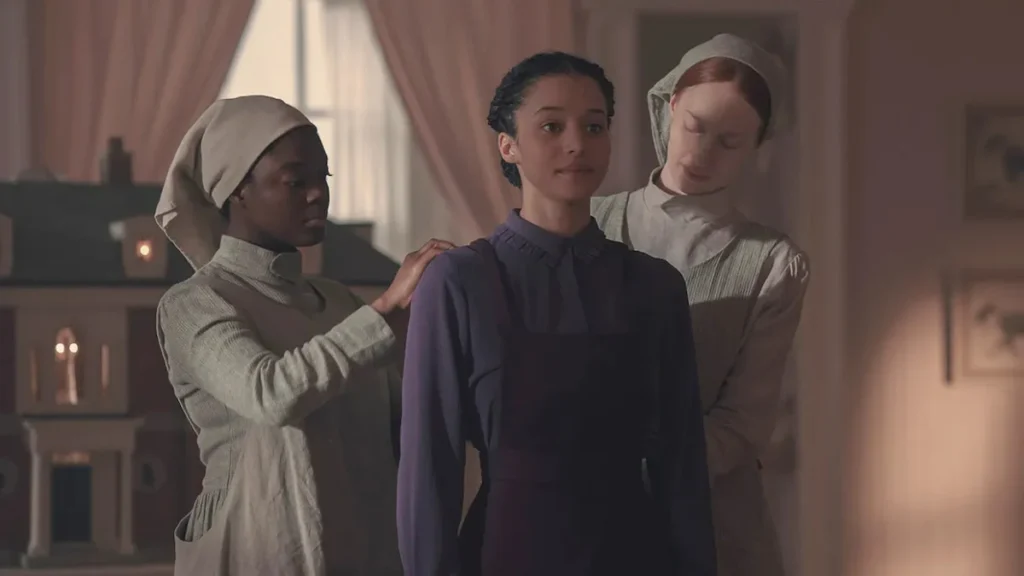
In 1979, Neill starred in Gillian Armstrong’s celebrated Australian arthouse drama My Brilliant Career alongside Judy Davis. His performance as a charming, wealthy suitor caught the attention of international casting directors, most notably legendary actor James Mason. Mason recommended Neill to the producers of The Omen III: The Final Conflict, which marked Neill’s breakthrough American studio film in 1981, wherein he portrayed Damien Thorn, the adult Antichrist.
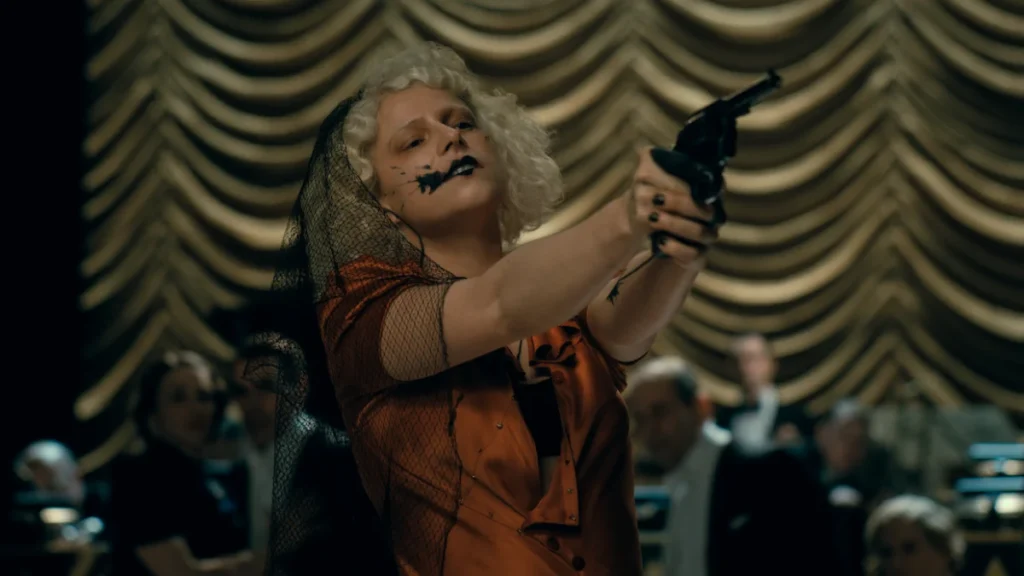
Also in 1981, Neill delivered one of his most intense and unsettling performances in Andrzej Żuławski’s psychological horror film Possession, starring opposite Isabelle Adjani. This blistering, visceral portrait of marital dissolution showcased Neill’s capacity to anchor chaotic, avant-garde narratives with psychological realism.
Throughout the mid-to-late 1980s, Neill’s star continued to rise. He showcased his dramatic range in Phillip Noyce’s tense maritime survival thriller Dead Calm (1988) opposite a young Nicole Kidman, and received critical acclaim for his harrowing work in Fred Schepisi’s A Cry in the Dark (1988), starring alongside Meryl Streep.

In 1991, an alternate chapter of his career nearly unfolded when he tested for the role of James Bond in The Living Daylights (1987). Although archival footage reveals a competent screen test, Neill openly admitted his heart was never in the role, later describing the audition process as deeply mortifying.
Instead, global superstardom arrived in 1993 with Jurassic Park. As paleontologist Dr. Alan Grant, Neill became the pragmatic, skeptical anchor of Spielberg’s technological marvel, a role he reprised in subsequent franchise entries, including 2001’s Jurassic Park III and 2022’s Jurassic World Dominion.
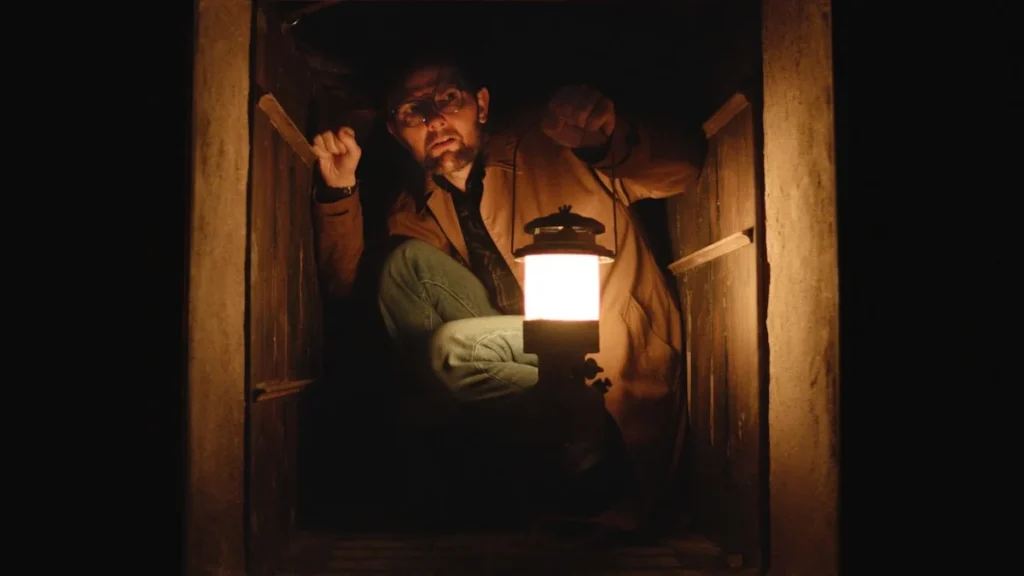
During the mid-to-late 1990s, Neill leaned into genre filmmaking, collaborating with John Carpenter on the Lovecraftian psychological horror film In the Mouth of Madness (1994) and starring in Paul W.S. Anderson’s sci-fi horror feature Event Horizon (1997). He also continued to champion local cinema, co-directing the 1995 documentary Cinema of Unease with Judy Rymer, which examined the psychological undercurrents and troubled history of New Zealand’s national film industry.
Supporting Data and Industry Recognition
Throughout his distinguished career, Neill’s contributions to the arts were widely recognized by international film institutions, critics’ associations, and audiences.
- Box Office Impact: As the face of Steven Spielberg’s Jurassic Park, Neill contributed heavily to a film that grossed over $1 billion globally across its initial theatrical runs and subsequent re-releases, setting an industry benchmark for computer-generated visual effects.
- Critical Acclaim: Neill accumulated numerous accolades, including multiple AFI (Australian Film Institute) Awards, Logie Awards, and nominations from major international bodies for his television and film work.
- Literary and Cultural Footprint: In 2023, Neill published his acclaimed memoir, Did I Ever Tell You This?, which offered candid reflections on his life, career, and private struggles.
- Agricultural Endeavors: Outside of film, Neill’s commitment to sustainable land management found expression through Two Paddocks, his celebrated organic wine estate in Central Otago, New Zealand, which he managed for decades.
Official Responses and Tributes from Collaborators
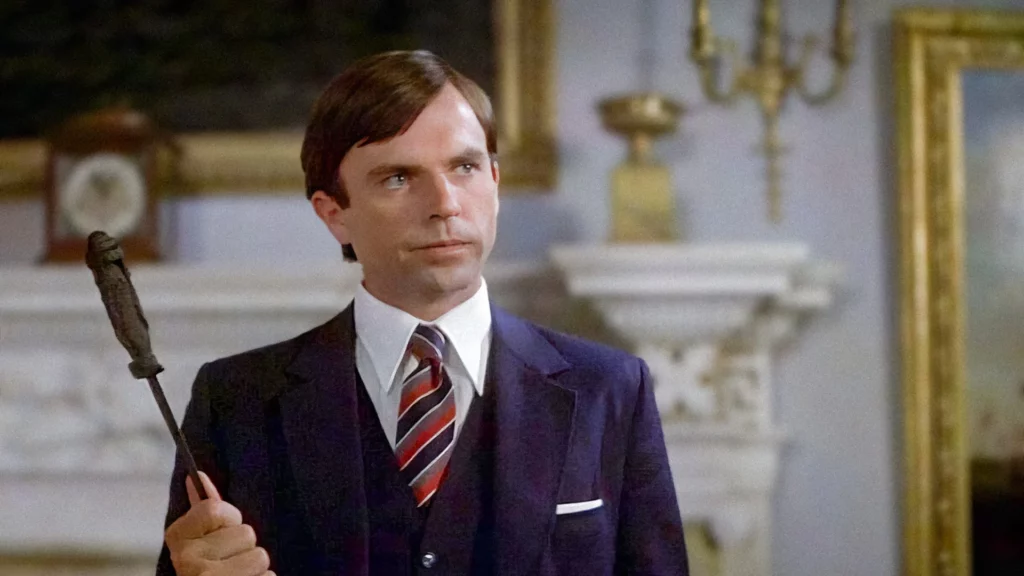
The entertainment industry responded to Neill’s passing with profound grief and deep admiration for his legacy as both a craftsman and a colleague.
Director John Carpenter, who directed Neill in In the Mouth of Madness, shared a heartfelt tribute on social media, stating, “I’m heartbroken to hear about Sam. We made two movies together, and every day on set was a masterclass in collaboration, humor, and professionalism. The world has lost a remarkable actor, father, farmer, and friend.”
Gillian Armstrong, who directed Neill in My Brilliant Career, praised his innate ability to connect with audiences and co-stars alike, noting his effortless charm and dedication to character development. Colleagues across generations frequently highlighted Neill’s exceptional capacity to elevate his female co-stars—including Meryl Streep, Holly Hunter, Laura Dern, and Isabelle Adjani—establishing a collaborative on-screen chemistry that became a hallmark of his career.
Broader Impact, Health Transparency, and Legacy
In his later years, Neill’s public profile evolved through his characteristic candor regarding his health. Following a diagnosis of stage-three angioimmunoblastic T-cell lymphoma in 2022, Neill underwent successful treatment while remaining remarkably transparent with the public. Rather than retreating from the public eye, he used his platform to advocate for medical research, maintain his engagement with fans through his digital channels, and continue working on select film and television projects.
“I’m not afraid of dying,” Neill told the BBC in 2023. “What I don’t want to do is to stop living, because I really enjoy living.”
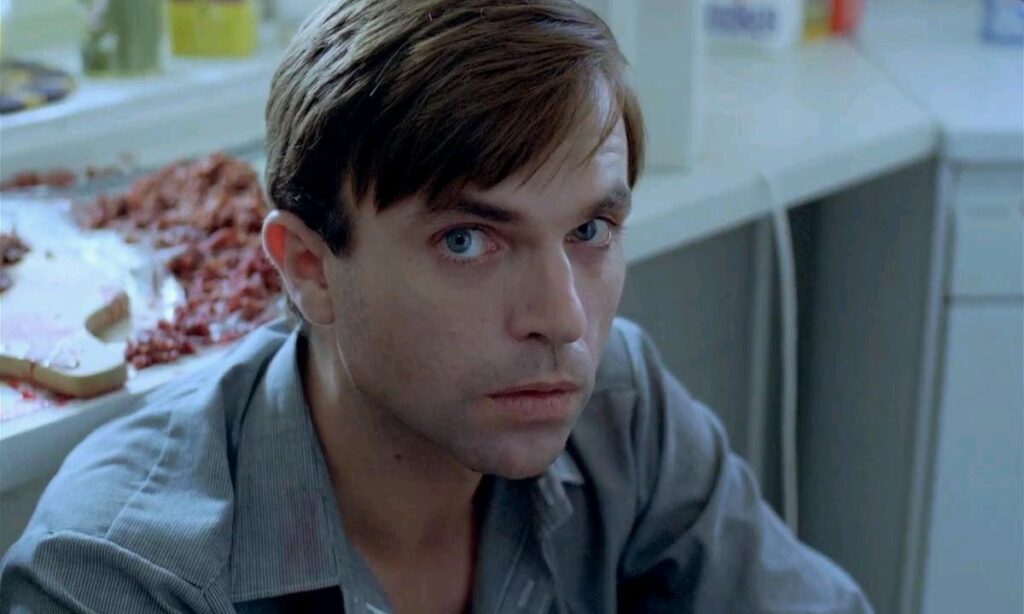
The implications of Sam Neill’s career extend far beyond his box-office receipts or his status as a recognizable face of 1990s cinema. He demonstrated that an actor could transition seamlessly between high-end prestige television, Hollywood blockbusters, and subversive, independent horror without losing artistic credibility.
As film historians analyze his contributions, Neill will be remembered not only for the iconic characters he brought to life—from the pragmatic paleontologist facing genetically engineered predators to the cynical investigator descending into cosmic madness—but for the warmth, wit, and grounded humanity he injected into the global cultural landscape.