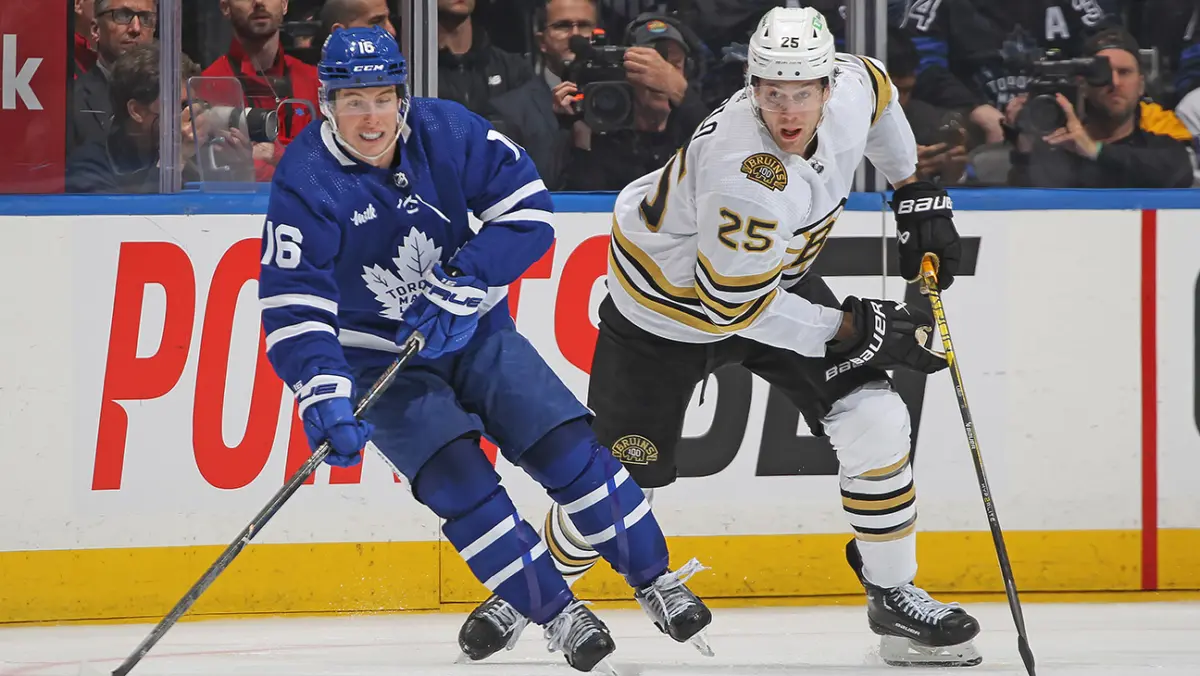
Rogers Communications has officially finalized the acquisition of the remaining 25 percent stake in Maple Leaf Sports & Entertainment (MLSE), marking a historic consolidation of power within the Canadian sports and media landscape. By purchasing the minority stake from Kilmer Sports for CAN$4.35 billion (approximately US$3.1 billion), the telecommunications giant has effectively moved to 100 percent ownership of one of the most valuable sports portfolios in North America. This transaction concludes a multi-year transition period for the Toronto-based powerhouse, positioning Rogers as the undisputed titan of the Canadian professional sports industry.
The portfolio now fully under the Rogers umbrella is immense, encompassing the Toronto Maple Leafs (NHL), the Toronto Raptors (NBA), Toronto FC (MLS), and the Toronto Argonauts (CFL). Furthermore, the deal grants Rogers total control over the physical infrastructure of Toronto’s entertainment core, including the Scotiabank Arena—the home of the Leafs and Raptors—and a significant partnership with Live Nation regarding concert and event programming.
A Chronology of Consolidation
The path to total ownership has been methodical. Rogers first entered the MLSE fold in 2012 as part of a joint venture with Bell Canada, each acquiring 37.5 percent of the company to prevent a foreign takeover. For over a decade, this duopoly defined the landscape of Canadian sports broadcasting and ownership.
However, the dynamics shifted significantly in 2024. Rogers moved to increase its influence by acquiring another 37.5 percent stake in MLSE for CAN$4.7 billion. This maneuver set the stage for the final exit of Kilmer Sports, the investment vehicle founded by Larry Tanenbaum, the longtime chairman of MLSE. Tanenbaum’s departure from the ownership structure represents the end of an era, as he had been the primary figure overseeing the growth of Toronto’s sports franchises into global brands.
The acquisition timeline is as follows:
- 2012: Rogers and Bell acquire a combined 75 percent of MLSE from the Ontario Teachers’ Pension Plan for approximately CAN$1.32 billion.
- 2024 (Early): Rogers acquires an additional 37.5 percent stake, significantly increasing its leverage within the company.
- 2024 (Late): Rogers finalizes the purchase of the final 25 percent stake from Kilmer Sports, achieving full 100 percent ownership.
The Return of Keith Pelley and Structural Realignment
Central to this transition is the strategic restructuring of Rogers’ executive leadership. Keith Pelley, who took the helm as president and CEO of MLSE earlier in 2024, will maintain his role leading the sports teams while simultaneously ascending to the presidency of Rogers Media.
Pelley’s return to the media arm of the company is significant. He previously served as the president of Rogers Media from 2010 to 2015, a period during which he oversaw the acquisition of the Toronto Blue Jays and negotiated the landmark $5.2 billion, 12-year broadcast rights deal with the National Hockey League. His departure in 2015 to lead the European Tour (now the DP World Tour) was viewed as a major loss for the organization. His return—following the complex merger of the PGA Tour and LIV Golf’s Saudi backers—brings a leader with a deep understanding of both the broadcasting and the "on-the-field" aspects of the business back to the center of the organization.
As he replaces the retiring Colette Watson, Pelley will be tasked with integrating the Blue Jays and the MLSE franchises into a unified "Rogers Sports" business unit. This creates a vertical integration model rarely seen in global sports, where the same corporation owns the teams, the stadiums, the production facilities, and the distribution networks (including the Sportsnet television network).
Supporting Data and Portfolio Scope
The scale of the assets now under Rogers’ total control is substantial. By integrating the Toronto Blue Jays—which Rogers has owned since 2000—with the MLSE stable, the company now controls the primary professional sports media rights in the most lucrative market in Canada.
The media portfolio Pelley will oversee is vast:
- Sportsnet: The primary regional and national sports broadcaster in Canada.
- Broadcast Infrastructure: Over 30 television networks and more than 40 radio stations across the country.
- Content Partnerships: Rogers maintains extensive licensing deals with global media giants such as NBCUniversal and Warner Bros. Discovery. This includes the Canadian distribution rights for lifestyle brands such as Bravo, Food Network, HGTV, and Discovery.
- Revenue Potential: With full ownership, Rogers is expected to capture 100 percent of the licensing, ticket sales, arena concessions, and, most importantly, the advertising revenue generated by these assets.
Official Responses and Corporate Strategy
Tony Staffieri, president and CEO of Rogers Communications, framed the acquisition as a long-term investment in fan experience and organizational efficiency. "We’re proud to bring these beloved teams together with the rest of Rogers to deliver more for fans, audiences, and customers," Staffieri stated in a press release following the deal’s closure. "We know how much these teams mean to fans and we are fully committed to investing to build championship-calibre teams, to enhancing the fan experience, and to delivering compelling experiences for our customers."
Market analysts suggest that this statement signals a departure from the "hands-off" ownership style of the previous joint-venture era. With full ownership, Rogers is expected to leverage its deep capital reserves to upgrade physical infrastructure and potentially aggressively pursue free agents and talent across all its franchises, particularly to satisfy a fanbase that has seen long droughts in championships for the Leafs and Raptors.
Implications for the Canadian Media and Sports Landscape
The move toward total ownership has broader implications for competition in the Canadian telecommunications and media space. By centralizing these assets, Rogers effectively insulates its sports content from competitors like Bell, which historically had a vested interest in the teams through the MLSE joint venture.
Impact on Sports Broadcasting
The consolidation may fundamentally alter how games are presented to the public. With the integration of Rogers Sports, the company is expected to streamline production costs and cross-promote its sports content across its vast network of radio and TV stations. This "ecosystem" approach makes Rogers’ media platforms essential for any advertiser looking to reach a mass Canadian audience interested in professional sports.
Infrastructure and Urban Development
The control of Scotiabank Arena is perhaps the most tangible aspect of the deal. As a major concert and event venue, the arena is a high-traffic hub. Rogers now has the ability to dictate the programming, scheduling, and digital integration of this space without needing to negotiate with minority partners. Industry observers expect Rogers to invest heavily in the technological modernization of the arena, potentially using it as a testbed for 5G-integrated stadium experiences, which would reinforce the company’s core telecommunications business.
The Challenge of Oversight
Despite the optimism from the corporate office, the sheer size of the portfolio presents management challenges. Balancing the high-stakes world of professional hockey, basketball, soccer, and football with the complexities of a 24/7 national media conglomerate requires a high degree of operational agility. Critics of the deal have pointed to the potential for a "corporate bottleneck," where the desire for high-margin media returns might occasionally conflict with the immediate needs of the sports franchises. However, the appointment of Pelley, who has successfully navigated both spheres in the past, is seen as an attempt to mitigate these risks.
Conclusion: A New Era
The full acquisition of MLSE by Rogers Communications marks the end of a long period of collaborative ownership and the beginning of a singular, corporate-driven strategy for Canadian professional sports. As Rogers moves to integrate these franchises into the Rogers Sports unit, the focus will shift to how effectively the company can translate its massive investment into on-ice and on-court success. For the fans, the implications are significant: a more centralized viewing experience, potentially improved venue technology, and a corporate mandate that prioritizes the bottom line of the Rogers ecosystem as much as the championship aspirations of the teams themselves. With the deal now signed, the transition period ends, and the pressure begins for the leadership to deliver on the promises of the new, unified sports entity.