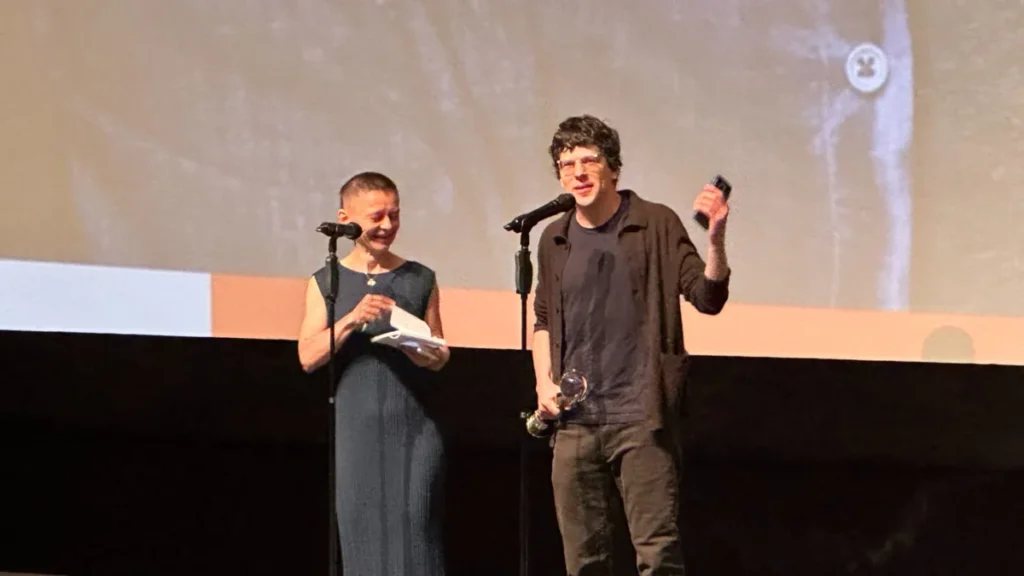
The Tallinn Black Nights Film Festival, widely known by its Estonian acronym PÖFF, officially commences its 30th anniversary edition this Friday, signaling a pivotal moment in the history of one of Northern Europe’s most influential cultural events. Running from November 6 to November 22, 2026, the milestone year introduces a significant transition in leadership, with Triin Tramberg stepping into the role of artistic director. This transition marks a new chapter for the festival, which has evolved from a local showcase into an A-list competitive festival recognized by the International Federation of Film Producers Associations (FIAPF).
A Legacy of Growth and Strategic Transition
Founded in 1997 by Tiina Lokk, the Tallinn Black Nights Film Festival began as a modest regional endeavor. Over the past three decades, it has methodically expanded its scope, establishing itself as a vital bridge between Eastern and Western European cinema. Tiina Lokk, who steered the festival through its formative years and its eventual elevation to international prestige, remains with the organization as CEO. Her shift in focus toward the long-term strategic and developmental trajectory of the festival allows the new artistic leadership to concentrate on the granular curation of the program.
Triin Tramberg’s appointment is the result of a long-standing tenure within the organization. Having served the festival for over 16 years, she has ascended through the ranks from a program assistant to a coordinator, and finally to her current leadership position. Her deep institutional knowledge is viewed by stakeholders as a guarantee of continuity, even as she introduces a fresh perspective to the festival’s programming philosophy.
The 30th Anniversary Program in Numbers
The scale of this year’s anniversary edition underscores the festival’s massive footprint in the global film circuit. The 2026 lineup features an expansive collection of 230 feature films and 259 short films, representing 87 distinct countries. When accounting for the festival’s sub-entities—the Just Film youth and children’s festival and the PÖFF Shorts competition—the sheer volume of content is staggering.
The programming team has curated a selection that includes 107 world premieres and 47 international premieres, positioning Tallinn as a critical marketplace for distributors and international buyers. This high concentration of premiere content is indicative of the festival’s status as a launchpad for independent cinema, particularly for emerging filmmakers from outside the traditional Hollywood studio system.
The Rise of Baltic Cinema: From Regional to Global
A central pillar of the 30th-anniversary program is the celebration of Baltic cinema. The festival has long served as a megaphone for Estonian, Latvian, and Lithuanian films, a commitment that has only intensified over time. Since the inception of the Baltic Film Competition in 2008, the festival has provided a dedicated space for regional narratives to reach international audiences. The addition of a Baltic documentary competition last year further solidified this focus.
Tramberg notes that the region is currently experiencing a "creative renaissance," marked by an uptick in sophisticated co-productions. The success of Latvian film Flow on the global stage, including recognition in the Oscar race, has served as a catalyst for renewed interest in the Baltic film industry. Industry analysts suggest that the region is effectively becoming the "new Scandinavia," offering a unique blend of high production value and distinct, independent storytelling. By prioritizing these narratives, the festival aims to dismantle regional barriers and provide Baltic filmmakers with the global visibility their work increasingly warrants.
Observational Leadership and Program Evolution
In her inaugural year as artistic director, Tramberg has adopted an "observational" approach to management. Rather than implementing radical structural overhauls, she emphasizes that the festival’s existing foundation is robust. She views her primary responsibility as a diagnostic one—identifying which established practices remain effective and where the festival can optimize its operations to better serve the changing needs of the global film industry.
This philosophy of "fresh eyes on a healthy ship" reflects a cautious but confident leadership style. Tramberg recognizes that the festival does not require a rescue mission, but rather a strategic evolution that adapts to the shifting habits of audiences and the changing demands of the digital media landscape.
Recurring Themes: Motherhood and the "35-Plus" Narrative
A thematic analysis of the 2026 selections reveals a pronounced focus on the complexity of human relationships, with motherhood emerging as a dominant motif. According to the programming team, films across various categories explore the often-contradictory tensions between maternal loyalty, personal independence, and familial responsibility.
Furthermore, Tramberg has identified a burgeoning sub-genre within the festival’s submissions: the coming-of-age story for women aged 35 and older. This shift represents a move away from the traditional focus on teenage or young adult development, instead centering on the mid-life reassessment of identity. This discovery highlights the festival’s role in reflecting broader societal shifts, where personal narratives of self-discovery are no longer restricted to the formative years of early adulthood.
Latin American Presence and International Reach
While Baltic cinema holds a place of pride, the festival maintains a global outlook, with this year’s program featuring a particularly strong influx of films from Latin America. Represented countries include Brazil, Argentina, Mexico, Peru, Ecuador, and the Dominican Republic.
The presence of these films is not merely a result of geographical quota-filling, but rather a reflection of the strength of the storytelling emerging from these regions. For the festival curators, the selection process remains rooted in the inherent quality and accessibility of the films themselves. The inclusion of these diverse stories serves a practical function for the festival as well, offering audiences a vibrant, thematic counterpoint to the cold, dark conditions of an Estonian November.
Future Implications and Economic Impact
The implications of the 30th-anniversary edition extend beyond the screen. As an A-list festival, PÖFF serves as a significant economic driver for Tallinn and the wider region, drawing international talent, media, and industry professionals to Estonia. The festival’s ability to foster co-productions and facilitate international distribution deals makes it a vital node in the global film economy.
Looking ahead, the festival aims to continue its trajectory as a key cultural ambassador. With the industry becoming increasingly decentralized, the importance of physical film festivals as hubs for networking and cultural exchange has arguably grown. Tramberg’s optimism regarding the future of regional cinema suggests that the festival will continue to act as a launchpad for talent that, like the creators of Flow, will eventually find widespread acclaim.
Conclusion: A Milestone for the Future
The 30th anniversary of the Tallinn Black Nights Film Festival is as much about the future as it is about the past. By honoring its roots in Baltic storytelling while expanding its global influence through strategic curation, the festival is positioning itself for a new era of growth. Under the leadership of Triin Tramberg, the festival enters its third decade with a clear commitment to supporting diverse, independent, and challenging cinema.
As the lights dim in the cinemas of Tallinn this Friday, the focus remains on the power of the medium to bridge gaps between cultures, ages, and geographies. Whether through the lens of a mother navigating the complexities of modern life or the debut of a visionary director from a far-flung corner of the world, PÖFF continues to prove that, even after 30 years, it remains a vital, evolving force in the global cinematic landscape.