The recent organizational restructuring at Netflix has sent shockwaves through the entertainment industry, culminating in the surprise departure of Chief Content Officer Bela Bajaria and the strategic appointment of former Fox executive Peter Rice. While Ted Sarandos had signaled a period of transformation for the streaming titan, the swiftness of the executive turnover—coupled with broader internal layoffs—indicates that Netflix is moving away from its long-standing "in-house" development culture toward a more traditional, high-risk, high-reward Hollywood studio model.
A Sudden Departure Amidst Global Operations
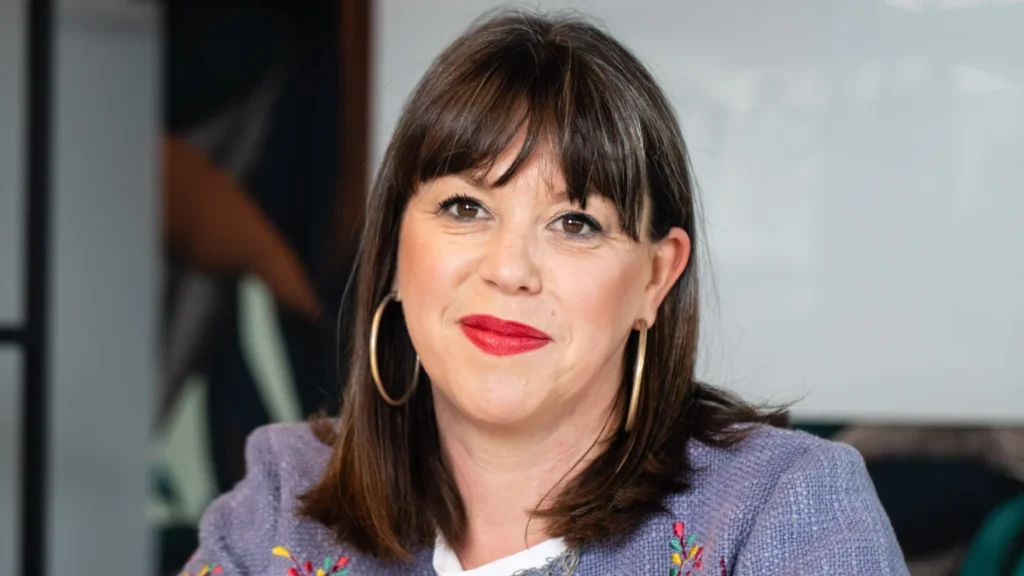
For Bela Bajaria, the ouster was as unexpected as it was abrupt. Just days prior to the announcement, Bajaria was in Cannes, representing Netflix at the MIPCOM marketplace and spearheading the unveiling of a significant media rights deal for the World Cup. Sources familiar with the internal situation indicate that Bajaria was actively participating in the company’s layoff process, personally informing staff of their terminations, unaware that she herself was on the list of impending departures.
The atmosphere within the Netflix offices, colloquially known as "The Grill," has been described by employees as "bumpy" and discombobulating. The dual news of Bajaria’s exit and the recruitment of Peter Rice has left many mid-level executives reeling, particularly as the company continues to navigate a turbulent period defined by a significant slide in stock value—down more than 45 percent over the last 12 months—and a tightening labor market for creative leadership.
The Anatomy of the Pivot: Chronology of Change
The seeds of this transition appear to have been sown throughout the current calendar year. Industry observers note that Netflix CEO Ted Sarandos has been in frequent, visible communication with HBO chief Casey Bloys. One notable meeting at Superba, a popular restaurant frequented by Netflix personnel, served as a clear signal that the company was looking for a new direction in its programming strategy.
"He did that so people could see it," one industry source noted regarding the public nature of the meetings. "It was a way of putting leadership on notice that the status quo was no longer sufficient."
The timeline of the current upheaval suggests a deliberate, if quiet, acceleration:
- Early 2024: Dan Lin is brought on to streamline the film division and impose genre-based management, moving away from budget-centric project development.
- Mid-2024: Netflix continues to grapple with audience attention fragmentation, struggling to compete with the sheer volume of content on platforms like YouTube.
- Current Week: A wave of layoffs hits, primarily impacting product, tech, legal, and HR departments.
- The Announcement: The internal reveal of Peter Rice’s arrival, which effectively marks the first time an "outsider" has been brought into the top tier of the executive org chart with a mandate to reshape the company’s core strategy.
The "Rice" Factor: A Shift in Corporate DNA
The decision to hire Peter Rice is perhaps the most significant departure from the company’s established ethos. Historically, Netflix has promoted from within, favoring leaders who cut their teeth in the company’s formative years—first in the DVD-by-mail business and then in the early days of streaming.
Rice represents a different breed: a traditional Hollywood executive with a deep history at major studios like 20th Century Fox and Disney. Analysts suggest that his presence signals that Netflix is no longer content to merely be a data-driven streaming service; it intends to function as a premier content house capable of producing the "big, buzzy" hits that drive global conversation.
Rich Greenfield, a partner at Lightshed Partners, noted in a recent market analysis that Rice’s history of risk-taking at legacy studios is exactly what Netflix requires to break through the current plateau. "I think that is why he is being brought in," Greenfield remarked. "To increase the amount of risk they are taking and to find breakout hits to help them accelerate engagement growth."
Film Division and the Fate of Dan Lin
The industry is now looking closely at the film division, led by Dan Lin, who recently conducted an urgent meeting with his team to address the corporate shakeup. The departure of his second-in-command, VP of film Doug Belgrad, indicates that the restructuring is not limited to the C-suite.
Lin was hired to rein in runaway production costs and reorganize the film group by genre—a move intended to provide better oversight and creative coherence. However, the efficacy of this strategy remains under scrutiny. While the division has produced popular titles, the company has struggled to maintain audience retention in a landscape where viewers are increasingly distracted. The lure of theatrical releases—exemplified by projects like Olivia Wilde’s The Invite—continues to pull top talent away from the direct-to-streaming model, putting further pressure on Netflix to compete for high-prestige content.
Broader Economic and Strategic Implications
Netflix’s reliance on equity-based compensation has magnified the pain felt by employees during this period of decline. With the company’s stock significantly lower than its peak, the "keeper test"—a hallmark of Netflix’s corporate culture that encourages the retention of only the highest performers—is being applied with newfound intensity.
The strategic pivot, however, is not just about cost-cutting; it is about franchise building. While Bajaria was instrumental in globalizing the platform—delivering massive hits like Squid Game—the company still lacks a deep bench of long-term, multi-generational intellectual property (IP) comparable to the libraries of Disney or Warner Bros.
Sarandos’ recent internal memo acknowledged this challenge, noting a desire to focus on the U.S. market’s ability to generate "outsize impact." This suggests that the company may be preparing to lean into franchise-style storytelling, potentially shifting resources away from a purely volume-based approach in favor of curated, high-impact hits that can serve as the bedrock of the service for years to come.
Looking Ahead: The Wall Street Briefing
The coming week will prove critical for the company’s public narrative. On Tuesday, Sarandos and CFO Spencer Neumann are scheduled to brief Wall Street analysts on the company’s quarterly earnings. This will be the first opportunity for the leadership team to explain how the current reorganization, the hiring of Rice, and the focus on "big, buzzy" hits align with their financial targets.
Furthermore, a companywide town hall scheduled for October 21 will provide employees with the chance to seek clarity on the new strategy. For many, the question remains: is this a temporary recalibration or the beginning of a fundamental transformation of Netflix into a studio that more closely resembles the legacy entities it once sought to disrupt?
As one executive working closely with the company summarized: "It’s a game of musical chairs, and the music has stopped." With the latest layoffs and the entry of new leadership, the industry is bracing for a new era of the streaming wars, where the primary objective is no longer just acquisition, but the difficult, costly task of sustaining long-term, cultural relevance in an increasingly saturated and distracted market. Netflix, having set the standard for the past decade, is now forced to adapt or risk falling behind in a race it once led by a wide margin.